Designing a space for a growing boy requires a delicate balance between functionality, durability, and imagination. It is not merely about choosing a color of paint or buying a bed; it is about curating an environment where he can sleep, study, play, and dream. As children transition from toddlers to teens, their tastes evolve rapidly, making flexible design choices essential for parents who want longevity out of their interior design efforts. By focusing on themes that can mature alongside the child, you can create a sanctuary that feels personal and exciting without requiring a complete renovation every two years.
The following guide explores some design concepts that blend style with practicality. These boys’ bedroom ideas range from adventurous outdoor themes to sleek, modern study spaces, ensuring there is a solution for every personality type and spatial requirement. Whether you are working with a sprawling master suite or a compact box room, these professional insights will help you maximize the potential of your floor plan while creating a room your son will be proud to call his own.
- 01 of 10
Industrial Loft Aesthetic

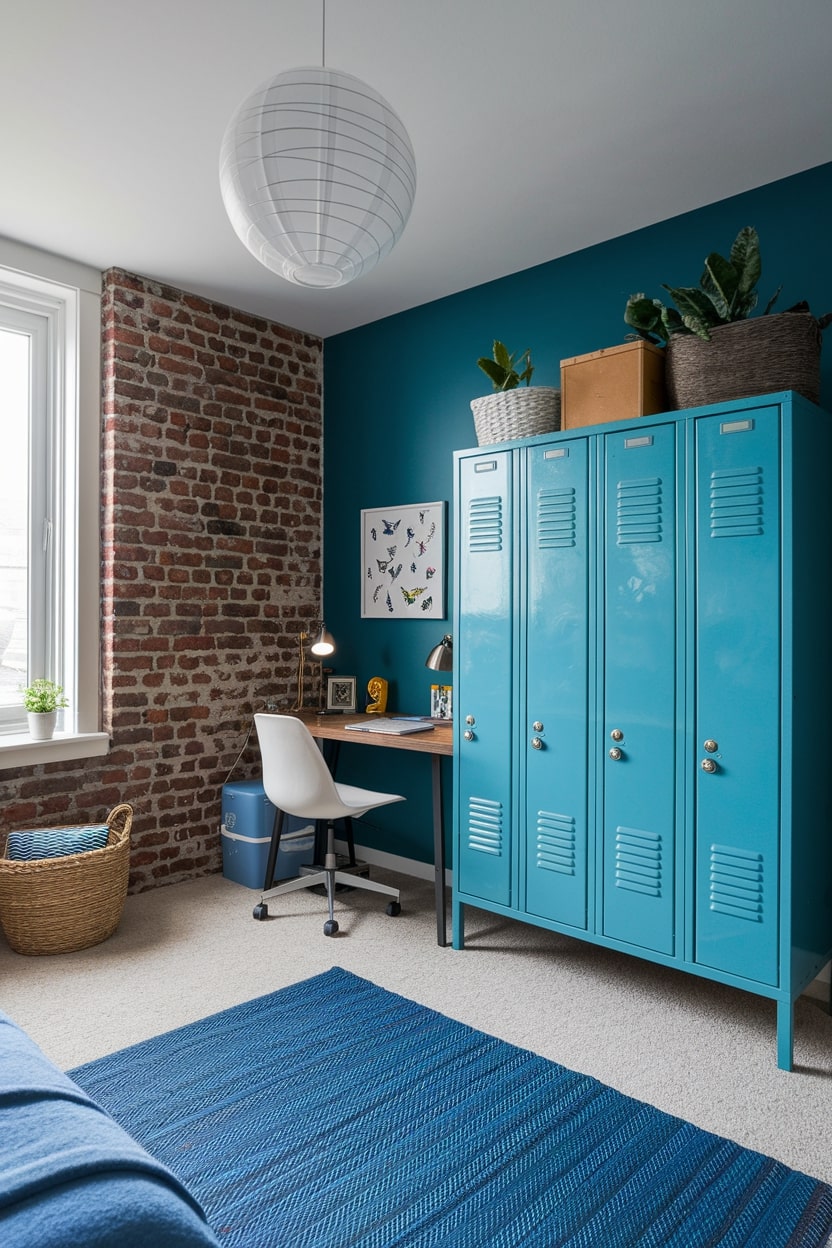
There is a timeless appeal in the industrial bedroom design that resonates particularly well with boys as they approach adolescence. The industrial style relies heavily on raw materials, such as exposed brick, metal shelving units, and reclaimed wood furniture. By stripping back the unnecessary frills and focusing on structural elements, you create a masculine, sturdy atmosphere that can easily withstand the wear and tear of active play. Iron bed frames and vintage locker-style cabinets not only look stylish but offer incredibly durable storage solutions for sports gear and heavy backpacks.
To implement this look without making the bedroom feel cold, introduce warmth through textiles like wool rugs or heavy canvas curtains. Lighting plays a crucial role here; look for pendant lights with metal cages or Edison bulbs to cement the factory-chic vibe. This aesthetic is particularly forgiving of clutter and mess, as the rugged nature of the design integrates slightly chaotic elements better than a pristine, polished room would.
- 02 of 10
Future Astronomer’s Ceiling
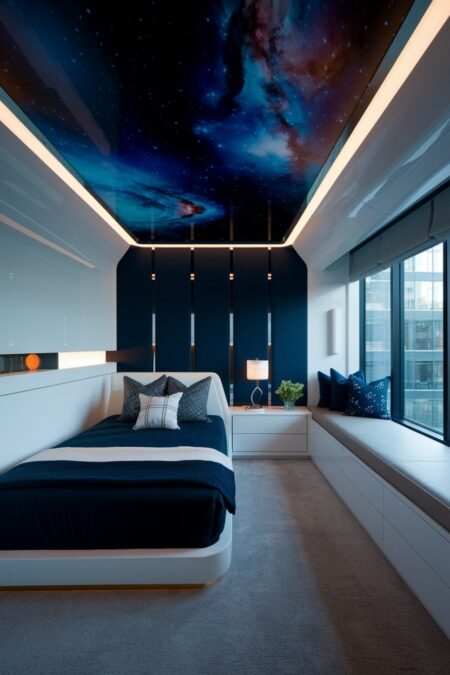
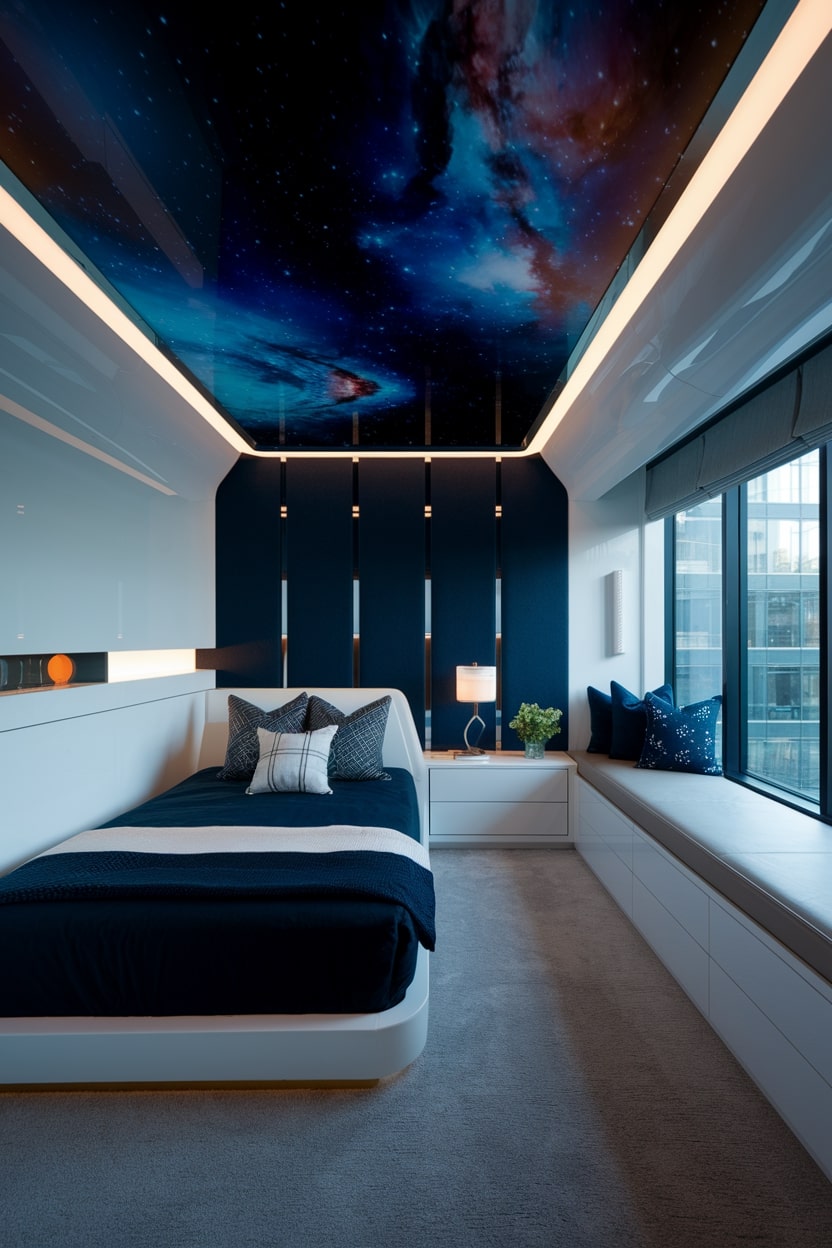
While glow-in-the-dark stars are a childhood staple, a modern take on the space theme involves a more sophisticated approach to the ceiling. Consider painting the fifth wall a deep, midnight blue or charcoal gray to create an infinite depth that anchors the room. You can elevate this further by installing fiber optic lighting kits that mimic real constellations, or simply using a high-quality projector that displays rotating galaxies for a calming bedtime ritual. This draws the eye upward and makes even small rooms feel significantly larger and more open.
Furnish the rest of the room with sleek, futuristic lines and metallic accents to complement the dark ceiling. High-gloss white furniture contrasts beautifully against the dark upper walls, creating a spaceship interior feel without being overly literal or cartoonish. Keep the bedding simple and geometric to maintain a modern edge, ensuring the boy’s bedroom feels like a scientific observatory rather than a nursery.
- 03 of 10
Interactive LEGO Wall
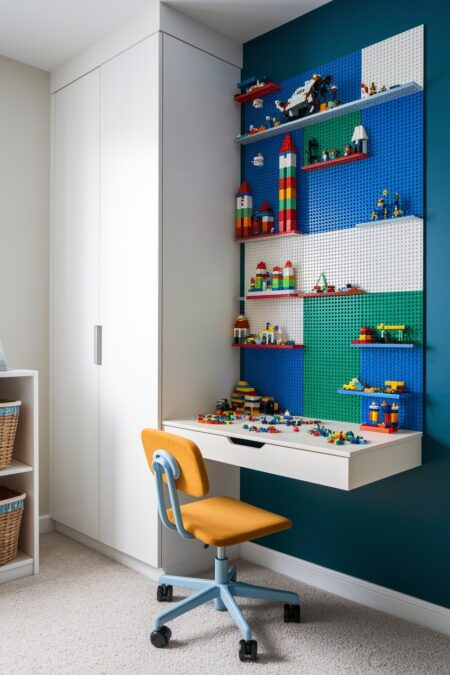
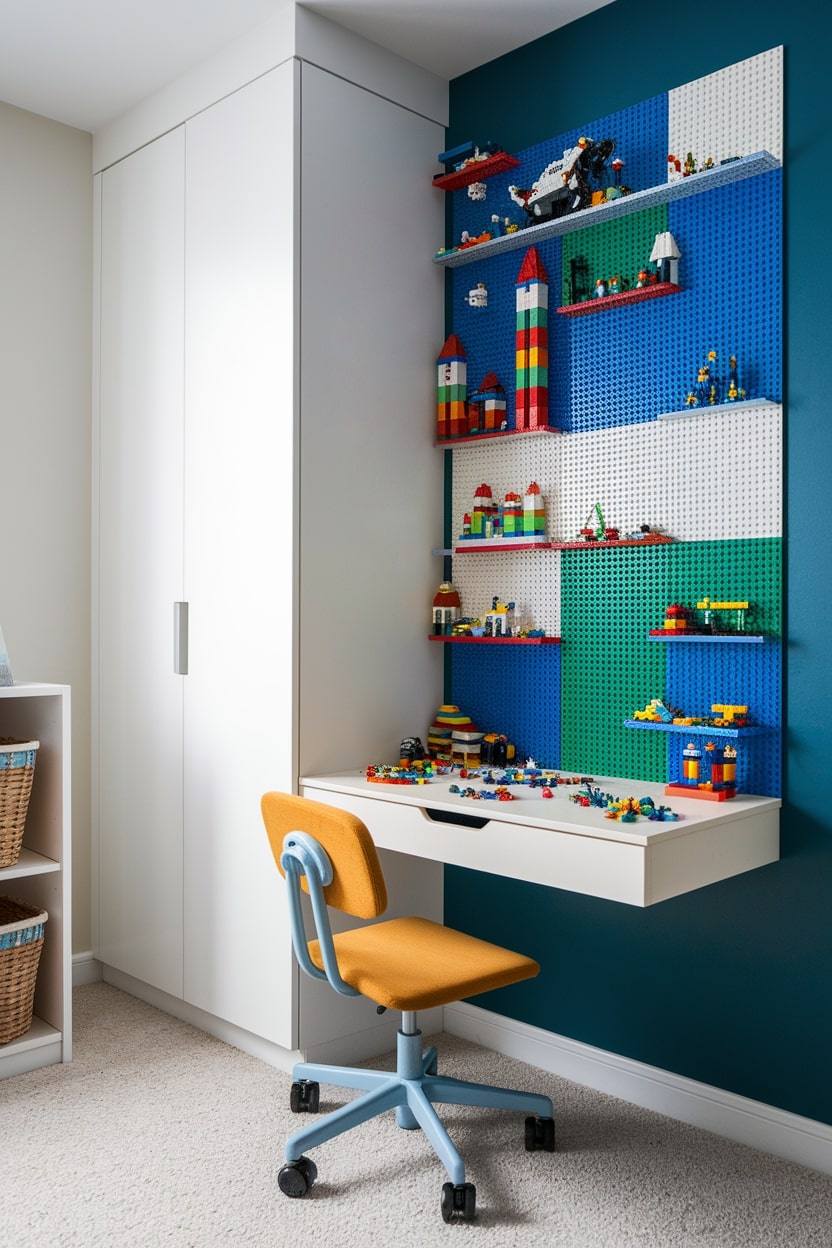
For the child who learns with his hands, turning vertical space into a play zone is a brilliant way to keep the floor clear. Mounting large LEGO baseplates directly onto a section of the wall or the side of a wardrobe transforms a static surface into an ever-changing canvas of creativity. This encourages vertical play, which is excellent for motor skills, and provides a designated place for creations that might otherwise end up broken underfoot. It effectively turns storage and display into an interactive art installation that changes daily.
Pair this feature with a dedicated workspace directly underneath or adjacent to the wall. A floating desk with shallow drawers is ideal for sorting bricks by color or size, keeping the chaos contained. By designating a specific zone for construction, you help compartmentalize the mess, making cleanup easier while validating his hobby as a central part of his bedroom’s design.
- 04 of 10
Vintage Explorer’s Map in the Boy’s Room
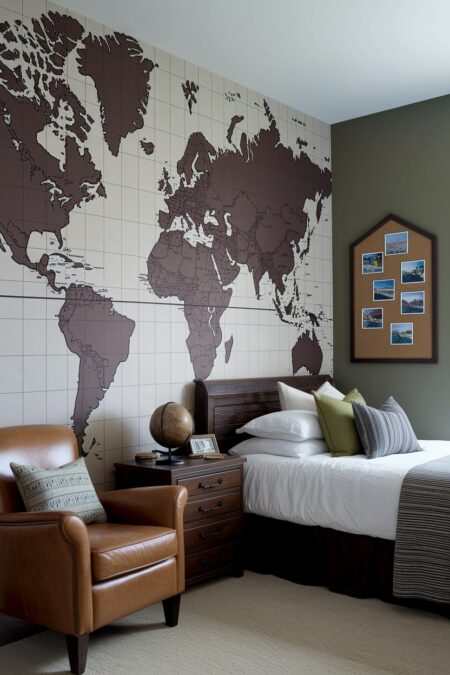
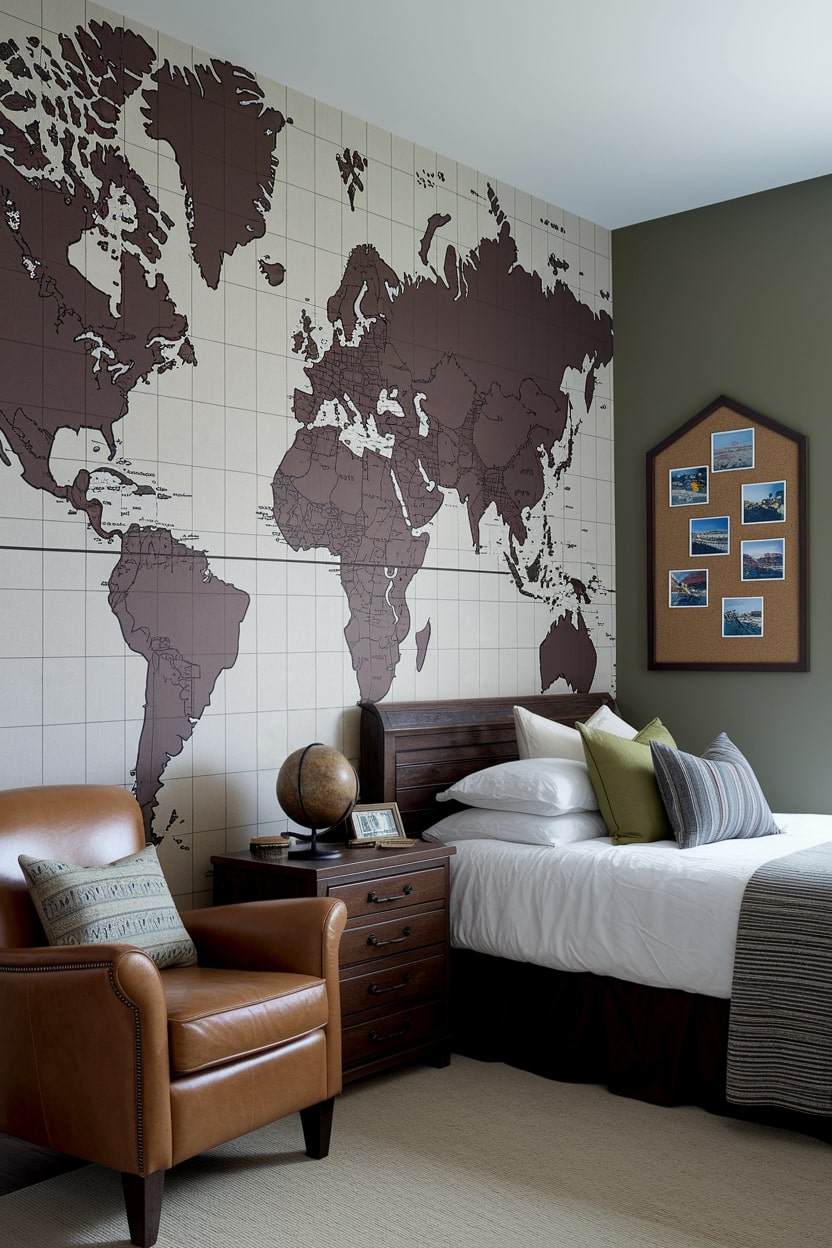
Fuel a sense of wanderlust by anchoring the room with a massive, vintage-style world map mural. Unlike standard educational posters, a wall-to-wall sepia or muted-tone map acts as sophisticated wallpaper that adds texture and intellectual interest to the space. This theme works exceptionally well with leather accents, wooden trunks for toy storage, and antique-style globes. It creates a studious yet adventurous atmosphere that is as appropriate for a seven-year-old playing pirate as it is for a seventeen-year-old studying geography.
Accessorize this theme with travel souvenirs, framed postcards, or even a corkboard where he can pin places he wants to visit. The color palette naturally leans towards earthy greens, browns, and creams, which are calming and conducive to sleep. This design choice is inherently ageless, requiring only minor updates to bedding and accessories as he grows from a boy into a young man.
- 05 of 10
Flexible Gallery Rail System or Picture Ledges
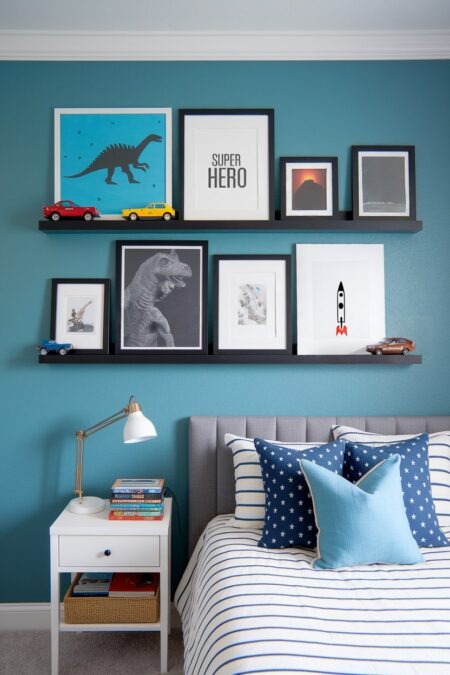
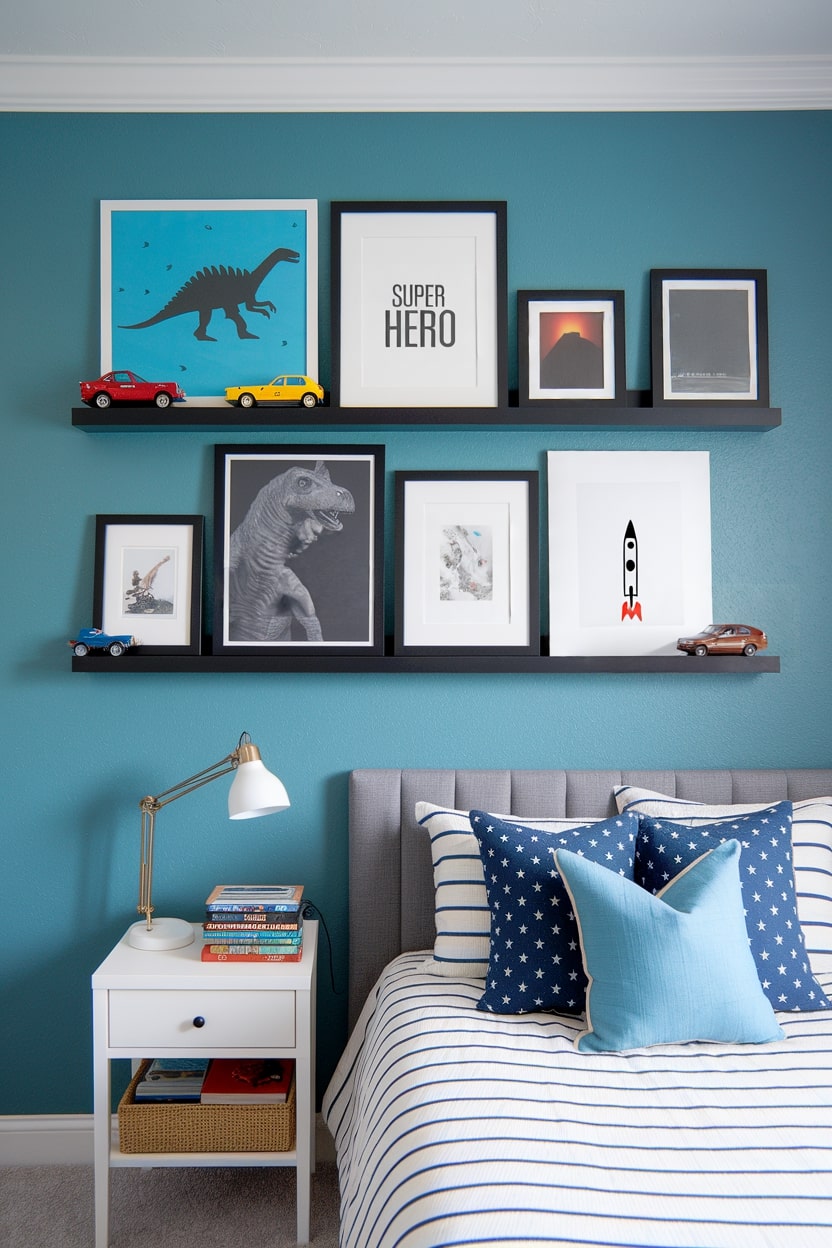
Children’s interests change with the wind, and their bedroom walls often suffer from tape damage and nail holes as a result. Installing picture ledges or a professional gallery rail system allows for a rotating display of art, posters, and achievements without damaging the paintwork. This approach treats a boy’s bedroom like a gallery where he is the curator, giving him the autonomy to swap out dinosaur drawings for band posters instantly and without parental supervision.
Layering frames of different sizes on these ledges creates a casual, effortless look that feels designed rather than cluttered. You can mix personal photos, framed jerseys, and 3D objects like action figures or model cars on the same shelf. This idea creates a focal point in the room that is 100% personalized and easily updated, ensuring the room reflects his current identity at any given moment.
- 06 of 10
The “Treehouse” Bunk Design
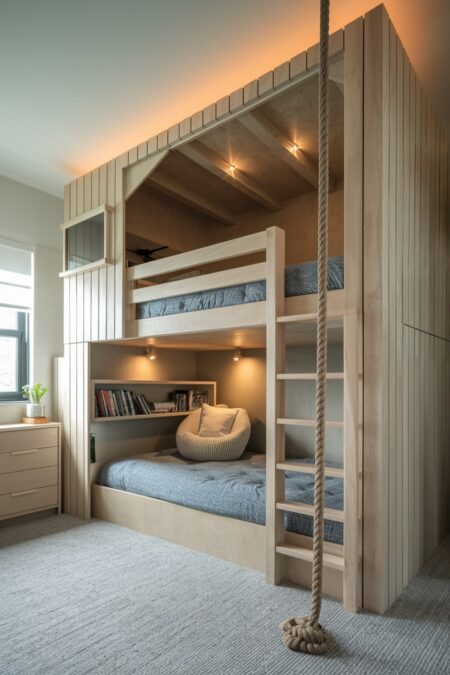
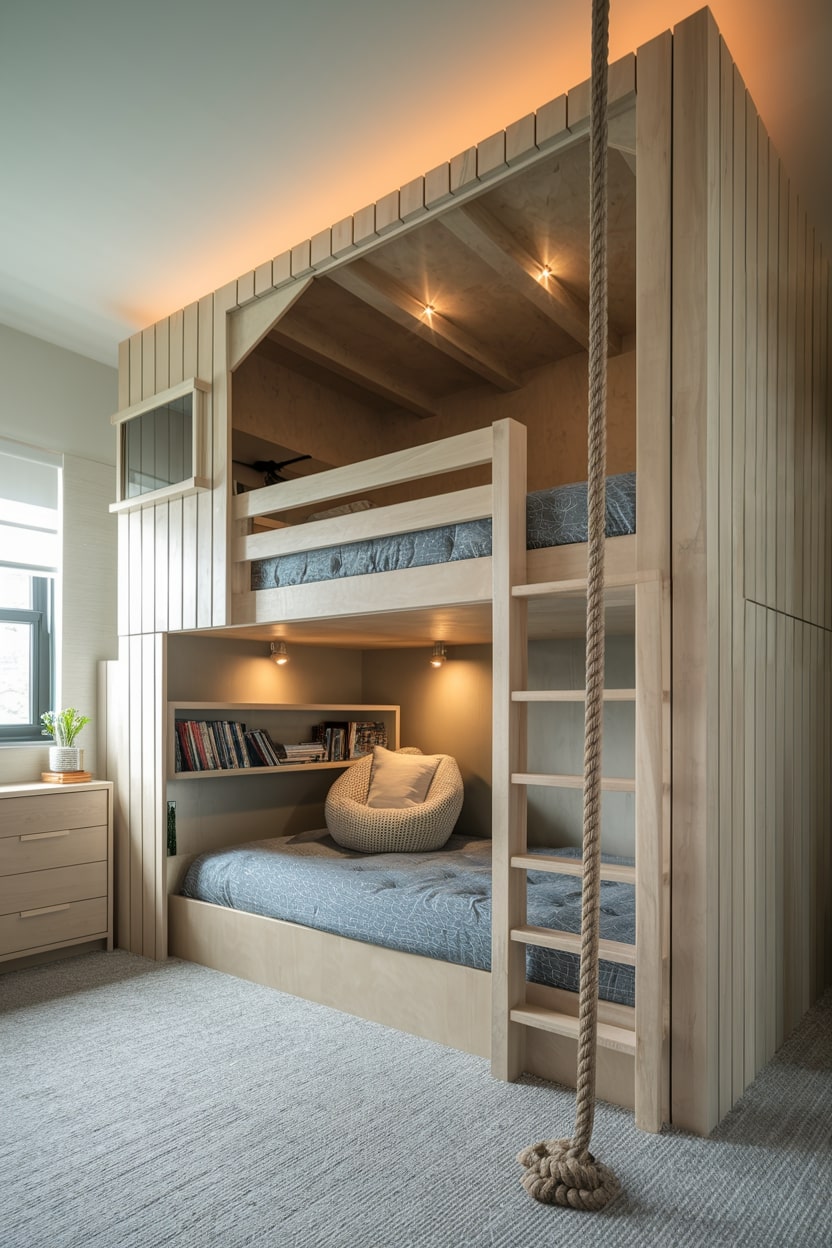
If floor space is at a premium, creating a loft or bunk bed structure that mimics a treehouse or fortress can revolutionize the room’s utility. By elevating the sleeping quarters, you reclaim the square footage underneath for a reading nook, a secondary mattress for sleepovers, or a hidden fort. Using natural wood finishes and incorporating elements like a climbing ladder or a heavy rope adds a physical element to the room that encourages movement and play within a safe environment.
To make the space underneath truly functional, ensure there is adequate lighting installed beneath the top bunk. A beanbag chair, a small bookshelf, and some soft recessed lighting can turn the under-bed area into a cozy retreat for reading or gaming. This architectural approach to furniture maximizes verticality and provides a sense of privacy and enclosure that many boys crave.
- 07 of 10
Modern Monochrome Palette

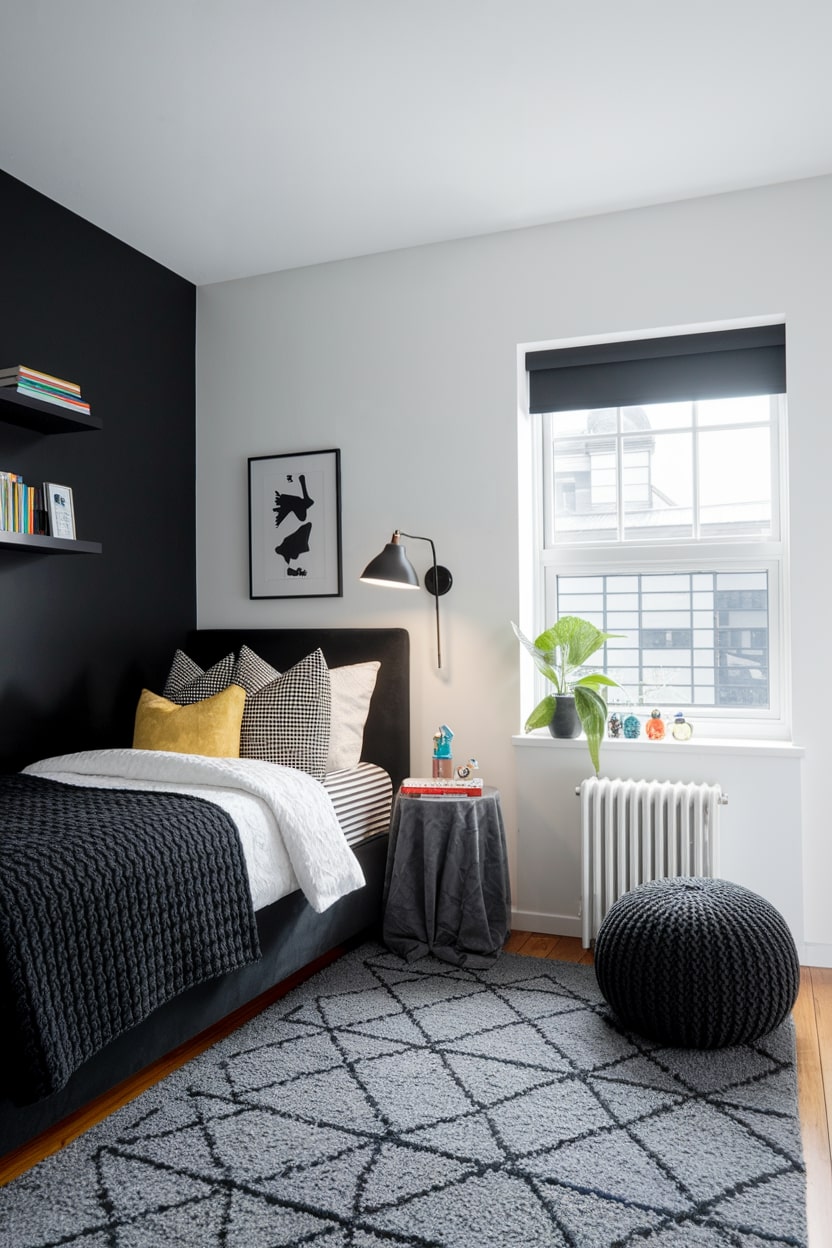
There is a misconception that boys’ rooms must be filled with loud primary colors; however, a strict monochrome palette of black, white, and gray can be incredibly striking and restful. The secret to making this work without it feeling sterile is texture. Layer chunky knit throws, matte black metal fixtures, and soft gray rugs to add depth and interest. This high-contrast look provides a neutral backdrop that makes any colorful toys, books, or clothes pop, turning his possessions into the accents.
A monochrome base is the ultimate money-saver for long-term decorating because you never have to repaint to match a new obsession. If he suddenly loves neon green or yellow, a few throw pillows and a poster are all you need to update the look. The underlying “bones” of the room remain sophisticated and chic, easily transitioning into a collegiate aesthetic when the time comes.
- 08 of 10
Dedicated Maker’s Station

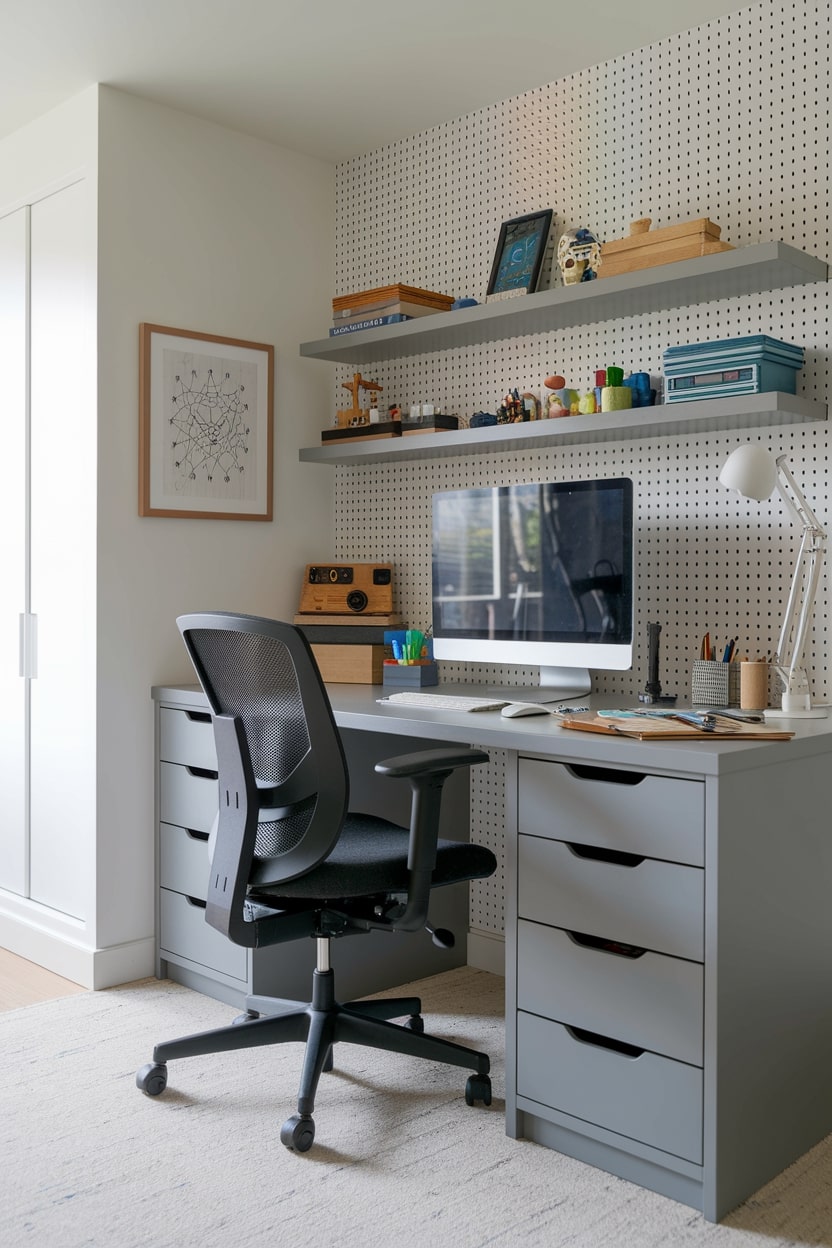
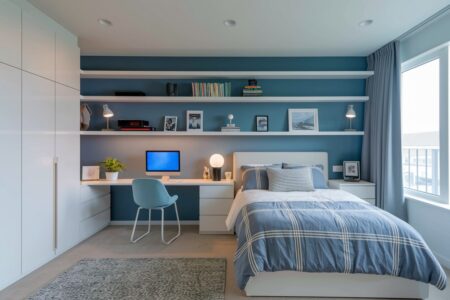
For the boy who loves science, crafting, or homework, a dedicated workstation is more than just a desk; it is a necessity. Look for a deep desk surface that can accommodate a computer monitor while leaving ample room for sketchpads or circuit boards. Wall-mounted pegboards are an essential addition here, offering customizable storage for headphones, scissors, cables, and tools, keeping the work surface clear and ready for the next project.
Lighting is paramount in a maker’s station. An adjustable architectural task lamp ensures he can focus on detailed work without eye strain. Consider using an ergonomic chair that offers proper support, as he will likely spend hours here. By prioritizing the ergonomics and functionality of his workspace, you encourage focus and provide a serious area for him to develop his passions.
- 09 of 10
Minimalist Sports Lounge
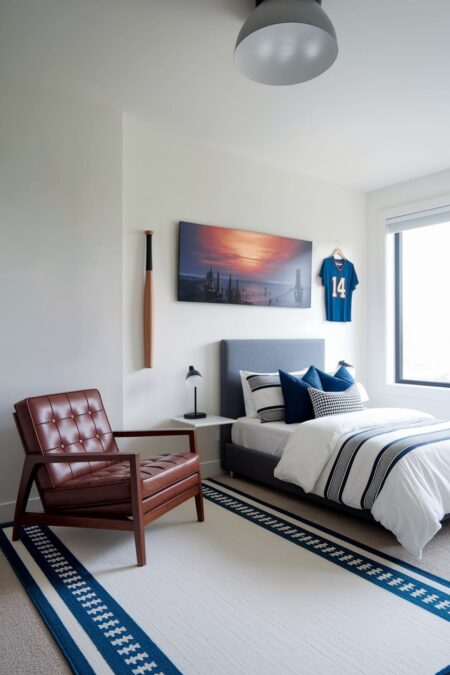
Avoid the chaotic look of traditional sports themes by adopting a “locker room lounge” approach. Instead of covering every inch of the wall with team logos, select vintage sports equipment (like an old leather baseball glove, a wooden cricket bat, or a signed jersey) and mount them as high-art pieces. Use colors associated with his favorite team as subtle accents in the rug or curtain borders rather than painting the entire room in aggressive team shades.
Incorporate seating that feels like a lounge, such as a sturdy leather armchair or a structured beanbag, to give him a place to relax that isn’t his bed. This approach celebrates his passion for athletics but interprets it through a designer’s lens. It respects the theme without letting it overwhelm the sensory balance of the boy’s bedroom.
- 10 of 10
Geometric Accent Wall
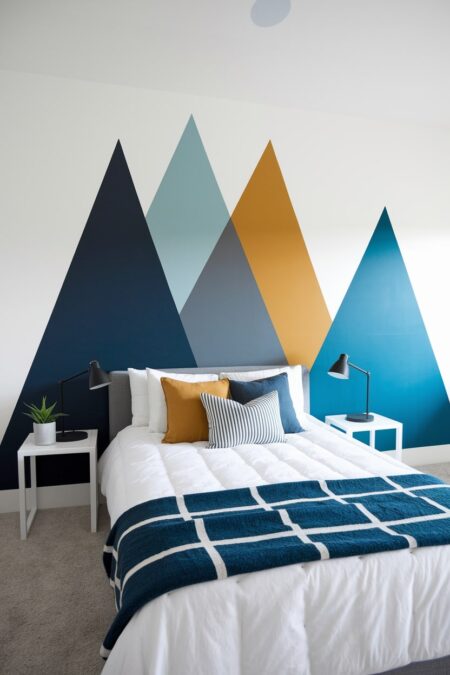
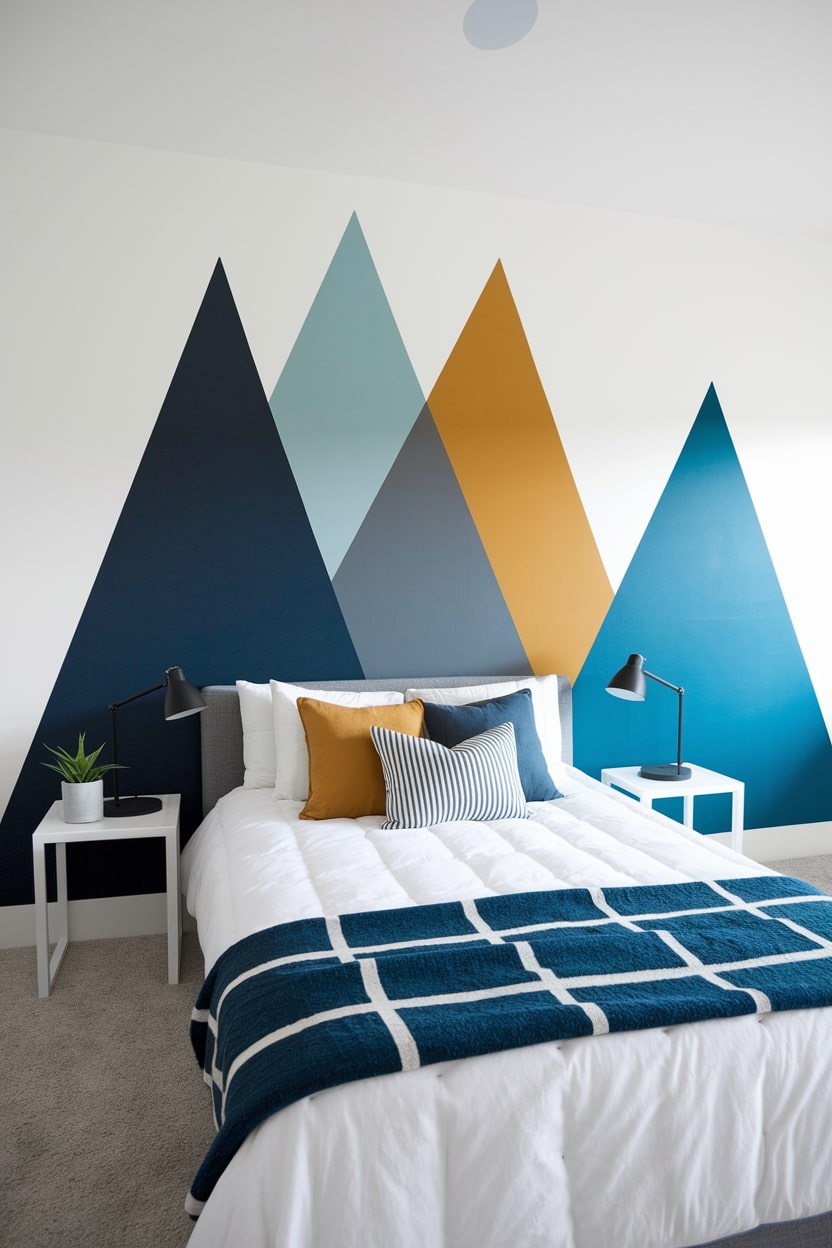
Paint is the most cost-effective tool in a designer’s arsenal, and a geometric accent wall packs a massive visual punch. Using painter’s tape to create sharp triangles, mountains, or abstract color blocks allows you to introduce bold colors in a controlled manner. This technique works particularly well behind the headboard, framing the bed and creating a focal point that anchors the furniture.
When choosing colors for a geometric wall, stick to a cohesive family of three or four shades. For example, blend navy, teal, and gray for a cool, aquatic vibe, or mustard, terracotta, and beige for a warm, desert feel. This design element adds dynamic energy to the room and disguises scuff marks better than a flat, single-color wall, making it a practical choice for high-traffic zones.