The dining room often serves as the heart of the home, transforming from a quiet space for morning coffee into a bustling hub for family gatherings and holiday feasts. However, without proper organization, this versatile area can quickly become a magnet for clutter, where fine china competes for space with daily mail and homework projects. Creating a serene and functional environment requires more than just a beautiful table; it demands strategic storage solutions that blend seamlessly with your interior design. Whether you are working with a cozy breakfast nook or a formal banquet hall, the right furniture and layout can elevate both the utility and the aesthetic of your hosting space.
Implementing effective dining room storage ideas is about balancing accessibility with style. You want your linens, serving platters, and stemware to be within easy reach when guests arrive, yet neatly tucked away to maintain a polished look during everyday life. From maximizing vertical wall space to selecting multi-purpose furniture pieces, there are numerous ways to enhance your room’s capacity without sacrificing its visual appeal. By curating a selection of smart storage options, you can maintain a clutter-free environment that invites relaxation and conversation, turning every meal into a sophisticated experience.
- 01 of 10
Maximize Vertical Space with Floor-to-Ceiling Built-Ins
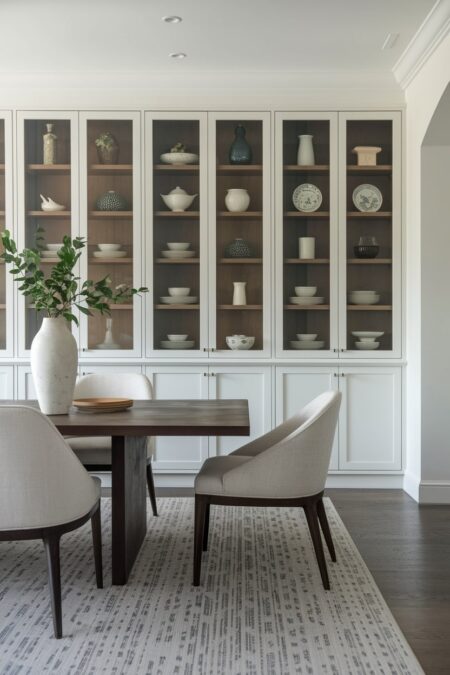
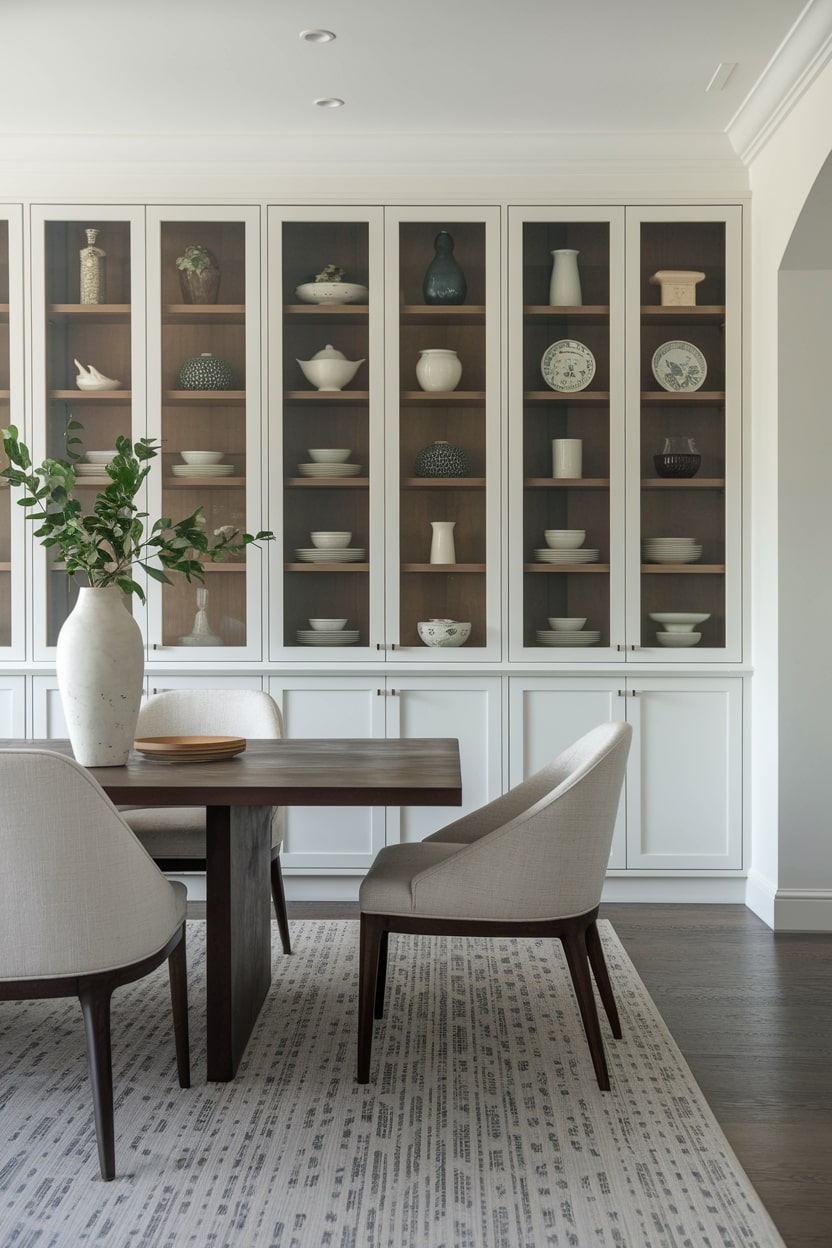
For homeowners looking to make a dramatic architectural statement while solving significant storage woes, floor-to-ceiling built-ins offer an unparalleled solution. These custom units utilize the full height of your dining room, drawing the eye upward and making the space feel grander and more cohesive. By dedicating an entire wall to cabinetry, you create a massive amount of storage for everything from seldom-used holiday serving dishes to your daily dinnerware sets. You can design these units to include a mix of solid doors at the bottom to hide heavier items and glass-fronted upper cabinets to display your favorite heirlooms, keeping them safe from dust while adding to the dining room’s decor.
To successfully implement this design, consider painting the cabinetry the same color as your walls for a monochromatic look that recedes into the background, preventing the room from feeling cramped. Alternatively, choosing a contrasting hue can turn the storage wall into a stunning focal point. Ensure you measure your tallest vases and widest platters before finalizing shelf heights, or opt for adjustable shelving systems within the cabinets to adapt to your changing collection over time. Lighting is also a crucial element here; installing soft LED strip lighting inside display sections can highlight your treasures and add a warm ambient glow to evening dinner parties.
- 02 of 10
Anchor the Dining Room with a Sideboard
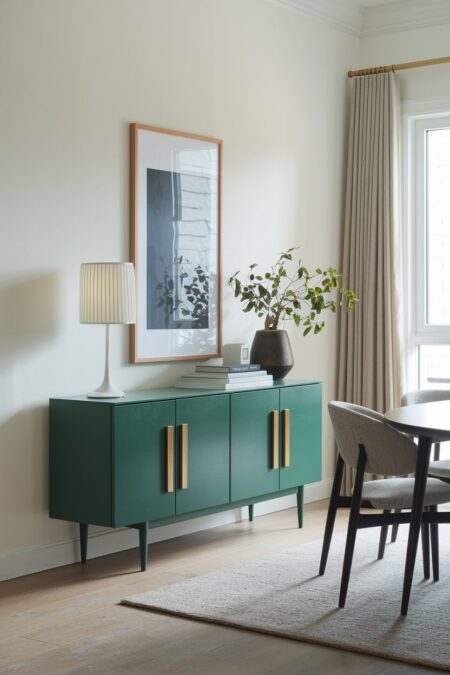
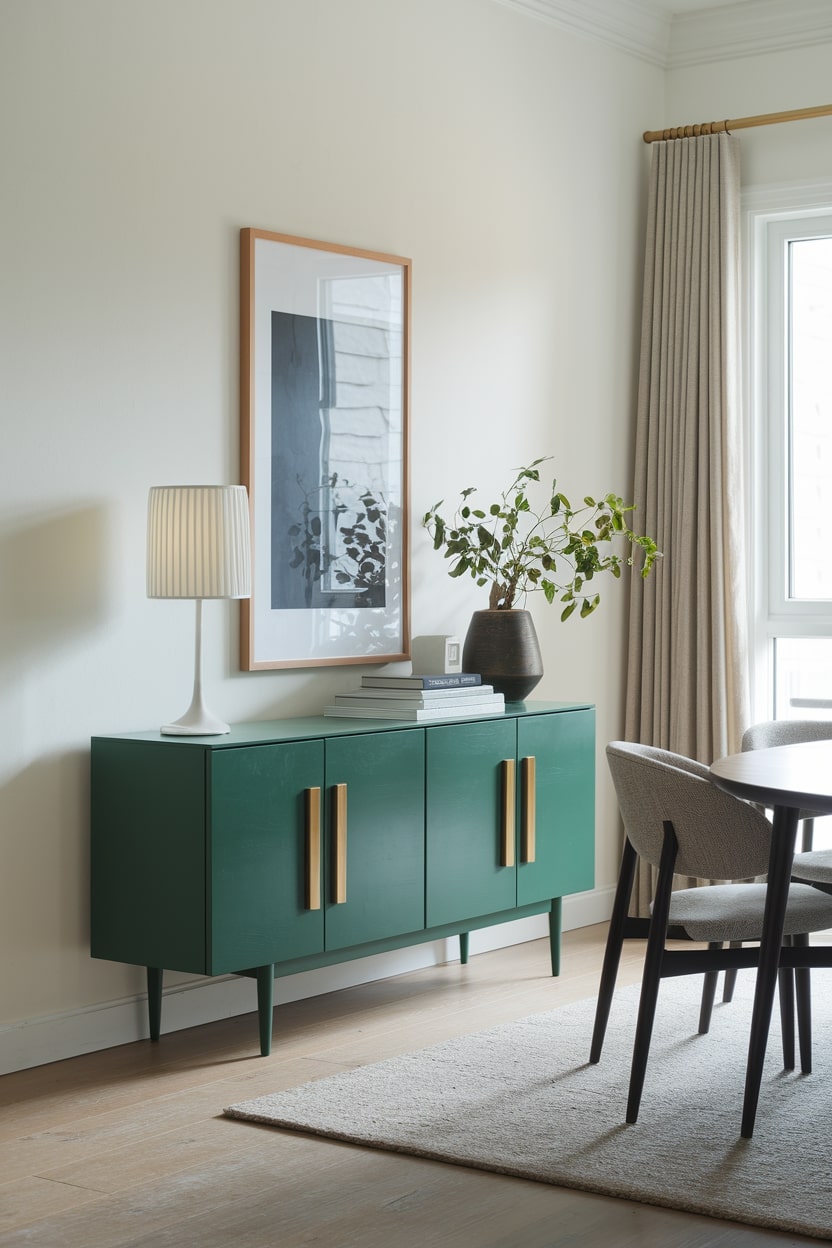
The sideboard, often referred to as a buffet or credenza, remains a staple in dining room design for good reason. Its low profile provides a substantial surface area for serving food during gatherings while offering deep drawers and cabinets underneath for essential storage. This piece of furniture is perfect for housing heavy stacks of plates, table runners, and napkin rings that can otherwise clutter your kitchen. A well-chosen sideboard anchors the room visually, bridging the gap between dining furniture and the surrounding architecture, and offers an opportunity to display art, lamps, or fresh flowers on its top surface to soften the utilitarian vibe.
When selecting a sideboard, pay close attention to the scale of your dining table and the overall flow of traffic in the room. A piece that is too deep might obstruct movement around the table, so aim for a slim profile if space is tight. Organization inside the unit is just as important as the exterior style; use drawer dividers to keep silverware and serving utensils separated and easy to find. For a modern touch, look for sideboards with floating designs or sleek metal legs which increase the perception of floor space, making the room appear larger and more open.
- 03 of 10
Create an Airy Display with Floating Shelves
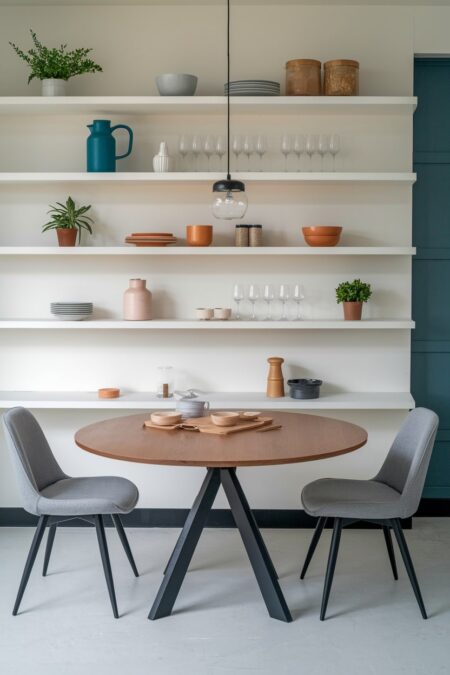
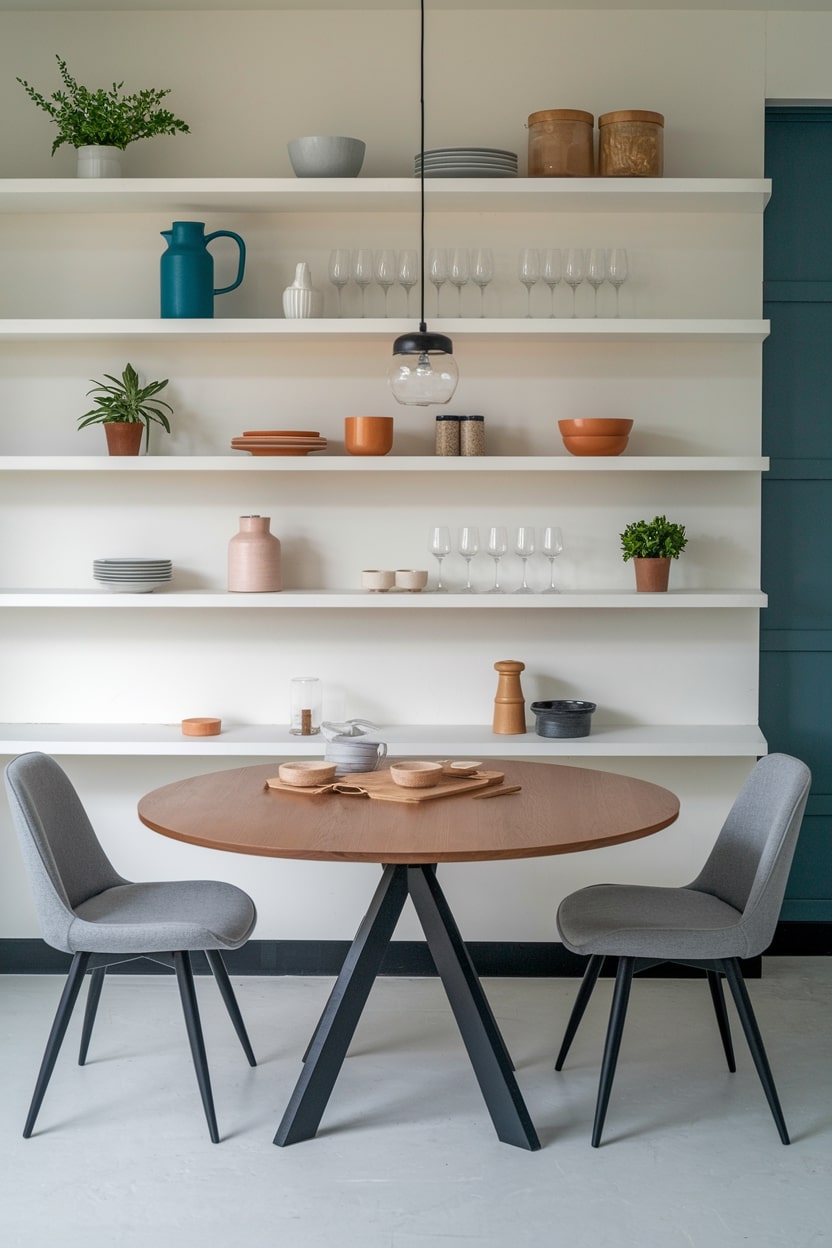
Floating shelves are an excellent alternative to bulky furniture, particularly in smaller dining rooms where floor space is at a premium. These wall-mounted ledges provide a clean, modern aesthetic and allow you to utilize vertical areas that might otherwise go to waste, such as the space above a radiator or a buffet. They are ideal for keeping frequently used items like water jugs, wine glasses, or salt and pepper shakers accessible yet off the table. The open nature of floating shelves forces a level of curation that prevents hoarding; since everything is on display, you are encouraged to keep only the items you truly love and use.
To keep this look polished rather than chaotic, group items by color or material, such as stacking white ceramics together or lining up clear glassware. Vary the height of objects to create visual interest, mixing practical items with small framed art or potted plants to inject personality into the arrangement. It is vital to ensure the shelves are anchored securely into wall studs, especially if you plan to store heavy stacks of stoneware plates. For a cohesive look, match the wood tone or finish of the shelves to your dining table or chairs, tying the room’s design elements together effortlessly.
- 04 of 10
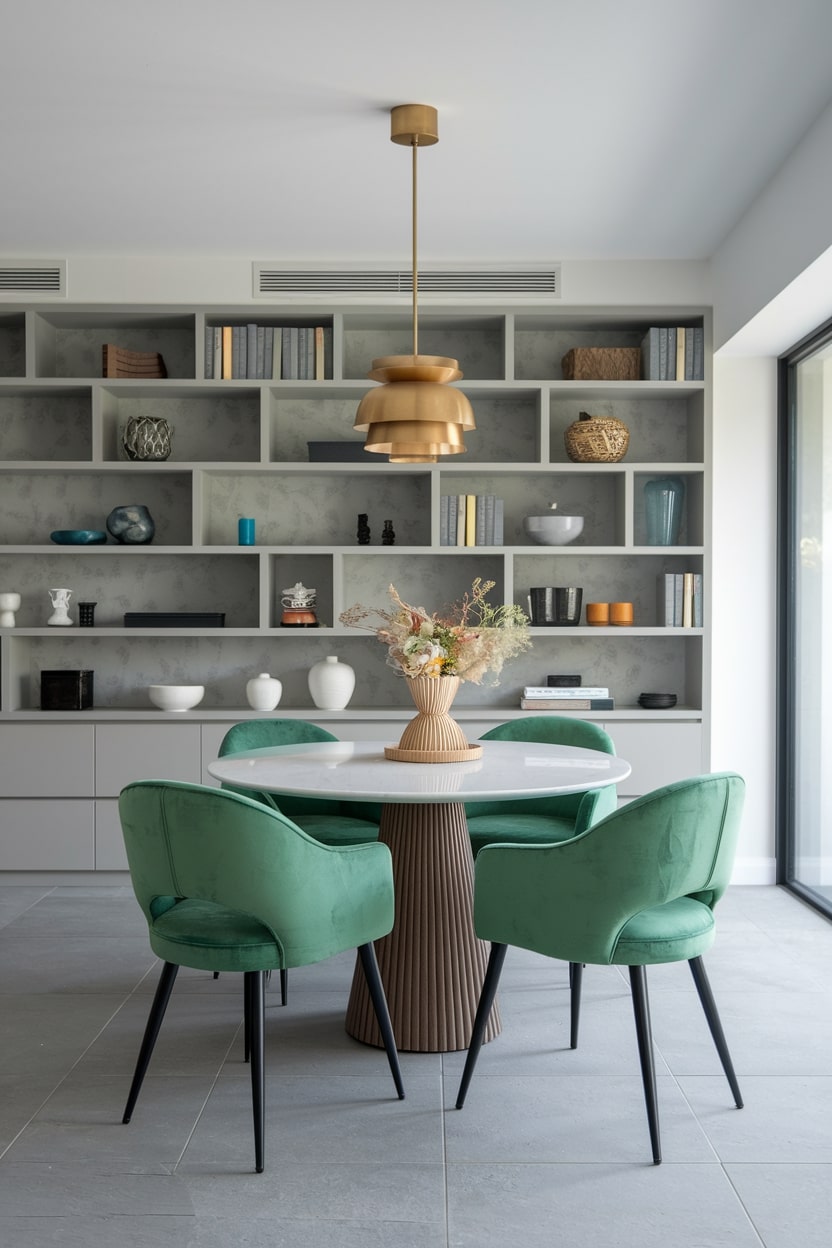
Creative Built-Ins with Asymmetrical Shelving
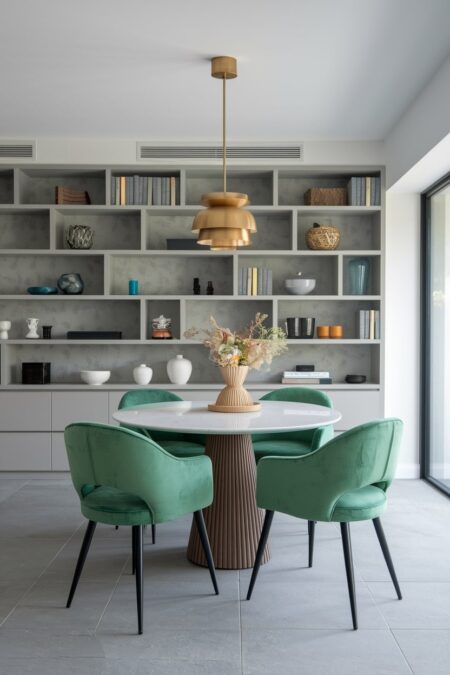
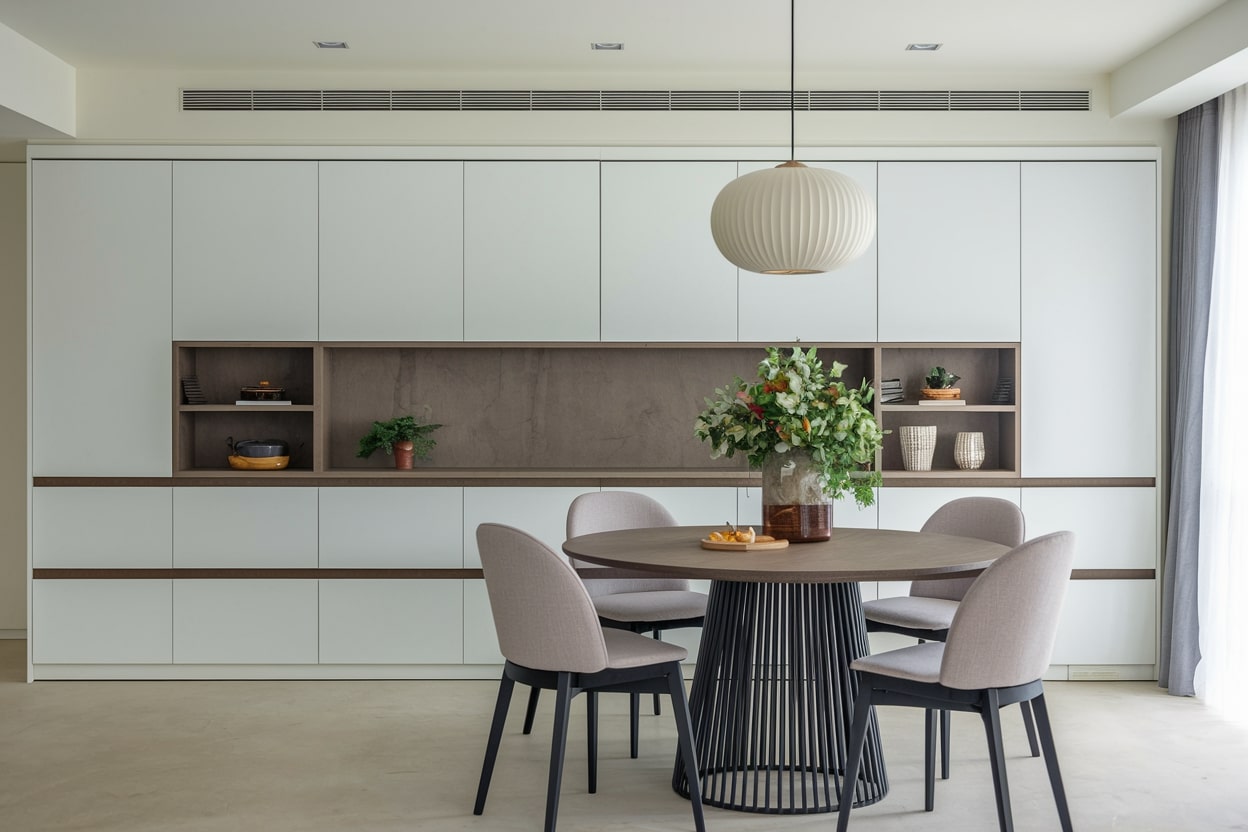
The asymmetrical shelving layout adds visual interest and provides the perfect showcase for artwork, glassware, and decorative accents, while the seamless, handle-free drawers at the bottom keep table linens, serveware, and other essentials neatly hidden. This combination of open display and concealed storage maximizes functionality without sacrificing style, making asymmetrical built-ins an ideal choice for creating a sophisticated, clutter-free dining space.
- 05 of 10
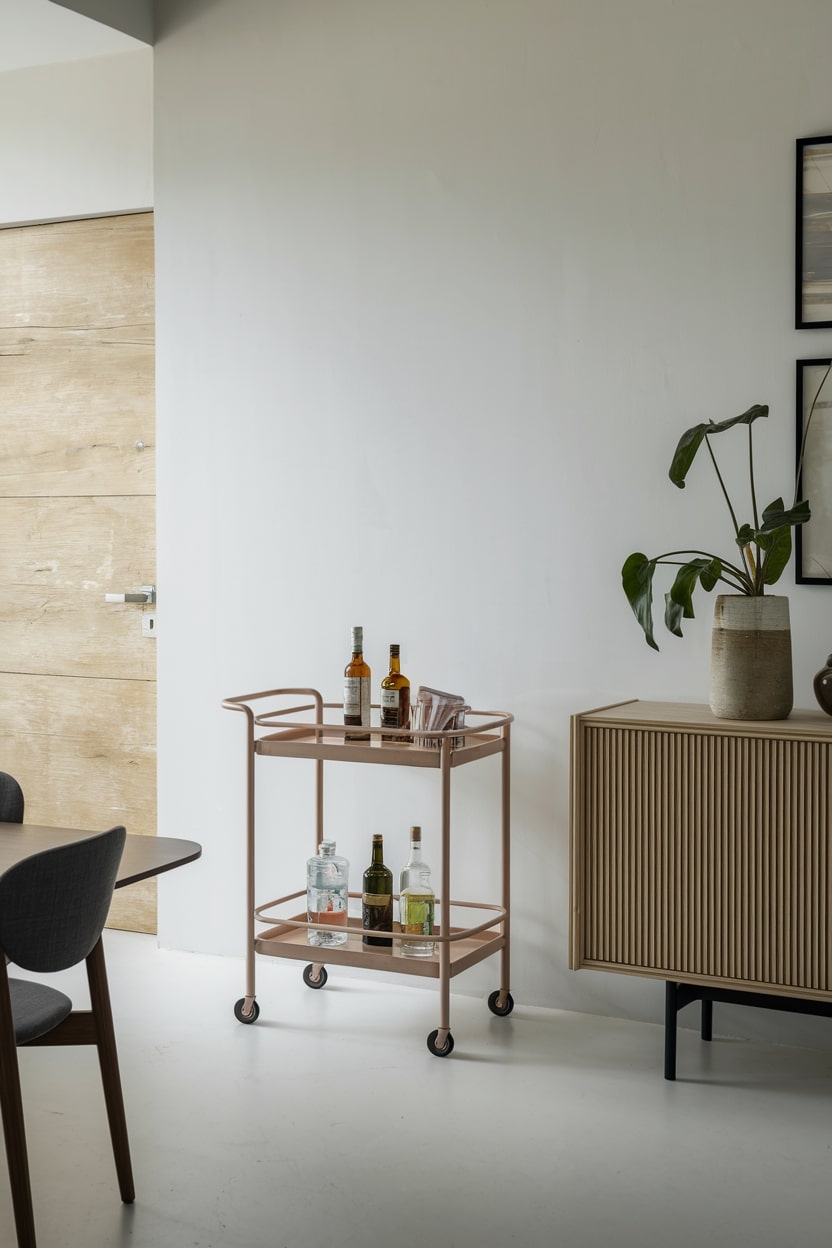
Add a Multi-Functional Bar Cart
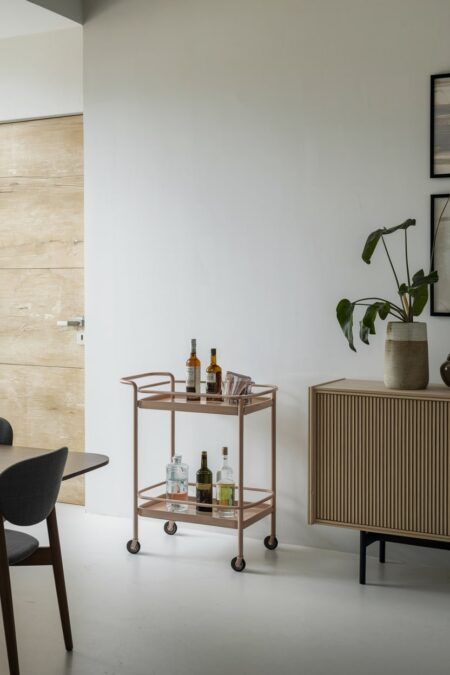
A bar cart is one of the most versatile and charming additions to a dining space, offering mobile storage that can be repositioned as needed. While traditionally used for spirits and glassware, these carts can easily be repurposed to hold dessert plates, coffee supplies, or extra cutlery. Their small footprint makes them perfect for tucking into tight corners or placing next to a sideboard to extend your serving area. During a dinner party, a bar cart can be rolled to the table to serve as a tableside station, adding a touch of old-world hospitality to your event.
To maximize the utility of a bar cart without it looking messy, utilize the bottom shelf for heavier or less decorative items like bottles or stacks of napkins, utilizing baskets to contain loose items. Reserve the top shelf for your most attractive glassware, a decanter, or a signature decorative piece. Keep the styling dynamic by changing the cart’s contents seasonally; for example, swap out cocktail gear for a hot cocoa station in the winter or a fresh lemonade setup in the summer. This flexibility ensures the piece remains functional and relevant year-round, rather than becoming a static dust collector.
- 06 of 10
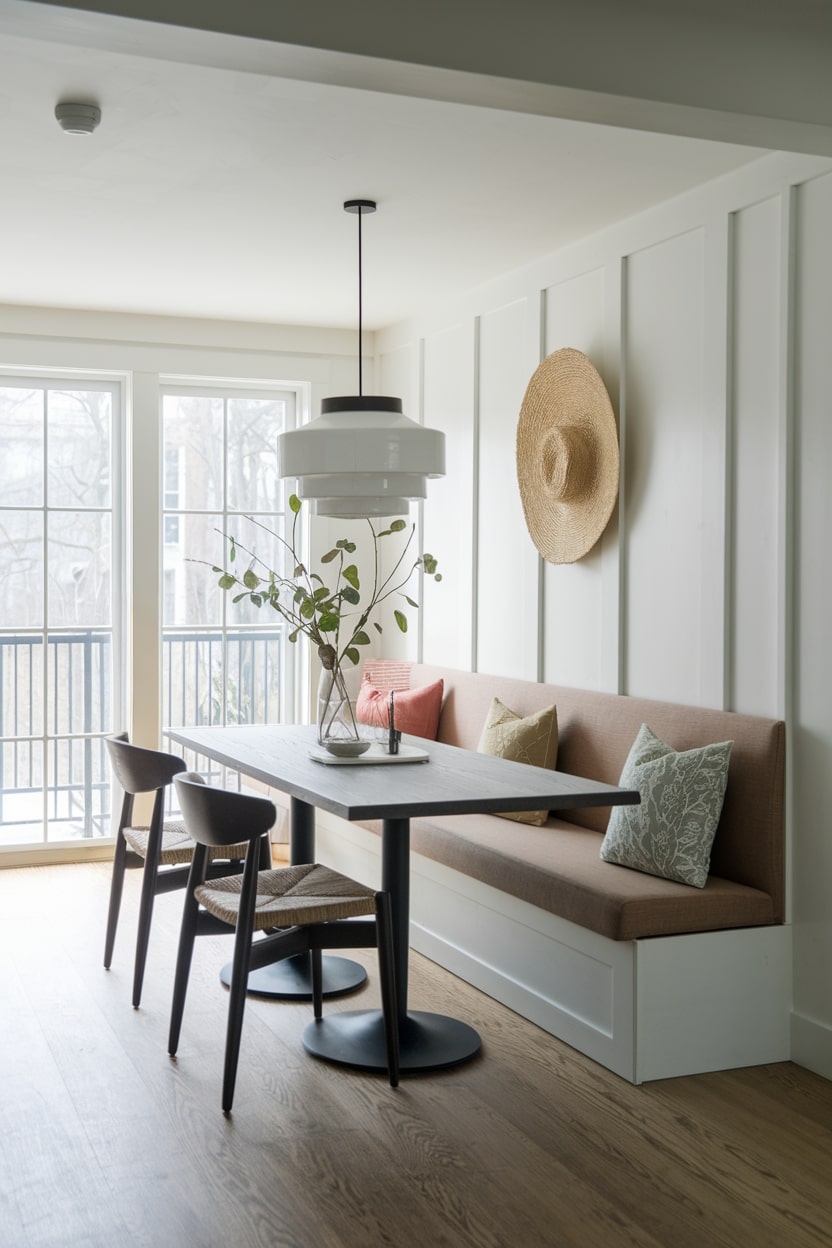
Optimize Seating with Banquettes and Hidden Compartments
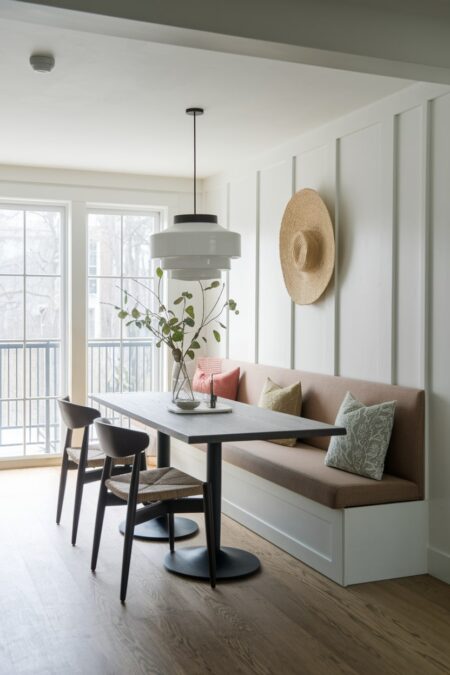
Banquette seating is a clever architectural hack that combines comfort with deep, concealed storage. By building a bench along a wall or into a corner, you not only save floor space by eliminating the need for clearance behind chairs but also gain a massive storage cavity beneath the seats. This area is perfect for stowing away bulky, non-daily items that can be difficult to fit in standard cabinets, such as large roasting pans, surplus kitchen appliances, or seasonal table linens. The cozy, restaurant-style vibe of a banquette also encourages guests to linger longer at the table, making your dining room feel more inviting and intimate.
Access is the key factor to consider when designing a storage banquette. While lift-top lids are common, they can be inconvenient to use if you have to remove cushions and move the table every time you need something. A more practical approach is to install deep drawers or sliding doors into the face of the bench, allowing you to retrieve items without disturbing the seating arrangement. Upholster the bench in durable, stain-resistant fabric to withstand the rigors of dining, and consider adding a hinged mechanism that holds the seat open if you do opt for top-access storage to ensure safety and ease of use.
- 07 of 10
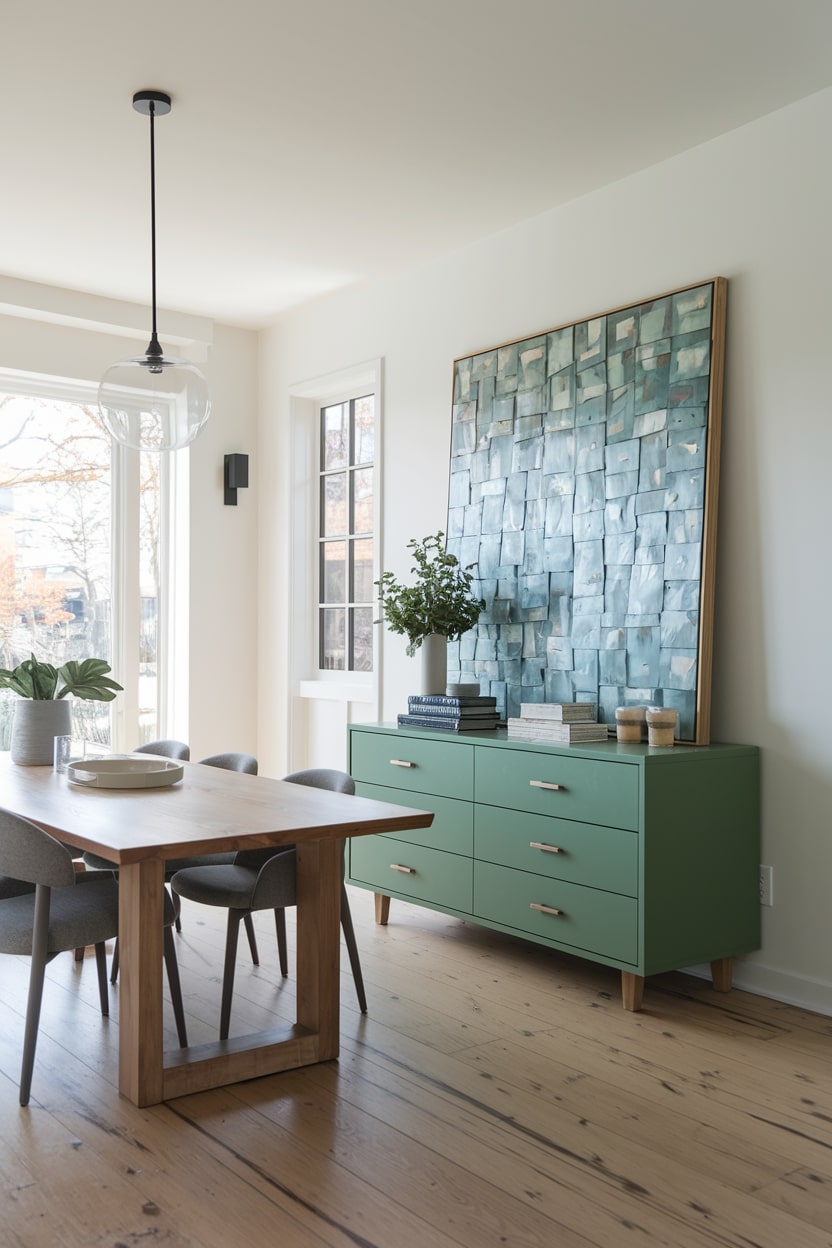
Repurpose a Dresser or Armoire for Vintage Charm
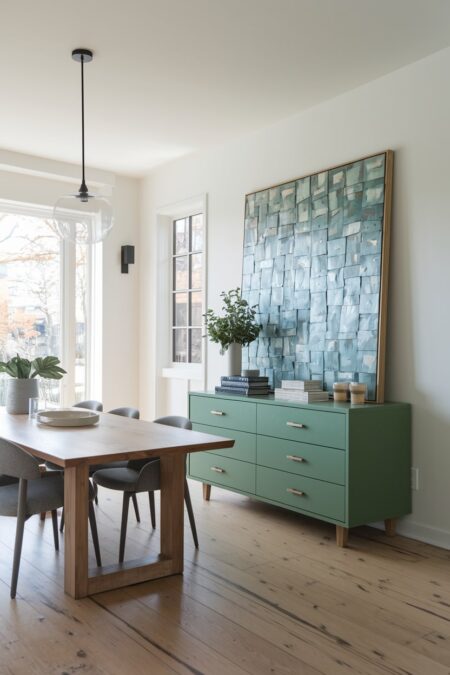
For those who favor an eclectic or farmhouse aesthetic, repurposing a bedroom dresser or a vintage armoire can add immense character and utility to the dining room. Dressers typically offer deeper and more numerous drawers than standard sideboards, making them exceptional for storing extensive linen collections, candle stashes, and even flatware sets in the smaller top drawers. An armoire can act as a standalone pantry or a hidden bar, with its tall doors concealing everything from wine bottles to stacks of tablecloths, effectively acting as a movable closet for your dining space.
When integrating a non-traditional piece like a dresser, consider removing the mirror typically attached to it and replacing it with a large piece of art or a wall-mounted mirror to shift the context from bedroom to dining room. You might need to retrofit the interiors of an armoire by adding extra shelves or a wine rack insert to maximize its function for dining storage. If the finish feels too heavy or dated, a fresh coat of paint in a bold hue like navy or emerald green can modernize the piece and turn it into a conversation starter that seamlessly blends storage with high design.
- 08 of 10
Utilize Dead Space with Corner Cabinets
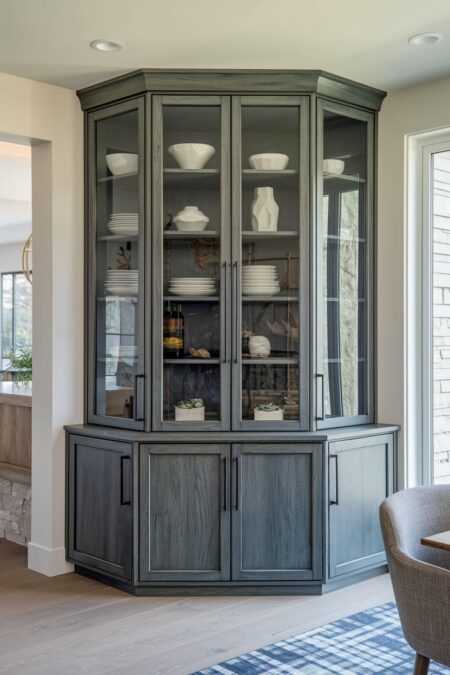
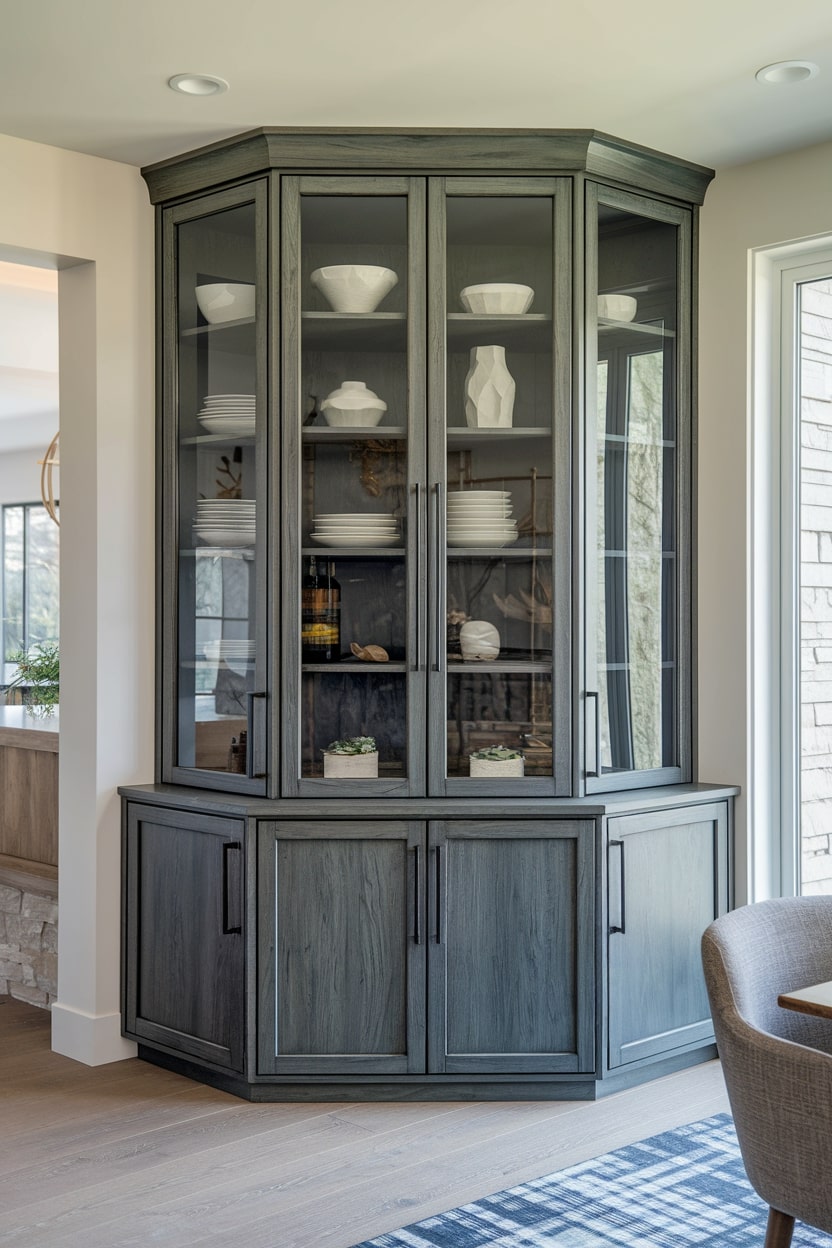
Corners in dining rooms are notoriously underutilized, often becoming dead zones that collect dust. A corner cabinet is specifically designed to reclaim this lost footage, providing significant storage capacity without encroaching on the room’s central footprint. These units are particularly effective in square or smaller rooms where wall space is interrupted by windows and doorways. Whether you choose a built-in unit that blends into the architecture or a freestanding antique piece, a corner cabinet draws the eye to the periphery of the room, expanding the perceived visual space while offering a home for cherished items.
The triangular shape of corner cabinet shelves can be tricky, so place larger items like serving bowls or pitchers in the deeper center section and smaller items like stemware or gravy boats toward the tapered sides. Since these cabinets are often tall, use the upper glass-fronted sections for display and the lower closed cabinetry for less attractive necessities. If you are building a custom unit, consider taking it all the way to the ceiling to avoid a shadowy gap at the top, and paint the interior a lighter color to help your displayed items pop against the background.
- 09 of 10
Display and Protect with a Hutch or China Cabinet
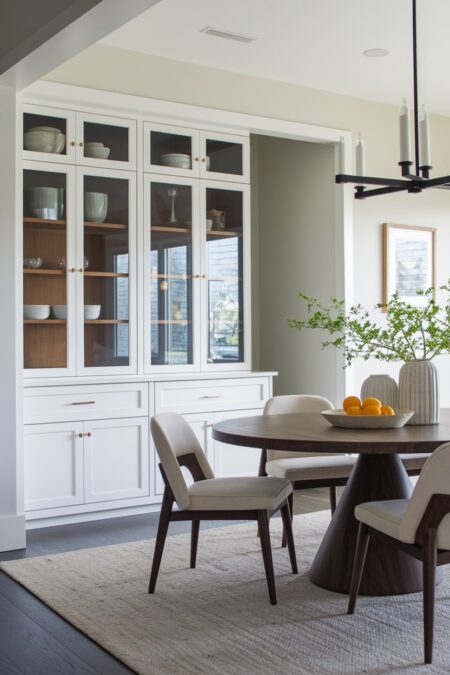
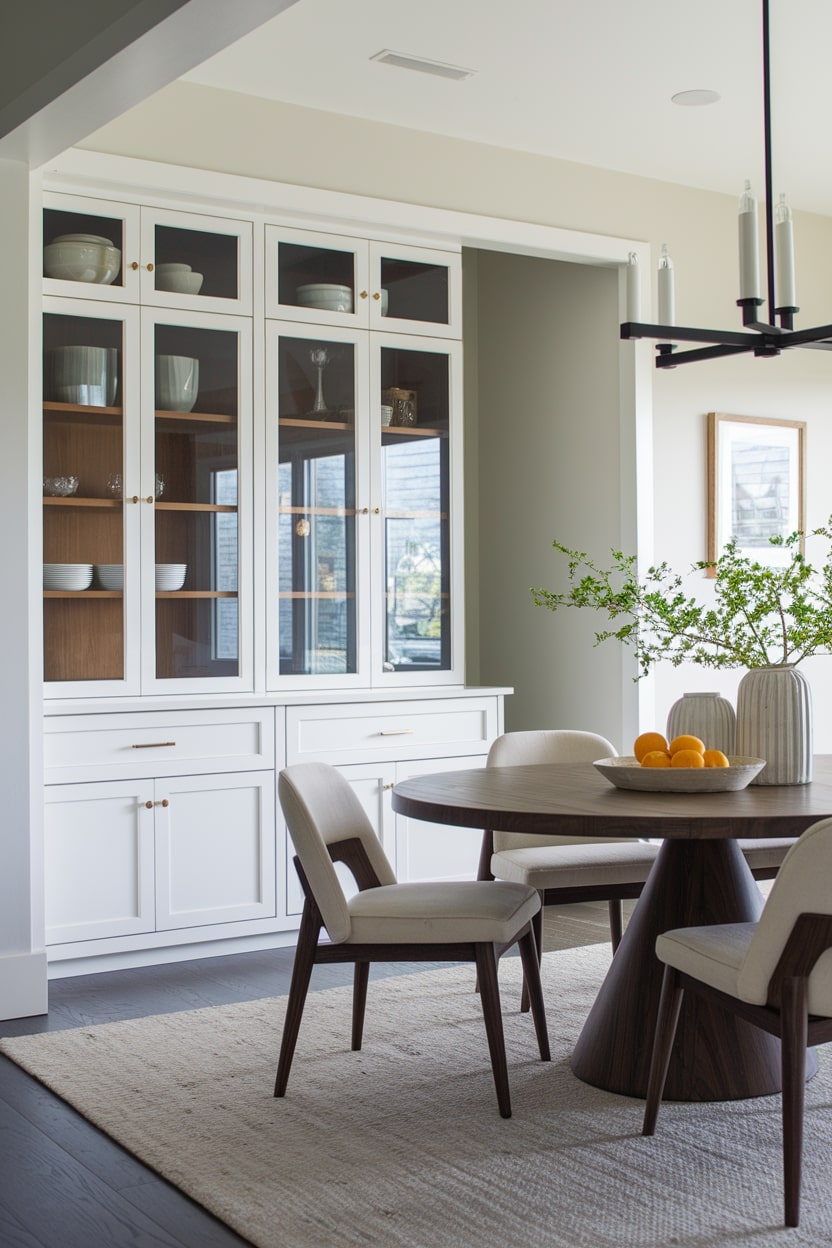
The china cabinet or hutch is the traditional heavyweight of dining room storage, offering a dedicated, dust-free environment for your finest dinnerware. These substantial pieces typically feature a lower buffet section for closed storage and an upper display case with glass doors. This combination allows you to showcase your beautiful crystal, heirlooms, and serving platters while keeping them protected from grime and accidental bumps. A hutch adds a sense of permanence and tradition to a dining room, serving as a sophisticated backdrop to family meals.
Modernizing the look of a traditional hutch prevents the room from feeling stuffy or outdated. You can achieve this by wallpapering the back panel of the open shelving area with a subtle texture or pattern that complements your room’s decor. Avoid overcrowding the shelves; leave some negative space between stacks of plates and groupings of glasses to create a gallery-like feel rather than a storage locker aesthetic. If your dining room is small, look for a “breakfront” style or a cabinet with sliding glass doors, which require less clearance to open than swinging doors, ensuring the flow of the room remains unobstructed.
- 10 of 10
Embrace Modernity with Ladder Shelving
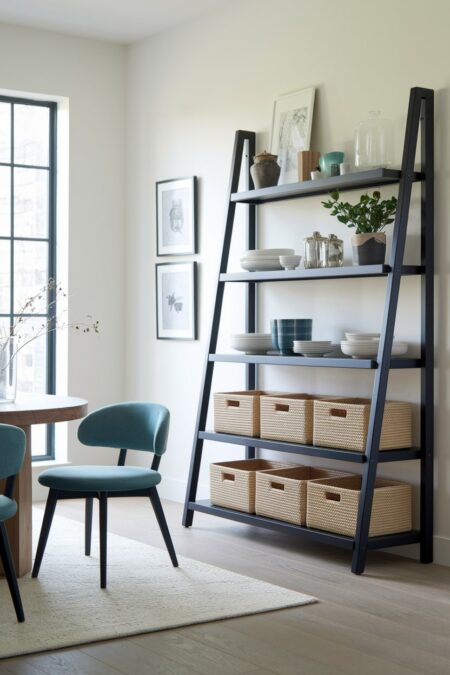
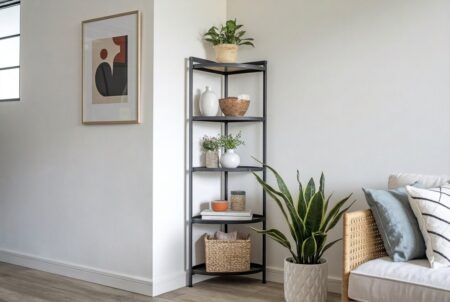
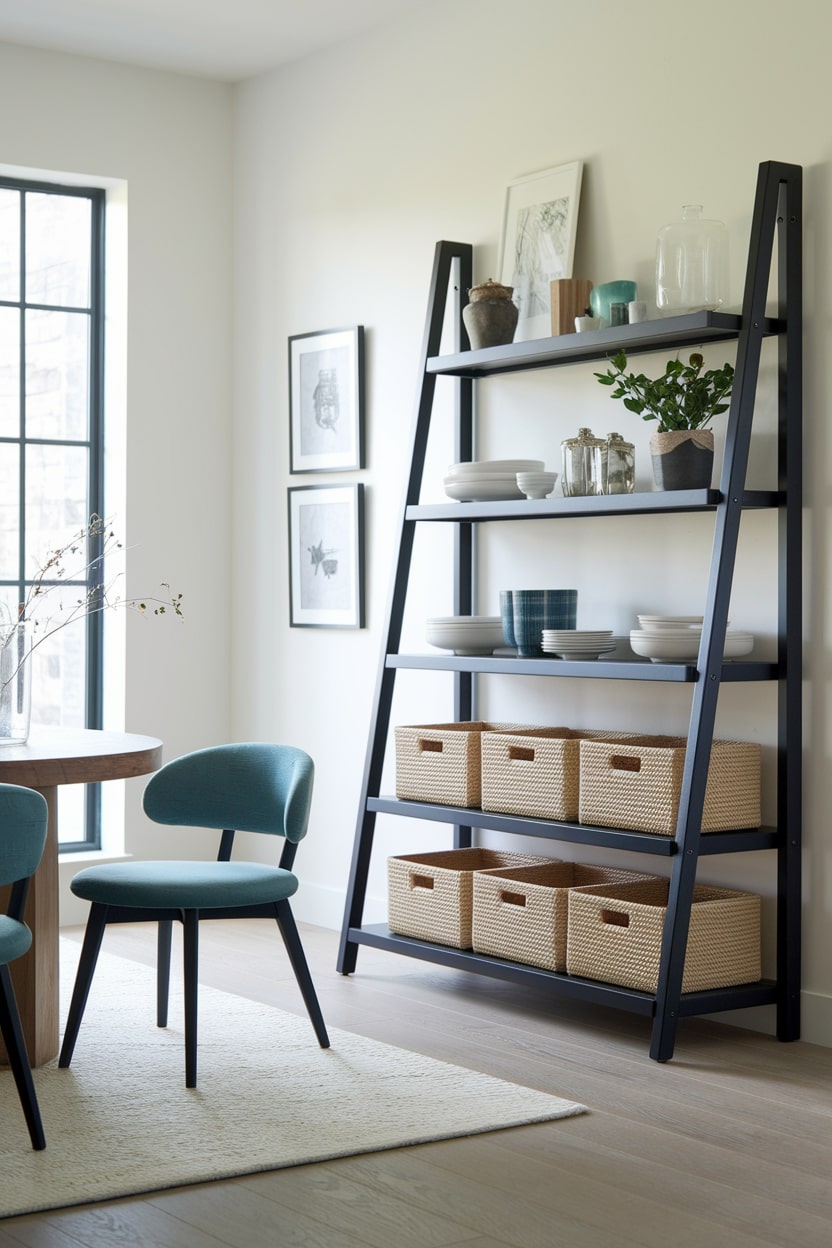
For a contemporary, relaxed approach to dining room storage, ladder shelving offers a stylish and open framework. Leaning ladder shelves or freestanding etagere units provide a vertical storage solution that feels lighter and less imposing than heavy cabinetry. The graduating depth of the shelves (often deeper at the bottom and shallower at the top) allows you to store heavier items like stacks of cookbooks or baskets of linens on the lower rungs (shelves), while reserving the upper tiers for delicate decor, plants, or glassware. This tiered design draws the eye upward, creating a sense of height and openness.
To ensure stability, especially in a high-traffic area, secure the top of the leaning shelf to the wall. This type of storage works best when styled with a balance of function and form; intersperse practical items with decorative objects to keep the look casual and curated. Use uniform baskets or bins on the lower shelves to corral smaller, unsightly items like napkin rings or tea lights, keeping the visual clutter to a minimum. Because ladder shelves are open, they work exceptionally well as room dividers in open-concept living and dining areas, defining the dining zone without blocking light or sightlines.
Conclusion
Selecting the right dining room storage involves looking beyond simple functionality to find solutions that enhance the atmosphere of your home. Whether you choose the permanence of floor-to-ceiling built-ins, the classic elegance of a sideboard, or the flexible charm of a bar cart, the goal remains the same: to create a space that feels organized, spacious, and ready for guests. By carefully assessing your room’s layout and your specific storage needs, you can implement ideas that not only hide the clutter but also showcase your personal style. A well-organized dining room allows you to focus on what truly matters — enjoying good food and great company in a setting that feels both welcoming and refined.