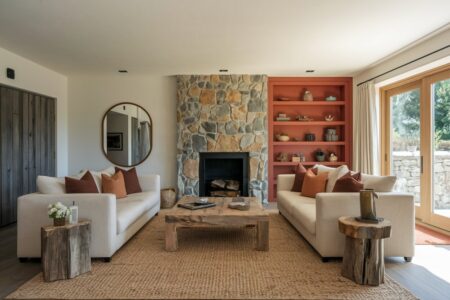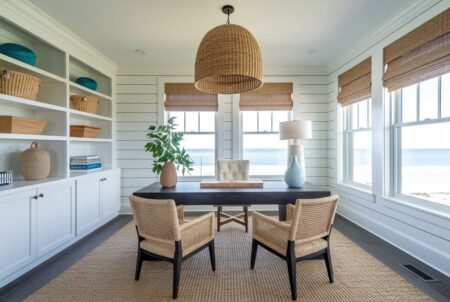
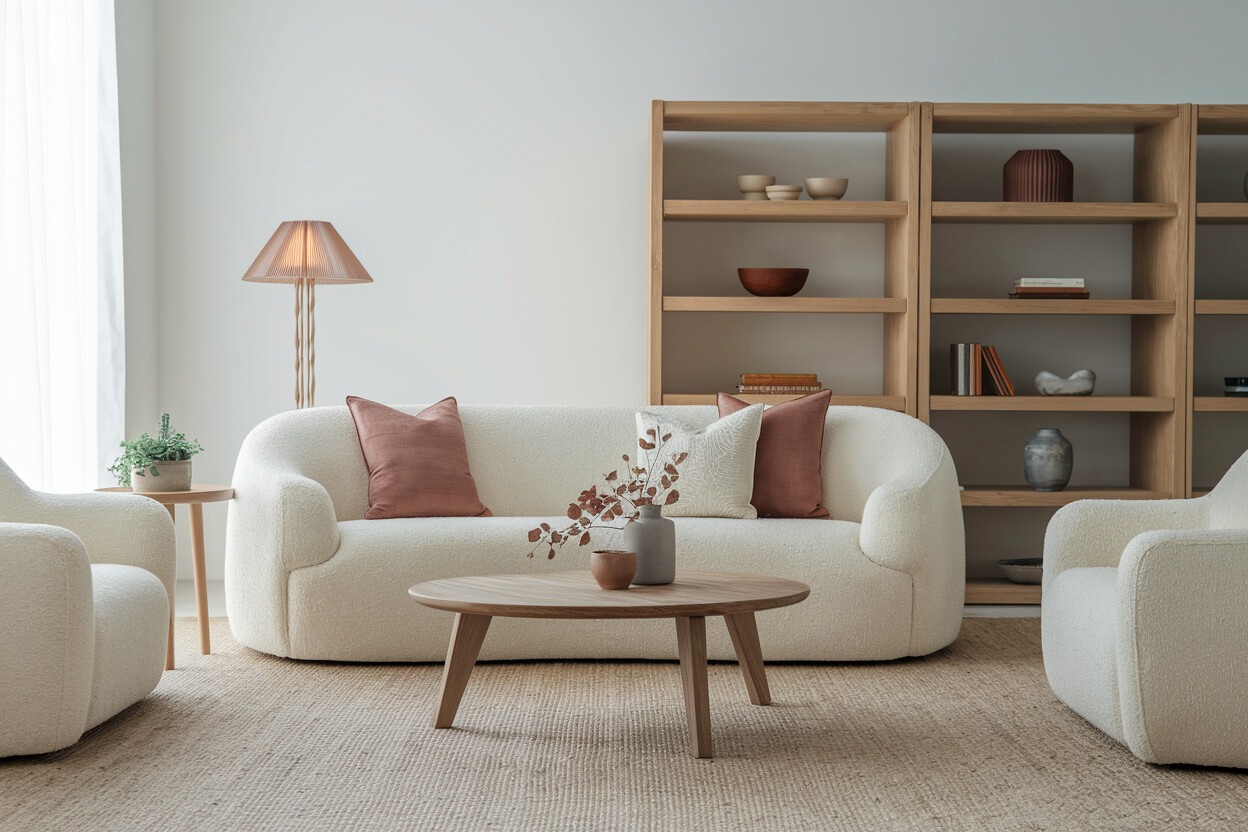
The world of home decor often sees trends come and go. However, some styles possess a timeless quality that transcends seasons. One such aesthetic is Japandi interior design. It is a sophisticated blend of two distinct yet harmonious cultures: Japanese and Scandinavian.
By merging the rustic warmth of Northern Europe with the elegant functionalism of Japan, this style creates spaces that feel both cozy and refined.
DEFINITION
Japandi interior design style is a hybrid aesthetic that combines the Japanese philosophy of wabi-sabi (finding beauty in imperfection) with the Scandinavian concept of hygge (cozy contentment). It prioritizes minimalism, natural materials, and high-quality craftsmanship to create a serene, functional living environment.
The Philosophy Behind Japandi Design
At its core, Japandi style is more than just a look. It is a lifestyle choice. Scandinavian interior design focuses on comfort and “hygge,” making a home feel like a sanctuary. On the other hand, Japanese design emphasizes “wabi-sabi,” which celebrates the organic and the weathered.
When these two meet, they eliminate the “coldness” sometimes found in extreme minimalism. You are left with a space that feels intentional. Nothing is excess. Every object serves a purpose or brings peace.
Key Characteristics of Japandi Interior Design
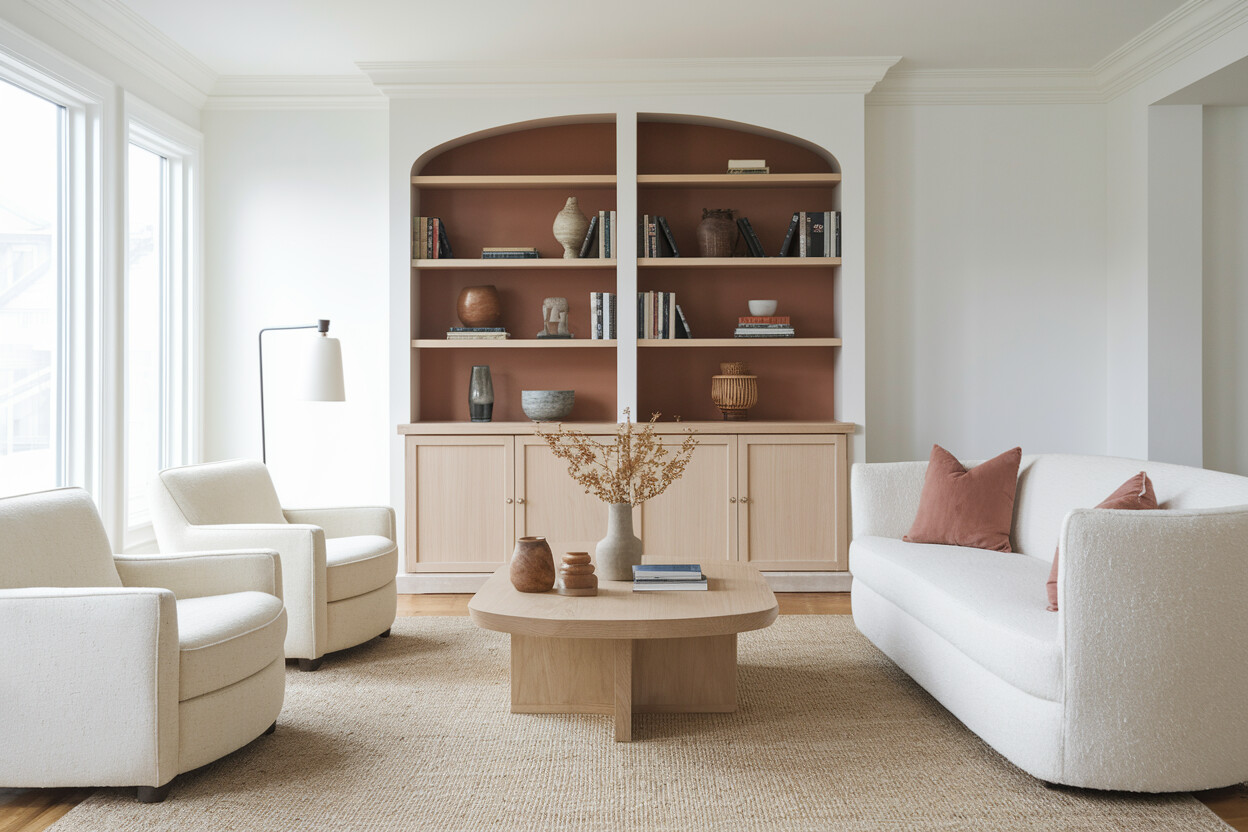
Understanding the visual language of this trend is the first step to implementation.
1. A Neutral and Earthy Palette
The color scheme is the foundation. While Scandi style often leans on bright whites and cool grays, Japandi design introduces warmer tones. Think of oatmeal, sand, charcoal, and muted terracotta. These colors ground the room and reflect the natural world.
2. Natural Materials and Textures
Texture is vital. You will see a heavy use of wood, particularly light oak from the Scandi side and darker walnut from the Japanese side. Other common materials include:
- Bamboo and rattan.
- Linen and organic cotton.
- Hand-thrown ceramics.
- Stone and paper.
3. Minimalist and Functional Furniture
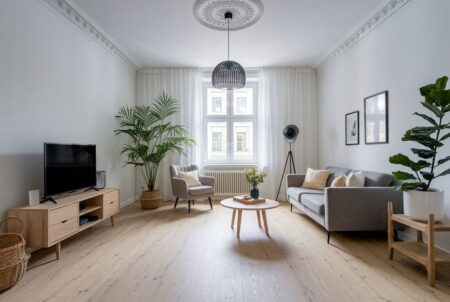
Furniture in a Japandi interior design style home features clean lines. The pieces are often low-profile, a nod to Japanese traditional floor-based living. There is no room for clutter. Every chair or table is selected for its utility and its silhouette.
Practical Tips to Achieve the Japandi Look
You don’t need a total renovation to embrace this style. Small, intentional changes can transform your space.
- Declutter with Intention: Clear your surfaces. Keep only what is necessary or deeply beautiful.
- Mix Wood Tones: Don’t be afraid to pair a light wood coffee table with a darker wood bookshelf. This contrast adds depth.
- Bring the Outdoors In: Use greenery as an accent. A single branch in a tall vase or a sculptural bonsai tree works better than many small potted plants.
- Invest in Quality: Instead of buying many cheap decor items, save for one “hero” piece. A high-quality wool rug or a handcrafted wooden bench makes a statement.
- Focus on Lighting: Use soft, diffused light. Paper lanterns (Akari style) are perfect for adding a Japanese touch to a Scandi-inspired room.
Room-by-Room Examples of the Japandi Interior Design
Japandi Living Room
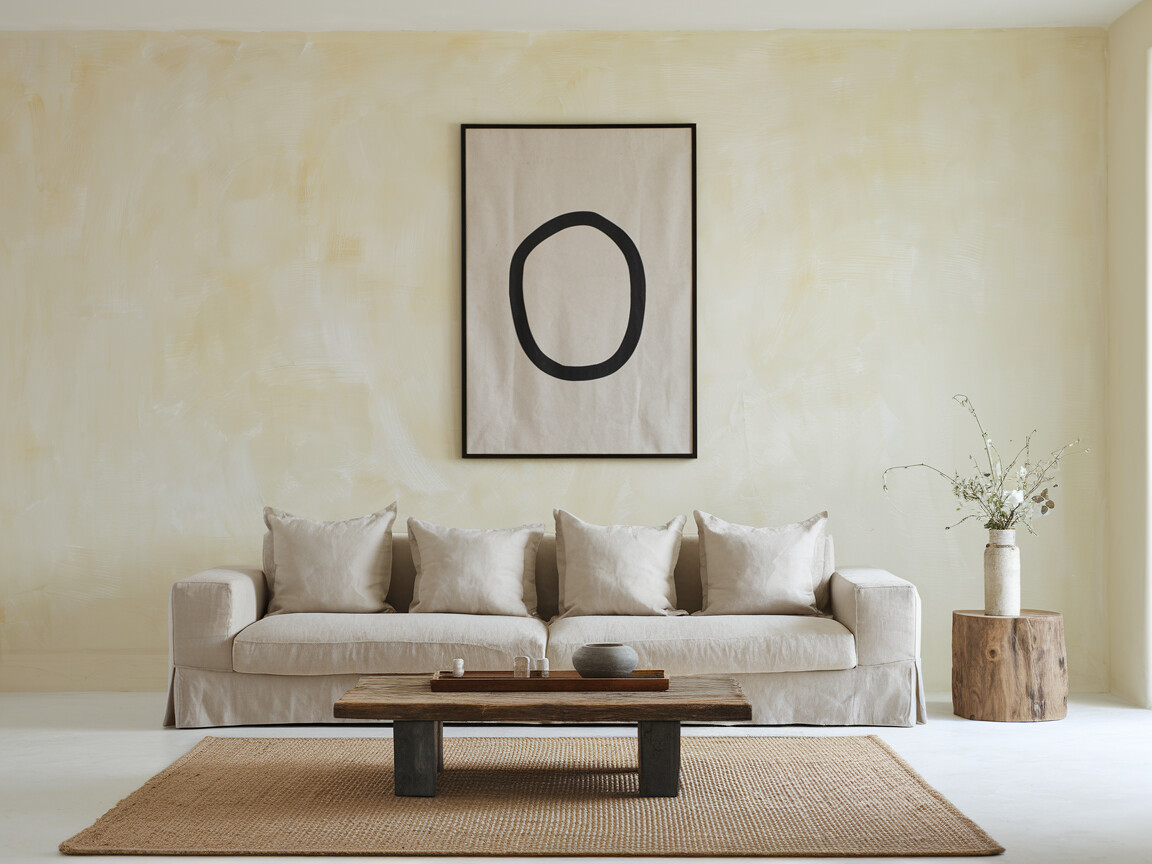
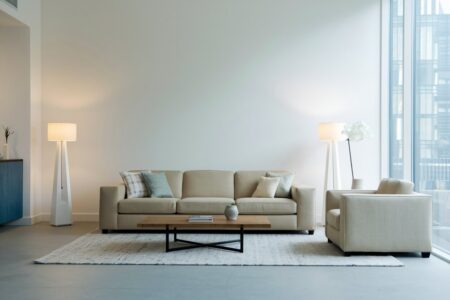
Imagine a low-slung linen sofa in a soft beige. In front of it, a reclaimed wood coffee table sits on a jute rug. The walls are a creamy off-white. A single large piece of abstract art hangs on the wall, framed in black to provide a focal point.
Japandi Bedroom
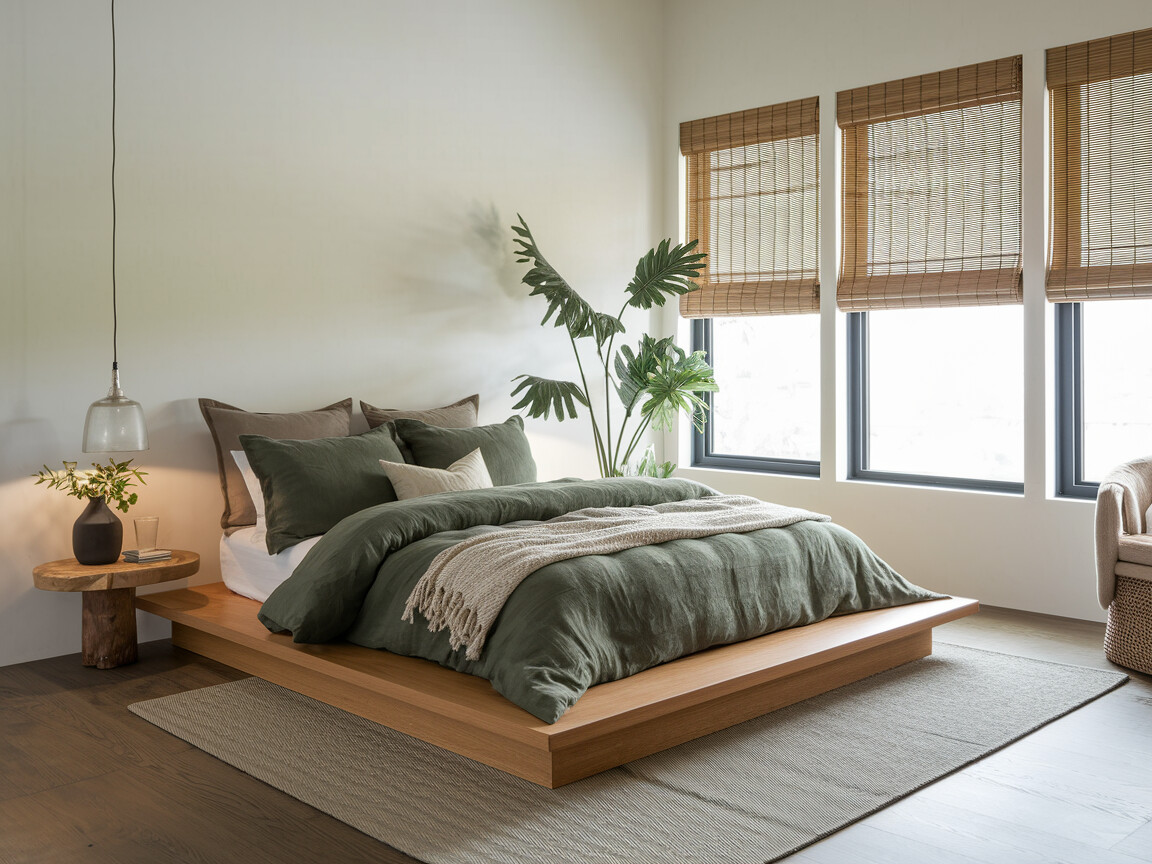
The bed should be the star. A simple wooden platform bed with layers of linen bedding in forest green and taupe. No heavy curtains; instead, use light-filtering bamboo shades to let the morning sun in softly.
Japandi Kitchen
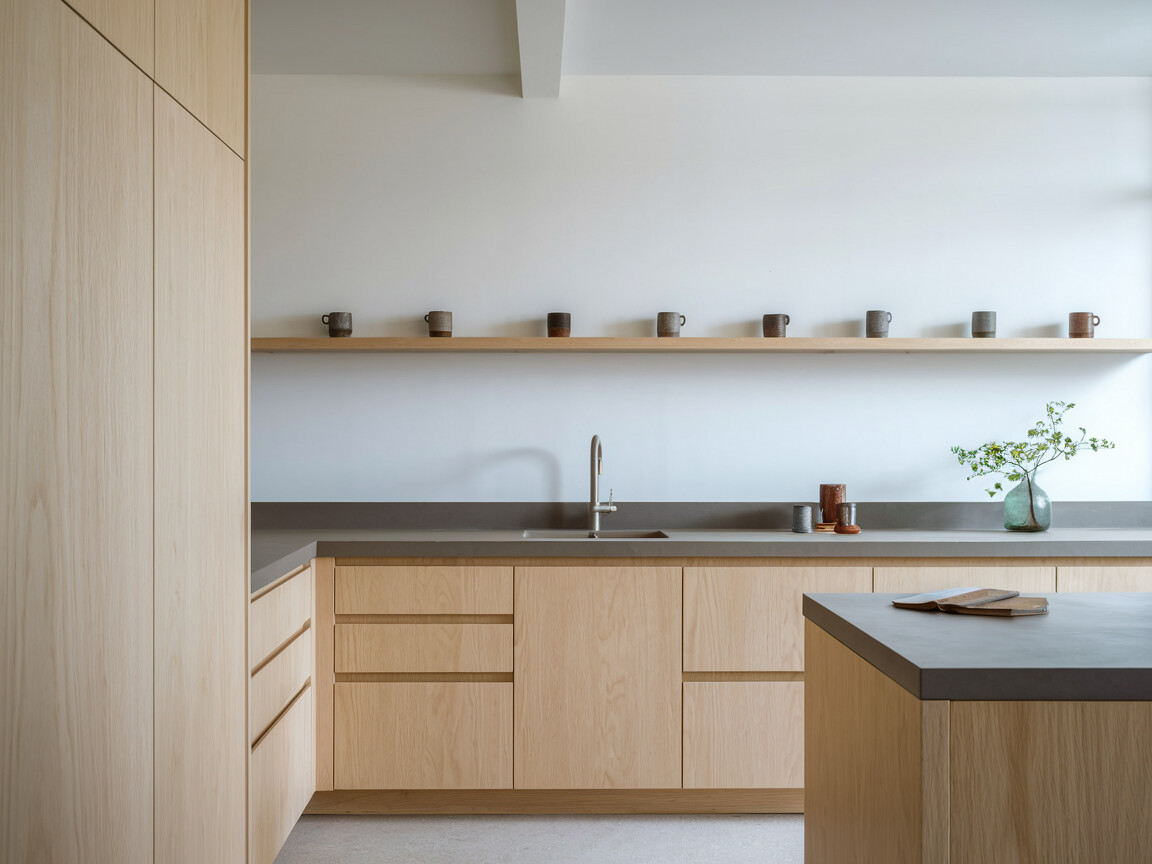
Clean, handle-less cabinetry in a light wood finish. The countertops are a matte stone. On the shelves, a collection of mismatched but tonally similar ceramic mugs adds a touch of wabi-sabi.
Why is Japandi Style Gaining Popularity?
In an increasingly digital and fast-paced world, our homes have become our retreats. The Japandi style offers a sense of order that calms the mind. It is also an eco-friendly choice. By focusing on longevity and natural materials, it moves away from “fast furniture” culture. It promotes a sustainable way of living that values the earth.
Frequently Asked Questions (FAQ)
What is the difference between Scandinavian and Japandi?
Scandinavian design focuses on white spaces, bright light, and cozy textiles. Japandi interior design adds the Japanese elements of darker woods, warmer neutrals, and a stricter sense of minimalism. It feels more grounded and “earthy” than pure Scandi.
Can I do Japandi on a budget?
Yes. Start by decluttering. Removing excess is free. Focus on DIY projects like painting old furniture in matte, earthy tones or finding second-hand wooden pieces that can be sanded down.
Is Japandi design too cold?
Not at all. Because it incorporates “hygge,” it prioritizes comfort. The use of warm woods and soft textiles like wool and linen ensures the space feels inviting, even if it is minimalist.
What colors define Japandi?
The palette is dominated by neutrals: beige, cream, sand, and taupe. These are often accented by “nature-inspired” colors like olive green, indigo, or soft terracotta.
Final Thoughts on Mastering the Fusion
Adopting the Japandi interior design style is an exercise in restraint. It asks you to look at your home and ask what truly matters. By blending the best of the North and the East, you create a home that isn’t just a place to sleep, but a place to breathe.