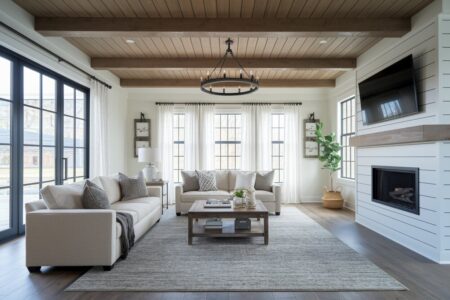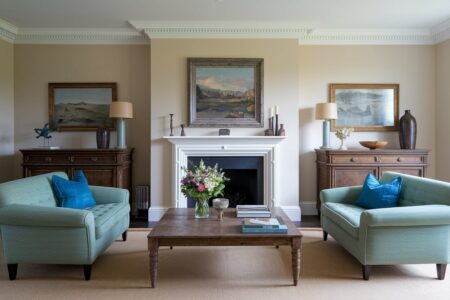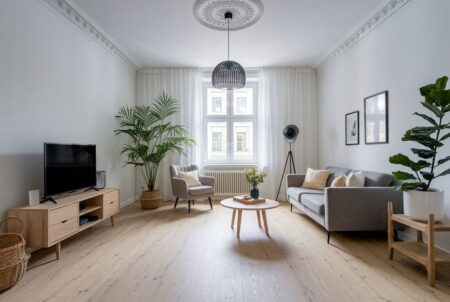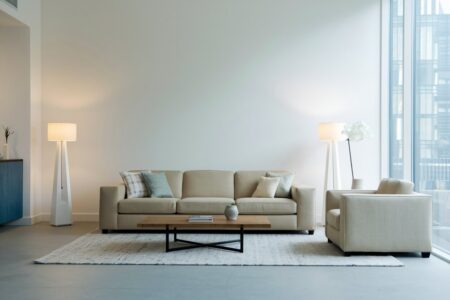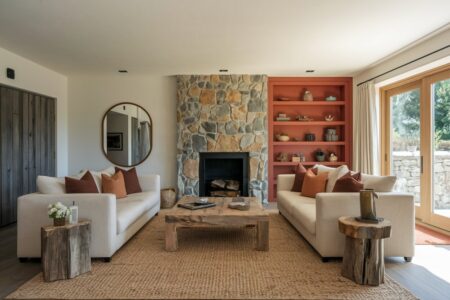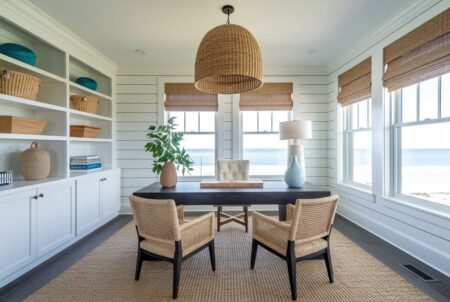
The Mediterranean interior design style captures the essence of sun-drenched coastlines and relaxed living. It draws inspiration from the countries bordering the Mediterranean Sea, specifically Greece, Italy, and Spain. This aesthetic focuses on the bridge between indoor comfort and the rugged beauty of the outdoors.
DEFINITION
Mediterranean interior design is a decor style characterized by light, airy spaces, natural materials like stone and wood, and a color palette inspired by the sea and earth. It emphasizes textured walls, rustic furniture, and a seamless flow between interior living areas and outdoor terraces.
Key Characteristics of Mediterranean Interior Design
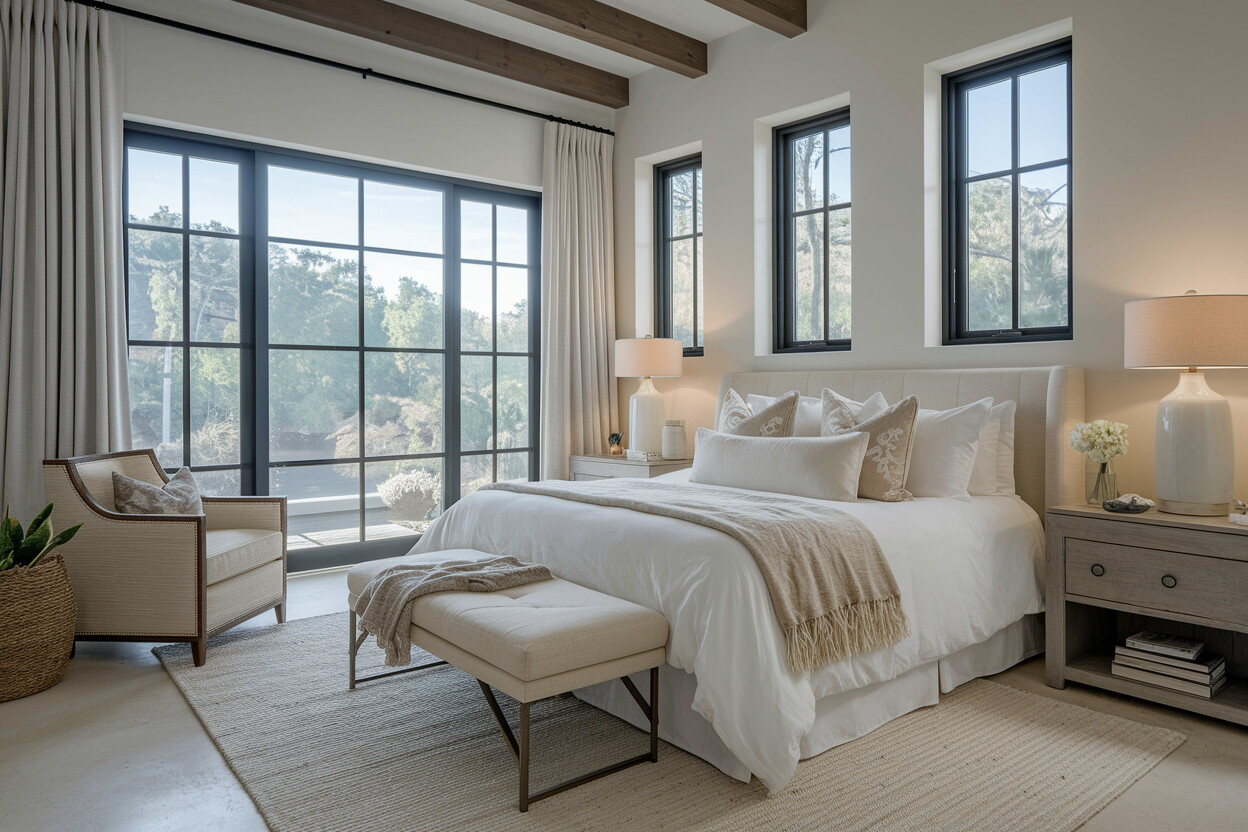
Achieving the perfect Mediterranean look requires a balance of old-world charm and modern simplicity. The architecture often features high ceilings and exposed wooden beams. These elements provide a sense of history and structural integrity.
Color is the heart of this style. Designers often use a base of crisp white or warm cream. They then layer in accents of azure blue, terracotta orange, and olive green. These hues reflect the natural environment of the Mediterranean region.
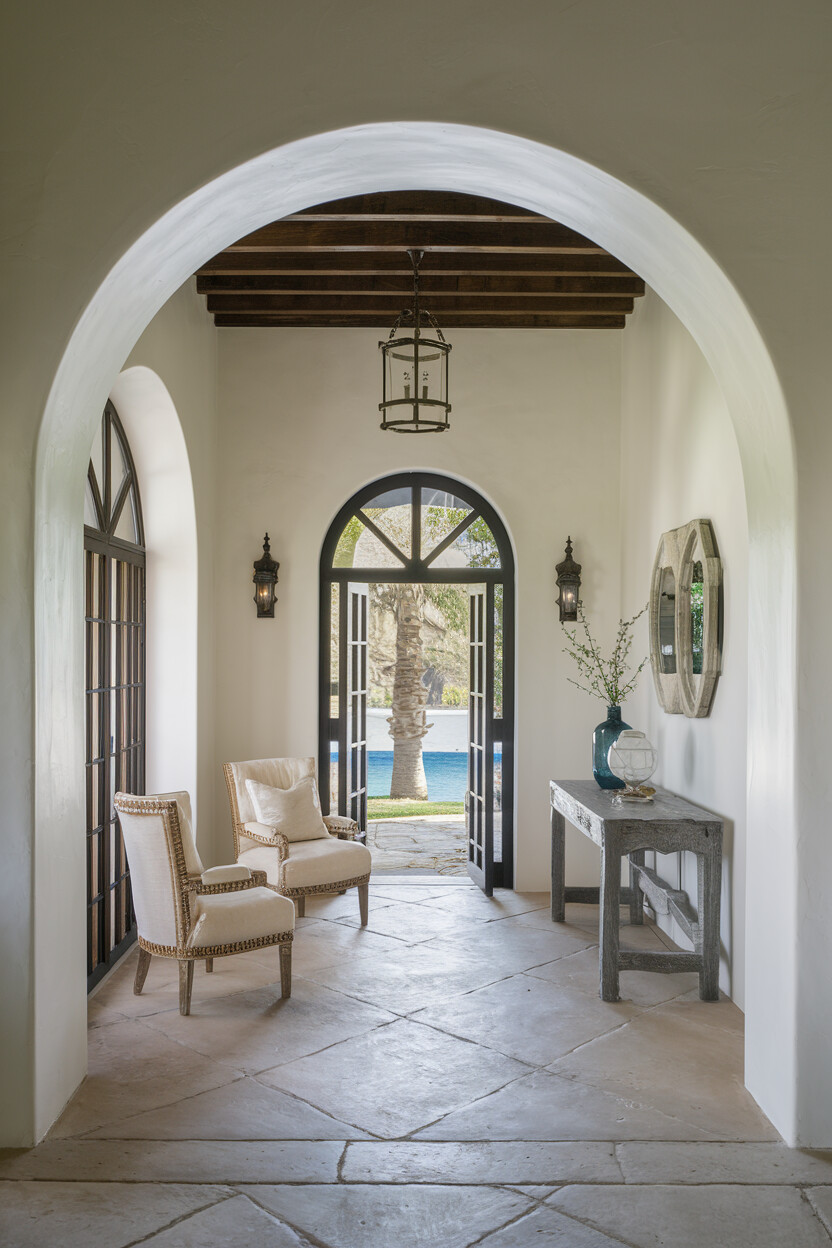
Texture plays a vital role. Instead of perfectly smooth surfaces, you will find plastered walls with a hand-applied finish. Terracotta tiles or natural stone floors are standard choices. These materials stay cool under the summer sun and add a grounding, organic feel to the home.
The Evolution of Mediterranean Style
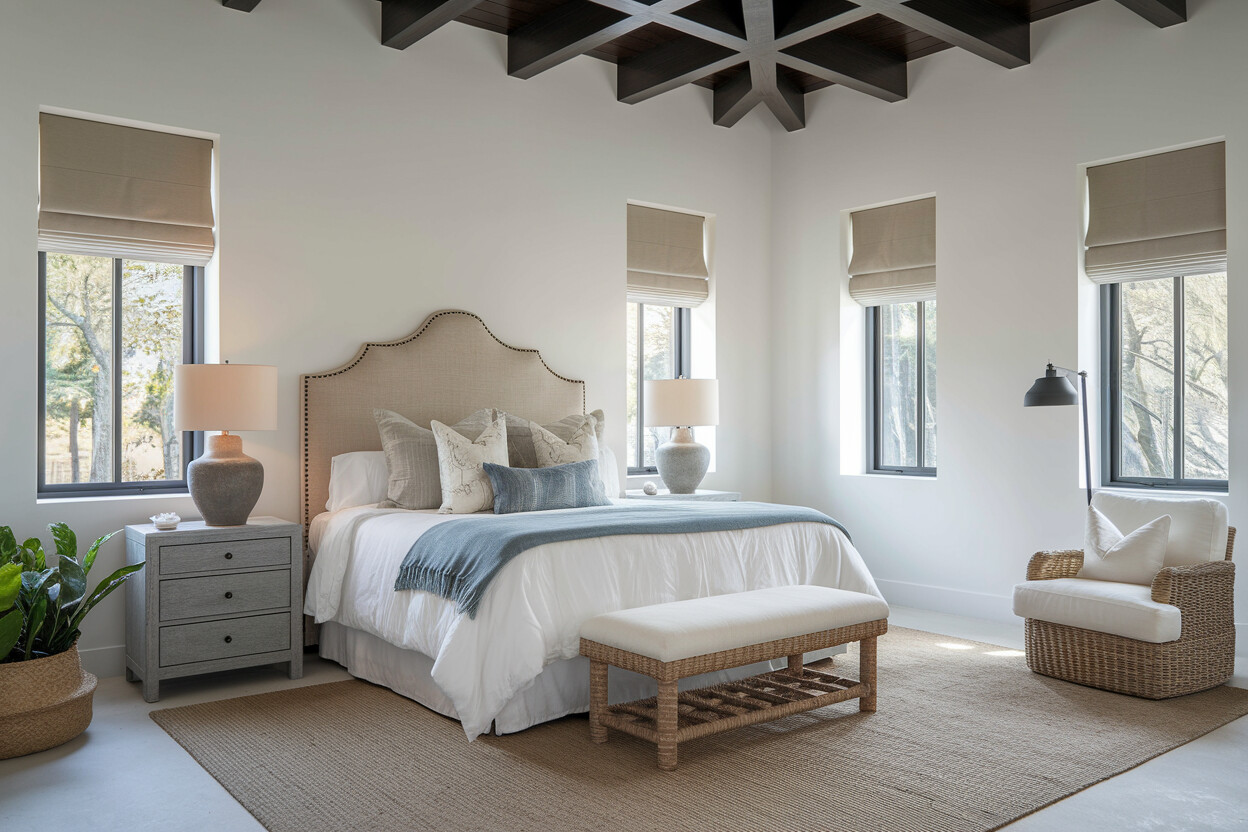
Modern Mediterranean interior design has shifted away from the heavy, dark furniture of the past. Today, it embraces minimalism. We see more “Euro-chic” influences that favor clean lines and fewer ornaments.
The focus has moved toward quality over quantity. Instead of clutter, homeowners choose a few high-quality statement pieces. This evolution makes the Mediterranean interior design style adaptable for urban apartments and coastal villas alike.
Practical Tips for Mediterranean Styling
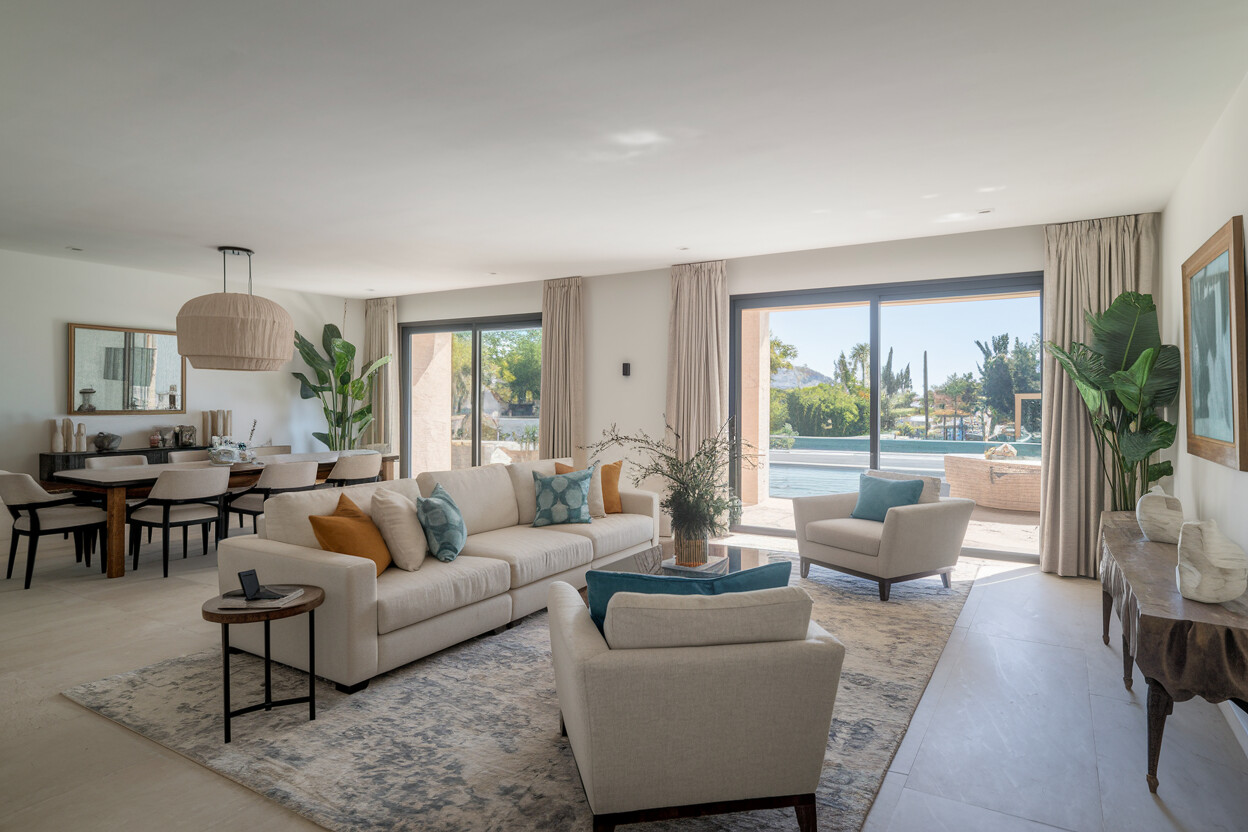
- Prioritize Natural Light: Use sheer curtains to let sunlight flood the room. Light is a fundamental component of Mediterranean design.
- Incorporate Wrought Iron: Use black iron hardware on cabinets or as light fixtures. It adds a touch of traditional craftsmanship.
- Use Potted Greenery: Bring the outdoors in with olive trees, lavender, or citrus plants in large ceramic pots.
- Focus on Textiles: Add warmth with linen throw pillows and woven jute rugs. Stick to natural fibers to maintain the organic vibe.
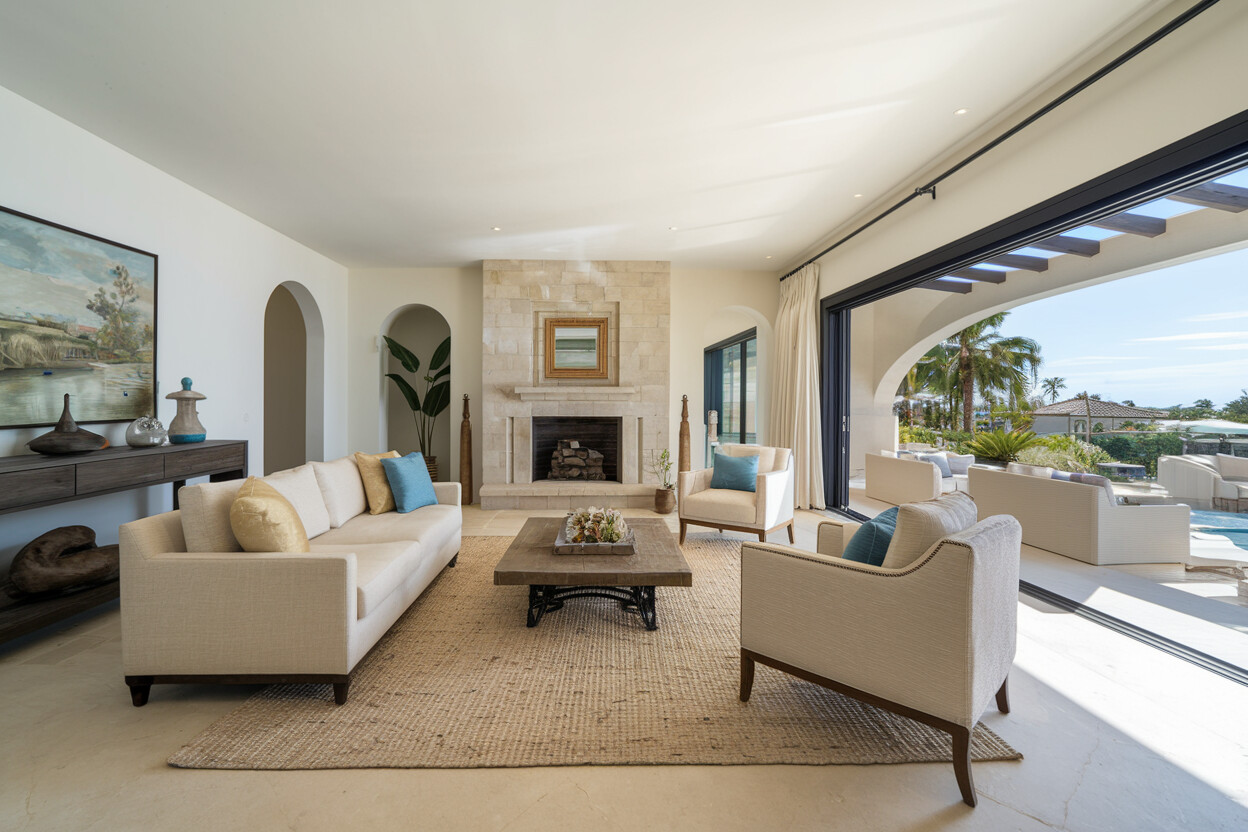
- Create an Indoor-Outdoor Flow: If possible, use large glass doors that open to a balcony or garden. This blurs the line between the two spaces.
Also, check out some ideas for implementing this interior style in different rooms of your home:
Examples of Regional Influences
Mediterranean design isn’t a monolith. It varies significantly depending on the specific country of origin.
- Greek Style: Focuses heavily on white and cobalt blue. It features symmetrical layouts and smooth, rounded edges in architecture.
- Italian (Tuscan) Style: Leans into earthier tones like ochre and burnt sienna. It often includes more ornate details and robust wooden furniture.
- Spanish Style: Known for its use of vibrant mosaic tiles (azulejos) and arched doorways. It feels festive yet grounded.
Why Mediterranean Interior Design Is Trending
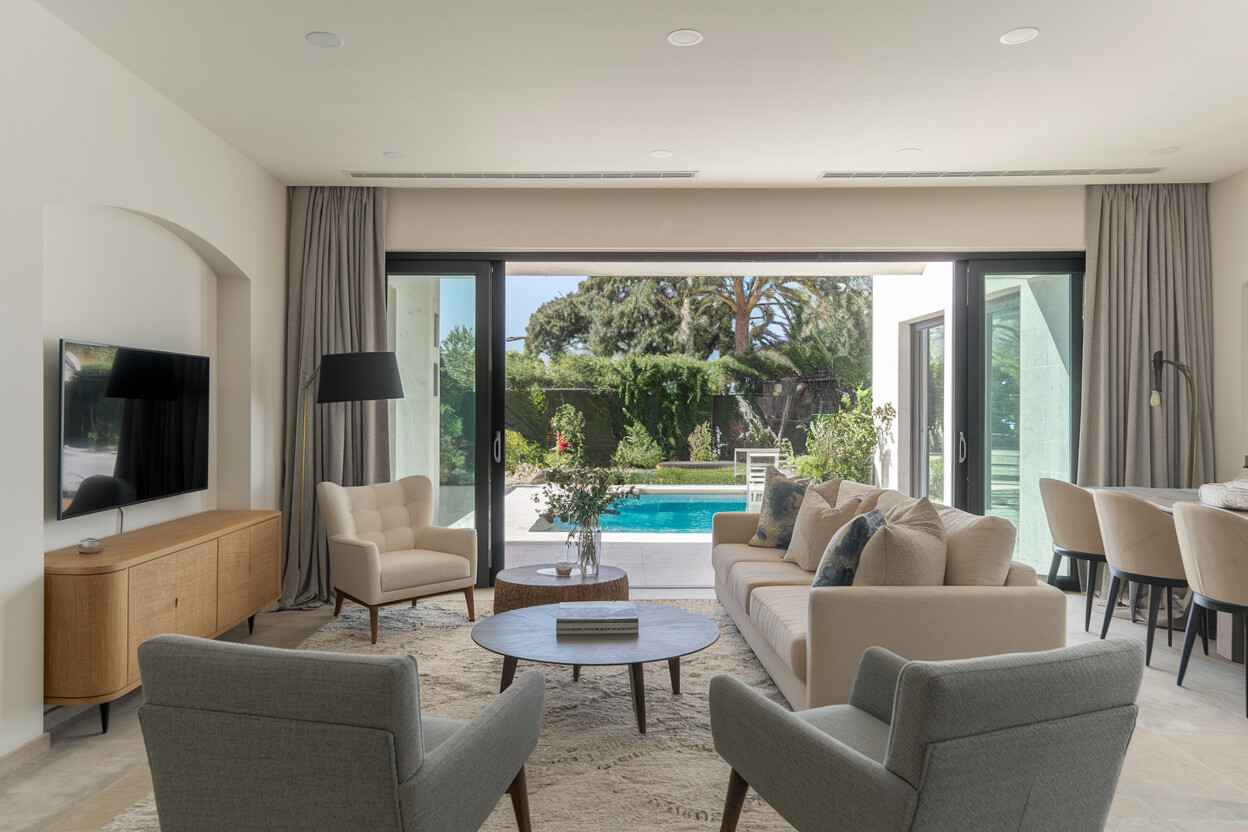
People are increasingly seeking “slow living.” Mediterranean style perfectly complements this lifestyle. It encourages relaxation and hospitality. The open layouts are designed for gathering with family and friends.
Furthermore, the emphasis on sustainable, natural materials resonates with eco-conscious homeowners. Stone, wood, and clay are durable and timeless. They don’t go out of fashion, making this a smart long-term investment for your home.
Frequently Asked Questions
Is Mediterranean design expensive to implement?
Not necessarily. While high-end stone floors can be costly, you can achieve the look through paint, textiles, and curated thrift-store finds. Focus on the “less is more” philosophy.
Can I use Mediterranean style in a small apartment?
Yes. Use a white color palette to make the space feel larger. Avoid heavy furniture and opt for light-colored wood and slim silhouettes to maintain an airy feel.
What is the difference between Mediterranean and Coastal styles?
Coastal style is often more “nautical” with stripes and shells. Mediterranean design is more “earthy” and “rustic,” focusing on historical architecture and landscape-inspired textures.
How do I choose the right tiles for this look?
Look for unglazed terracotta for a rustic feel. For a more decorative touch, choose hand-painted cement tiles with geometric patterns for backsplashes or entryways.
Final Thoughts
The beauty of Mediterranean interior design lies in its imperfection. A slightly uneven wall or a weathered wooden table adds character. It tells a story of a life well-lived and a home that isn’t afraid of the elements.
By focusing on light, texture, and natural materials, you can transform any space into a serene getaway. It is about capturing a feeling of eternal summer, regardless of where you live.
A home designed in this style isn’t just a place to sleep; it is a sanctuary that celebrates the beauty of the natural world.