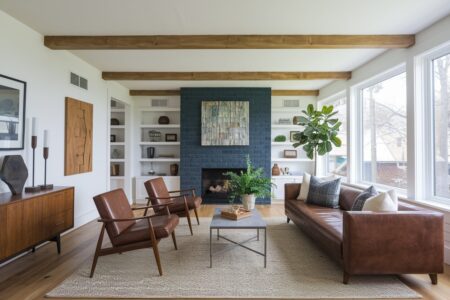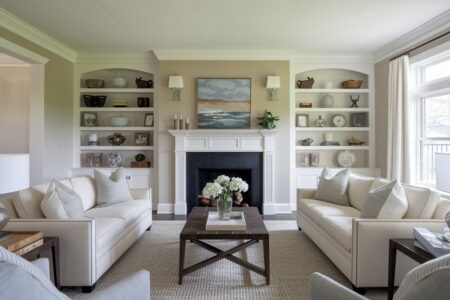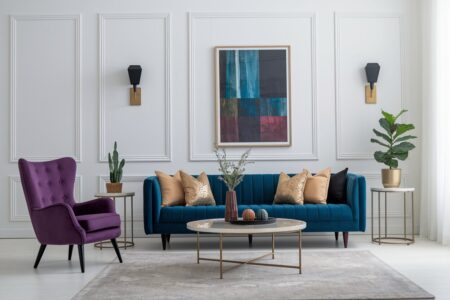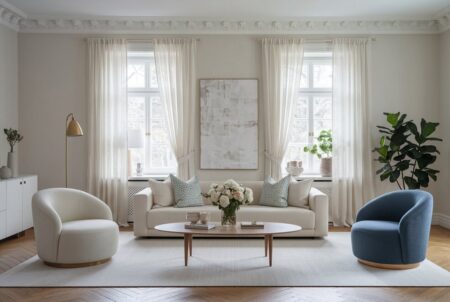
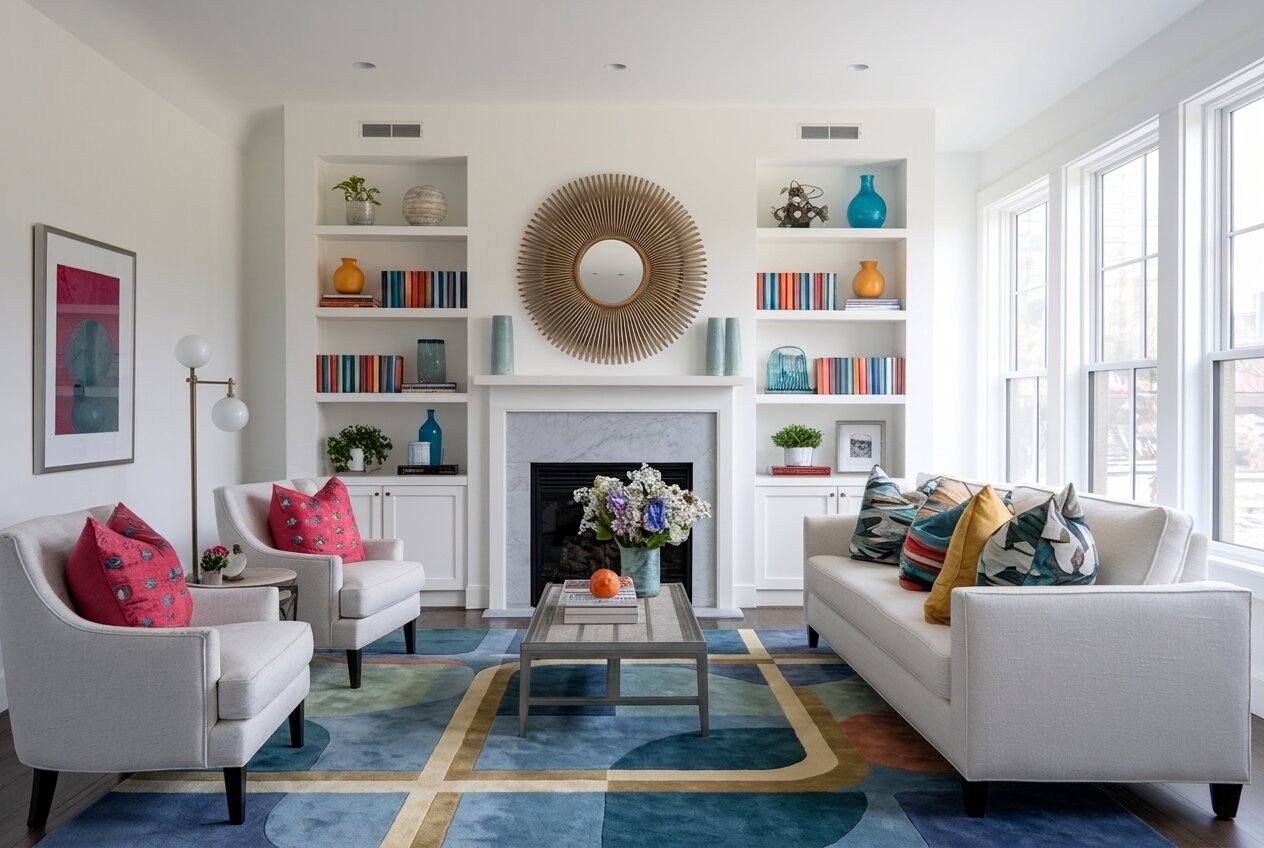
Color has the power to completely transform a living room. It sets the mood before a single piece of furniture is arranged. A room drenched in cobalt blue feels entirely different from one wrapped in terracotta or sage. Colorful living room ideas run the full spectrum—from layered jewel tones and sun-soaked citrus shades to earthy clay and moody forest greens. You don’t have to commit to a full repaint to make an impact. A vibrant sofa, a boldly printed rug, or even a single accent wall can bring energy and personality to any space. Whether you prefer a curated, gallery-like feel or an eclectic mix of pattern and texture, color is your most versatile decorating tool.
These colorful living room ideas show you exactly how to use color with confidence—on walls, furniture, and every decorative layer in between.
- 01 of 16
Go All-In on Cobalt Blue
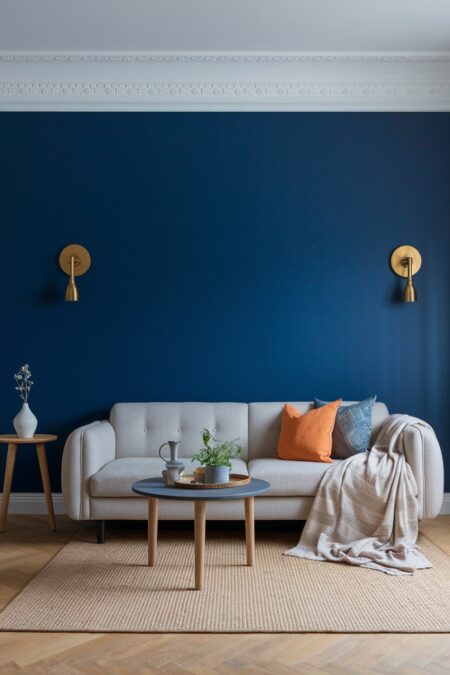
Deep cobalt blue walls create an immediate sense of drama. The key is balance. Pair the saturated hue with warm brass fixtures, a natural linen sofa, and light oak floors to prevent the space from feeling too heavy. Cobalt absorbs light in the evening and glows with richness. Add a few white ceramics and textural throws to soften the intensity without dulling the impact.
- 02 of 16
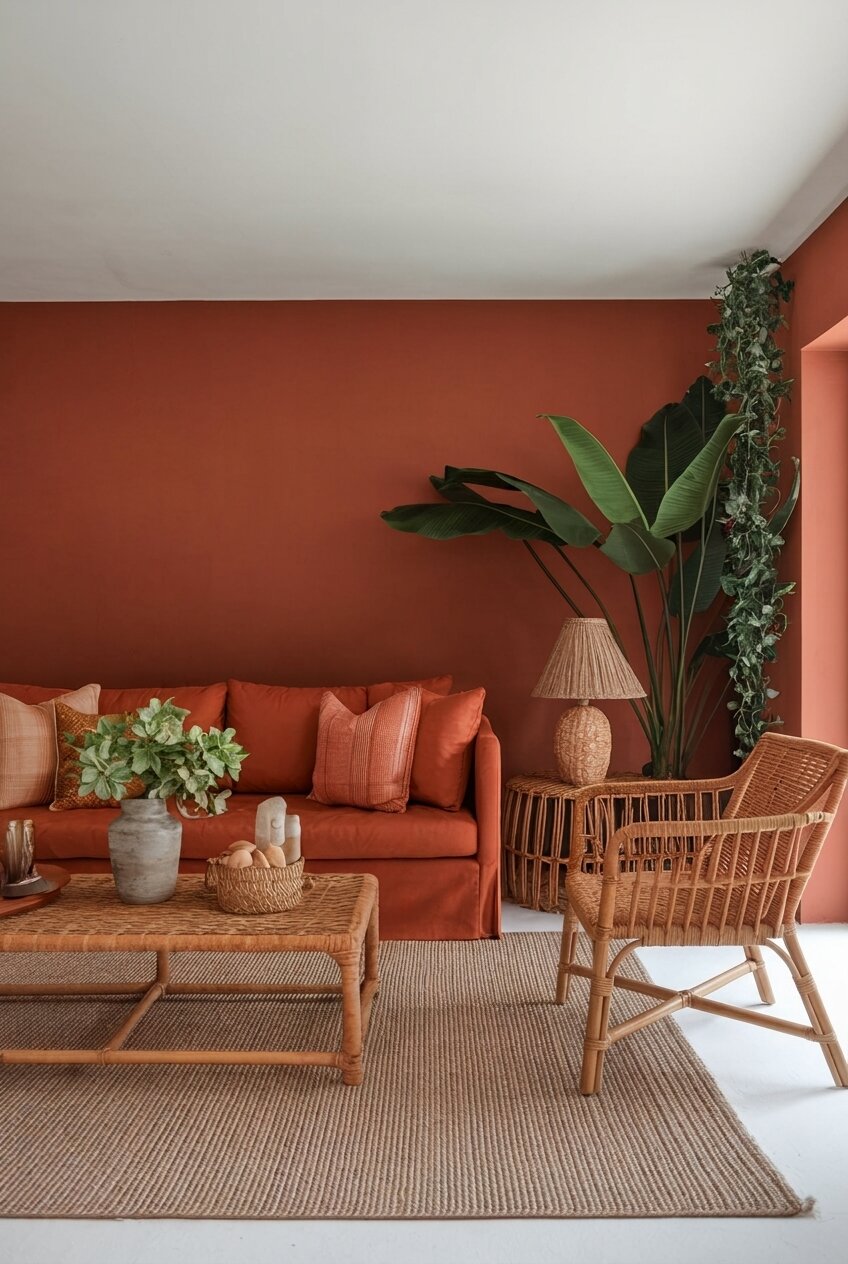
Embrace Terracotta Warmth
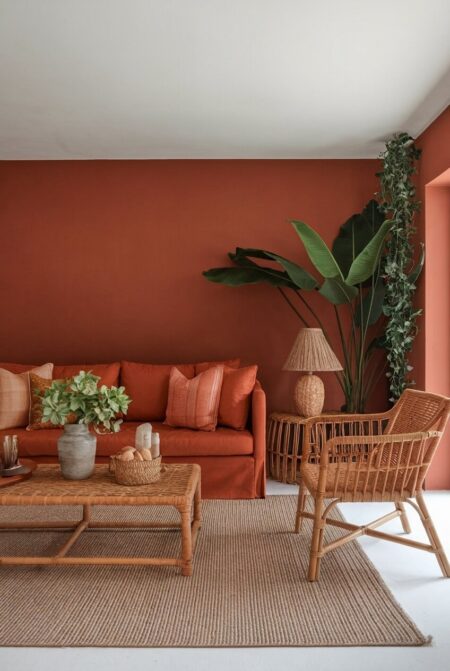
Few colors feel as grounding as terracotta. This earthy, warm-toned hue wraps a living room in the feeling of sun-baked adobe. Use it on walls alongside rattan furniture, woven textiles, and trailing plants for a look rooted in nature. Terracotta pairs beautifully with burnt sienna cushions and off-white plaster finishes. The combination is both cozy and effortlessly stylish.
- 03 of 16
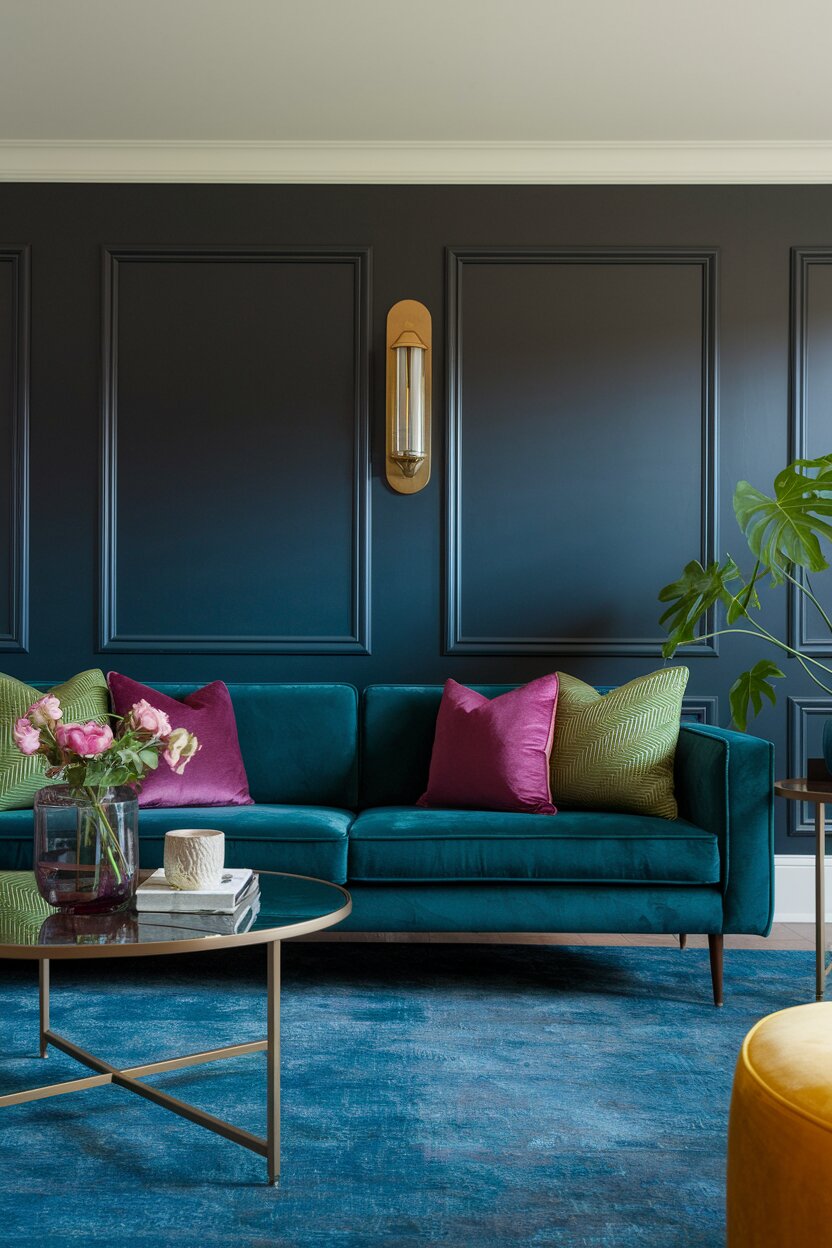
Layer Jewel Tones Throughout
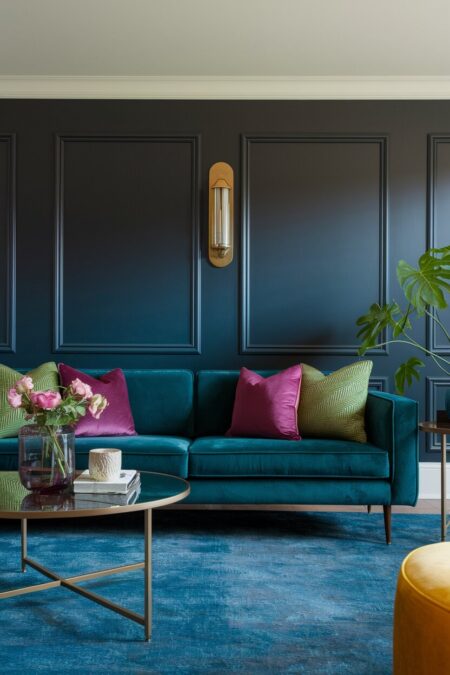
Jewel-toned living rooms look intentional when colors are carefully layered. Think deep amethyst pillows against an emerald sofa, with a sapphire blue area rug anchoring the space. Jewel tones (ruby, teal, plum, and gold) work together because they share a similar richness and depth. Keep walls in a warm neutral like warm white or dark charcoal to let the colors sing. Metallic accents in gold or bronze tie everything together with a touch of glamour.
- 04 of 16
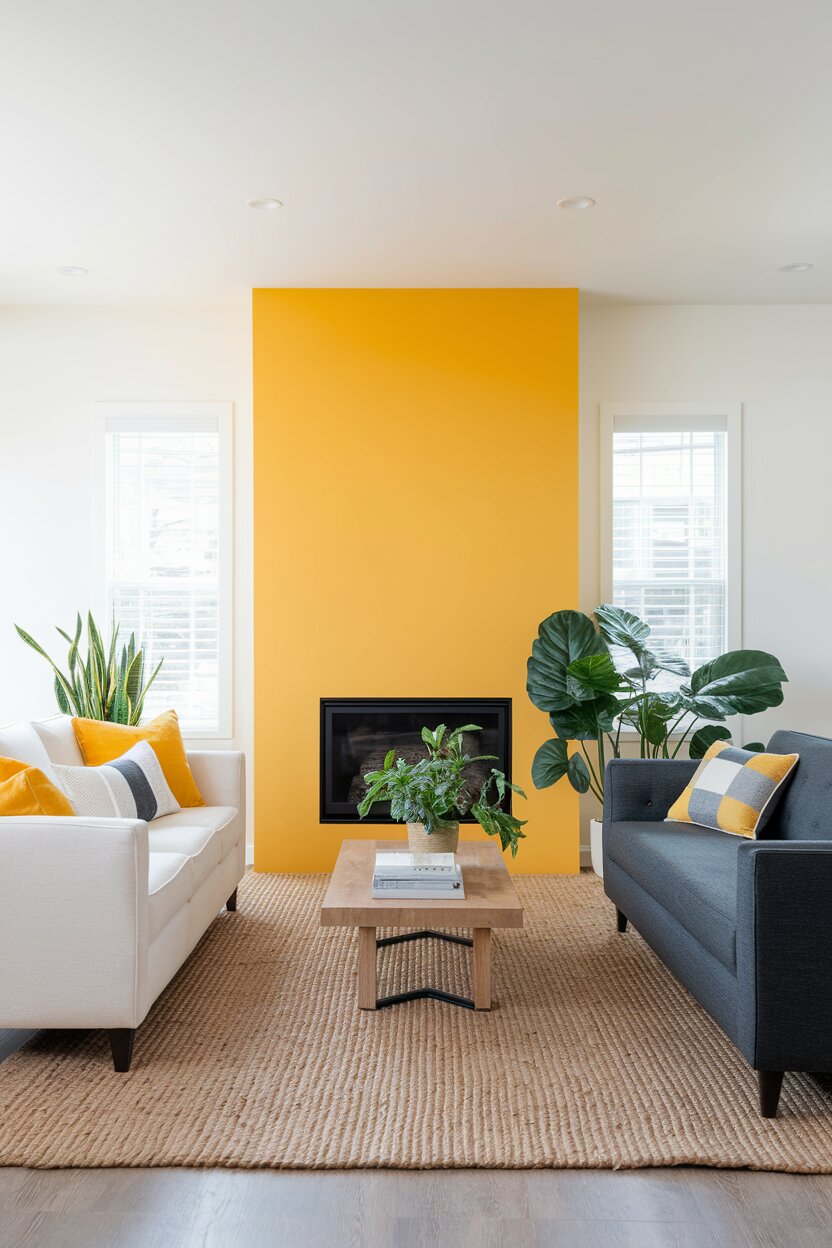
Try a Sunny Yellow Accent Wall
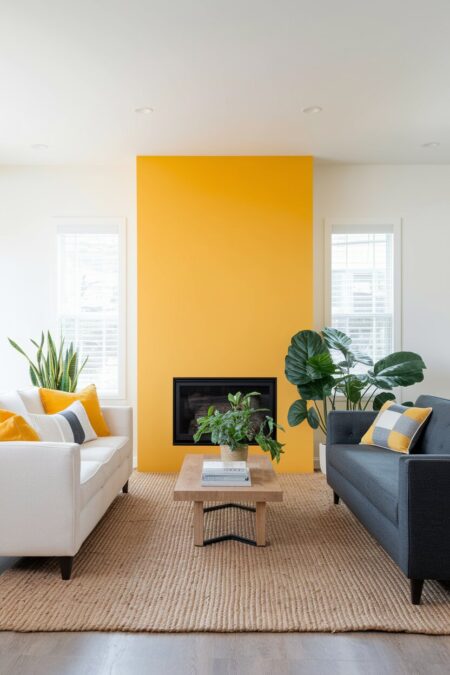
You don’t need to paint the entire room to make yellow work. A single sunny yellow accent wall injects warmth and optimism into an otherwise neutral living room. Place it behind the main sofa or fireplace for maximum impact. Keep surrounding walls in crisp white, and ground the palette with mid-tone wood tones and a natural jute rug. Yellow thrives alongside leafy green houseplants and charcoal gray upholstery for a balanced, cheerful look.
- 05 of 16
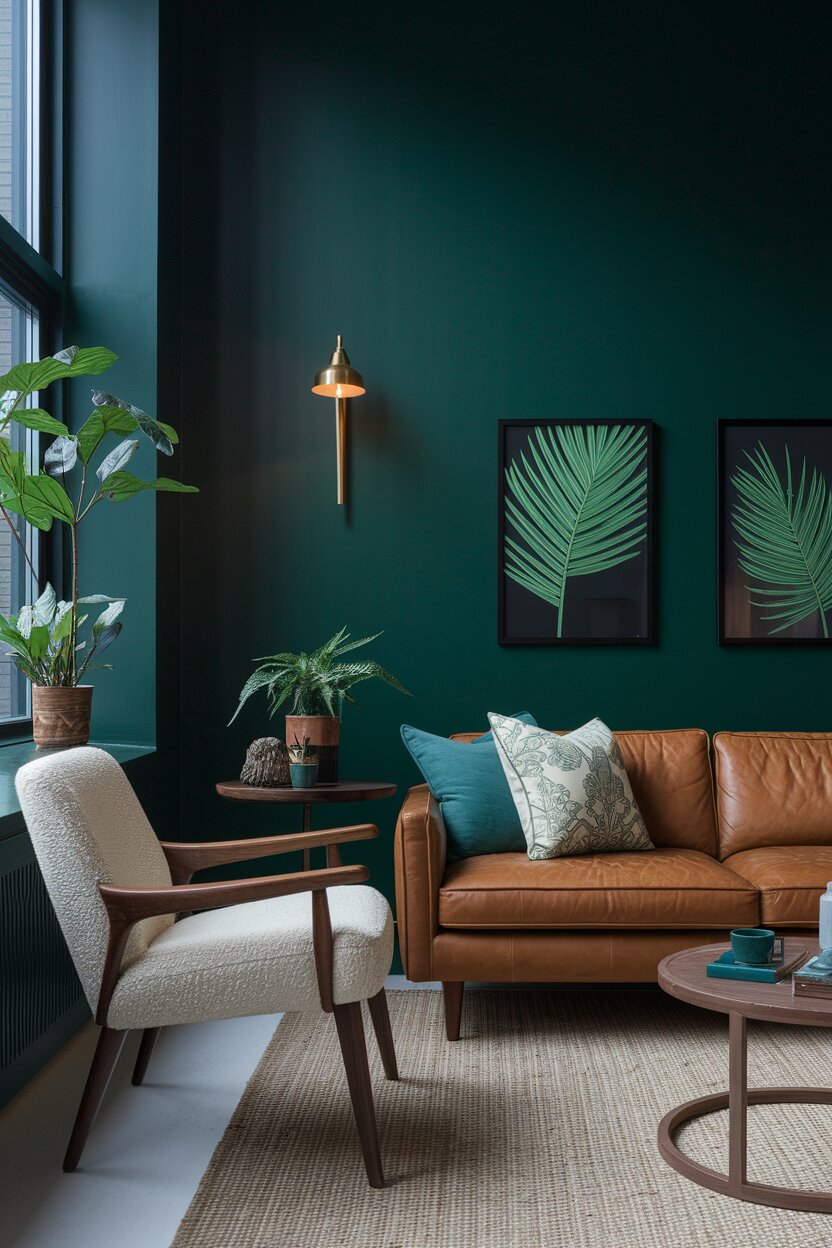
Use Forest Green for a Moody, Lush Feel
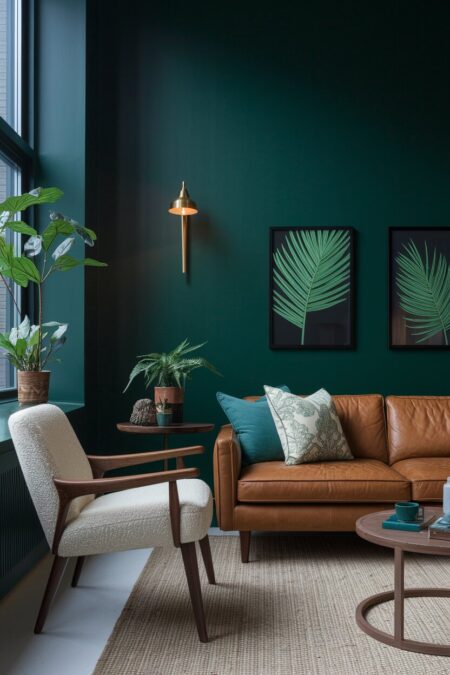
Dark forest green living rooms feel like stepping into a lush, private garden. The depth of the color creates an intimate, cocooning effect. It works especially well in rooms with high ceilings or large windows, where natural light prevents the space from feeling closed off. Complement the deep green with rich walnut furniture, cognac leather accents, and warm brass lighting. Botanical prints and soft cream textiles complete the nature-forward atmosphere.
- 06 of 16
Introduce Color Through a Statement Sofa
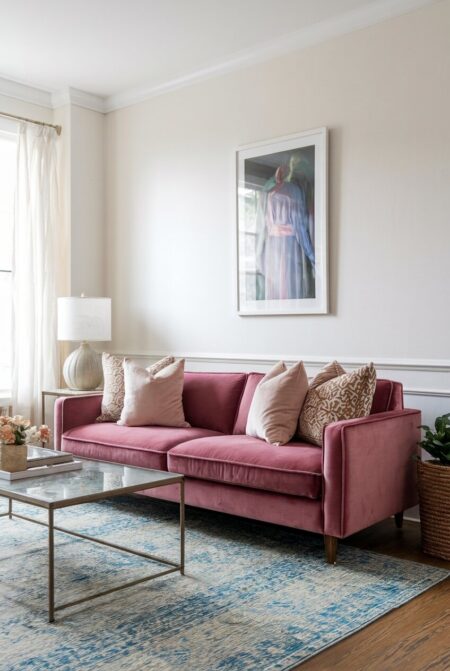
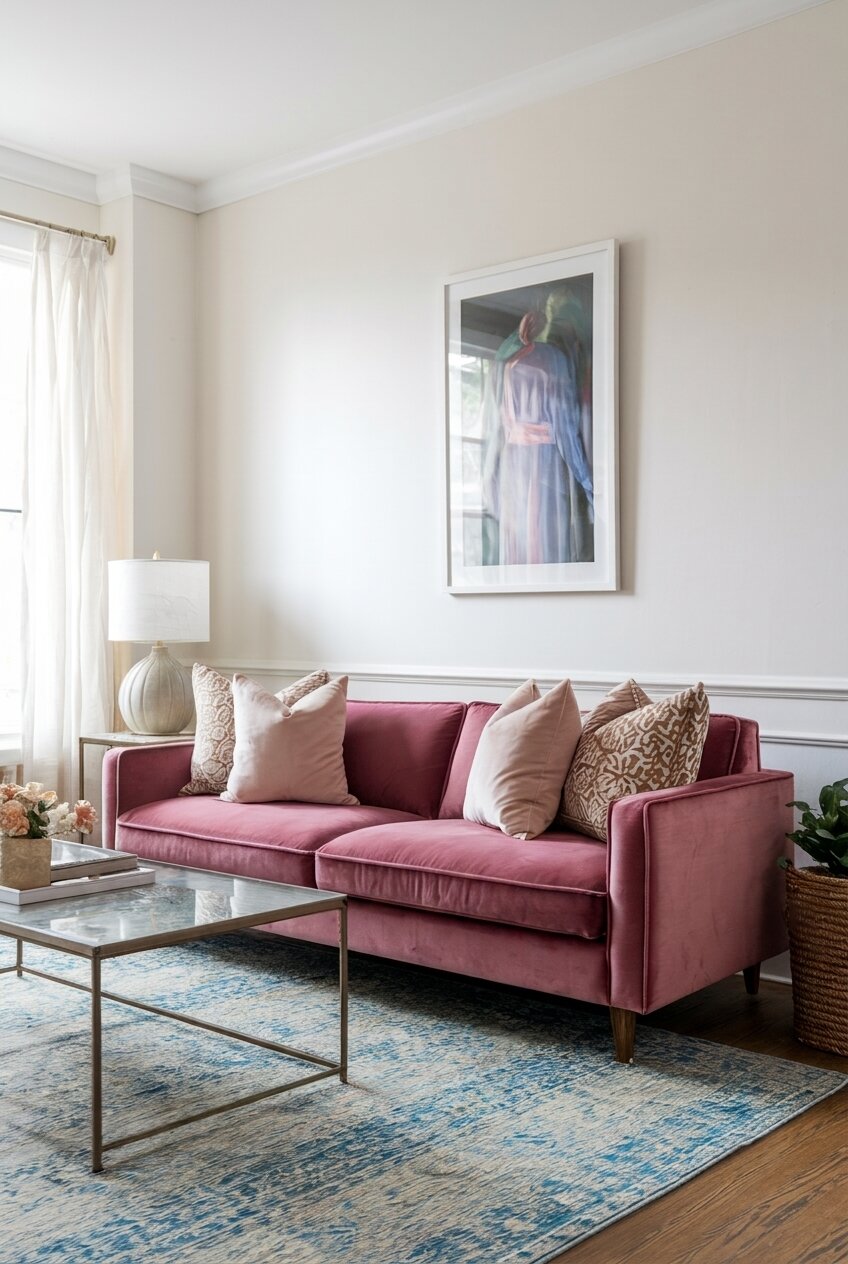
A colorful sofa is one of the easiest ways to anchor a living room with personality. An oversized velvet sofa in dusty rose, teal, or burnt orange becomes the undeniable focal point of any space. Build the rest of the room’s palette around it. Use the sofa’s color as a guide for choosing rugs, throw pillows, and artwork. Keep walls neutral so the piece truly commands attention. A bold sofa in a well-chosen color can make a plain room feel fully designed.
- 07 of 16
Play with Pink and Red Pairings
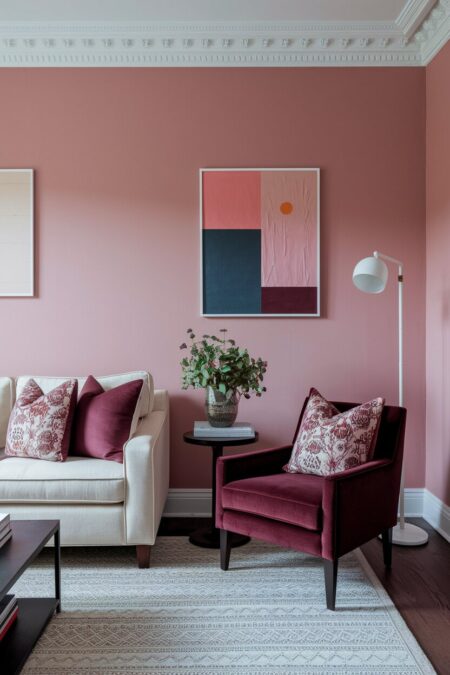
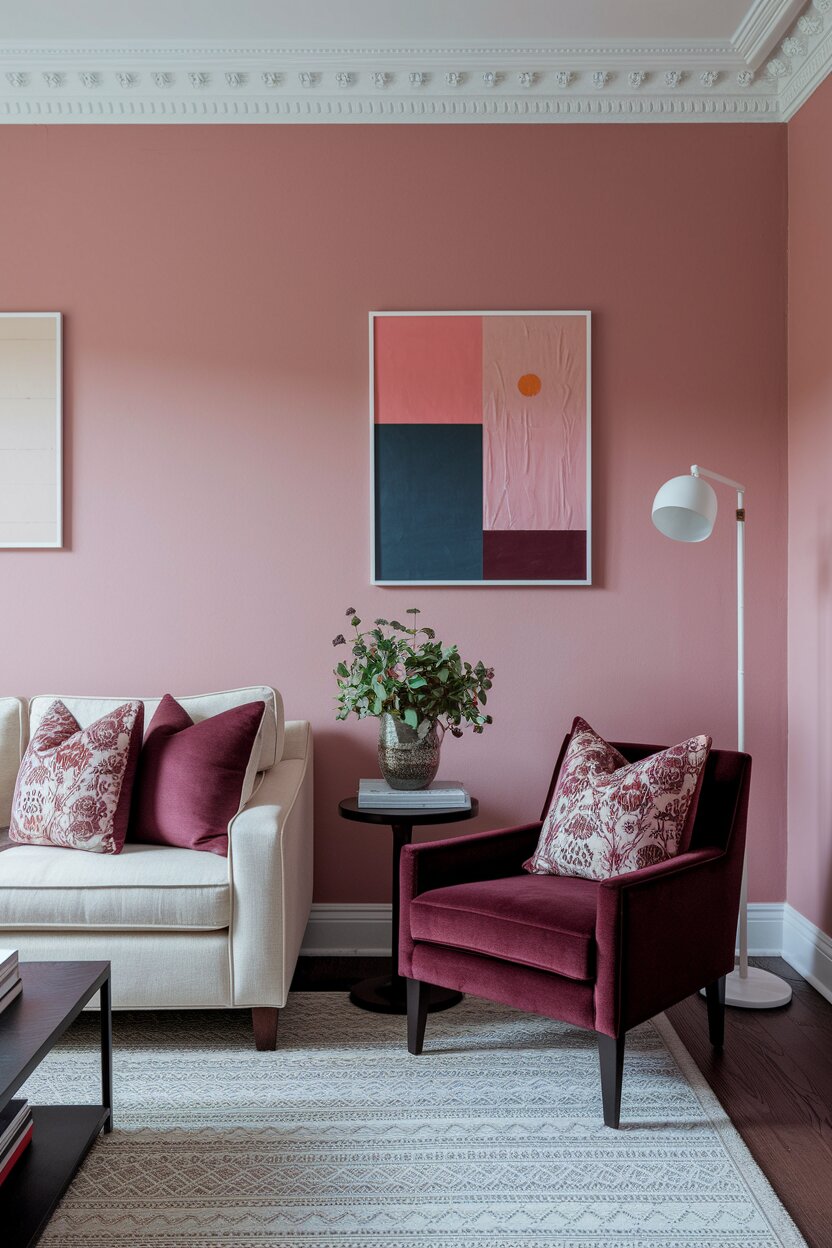
Warm pinks and energetic reds share a natural kinship. Pair a blush pink wall with a cherry red accent chair for a look that feels vibrant yet refined. This color combination works well in small sitting rooms where you want to create a sense of energy. Balance the warmth with cool white crown molding and a neutral area rug. Deeper shades of burgundy add sophistication and prevent the palette from reading as overly sweet.
- 08 of 16
Mix Teal and Mustard for a Retro Feel
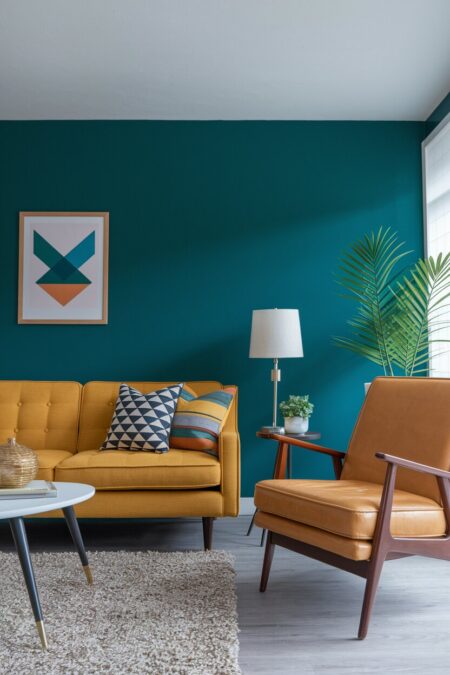
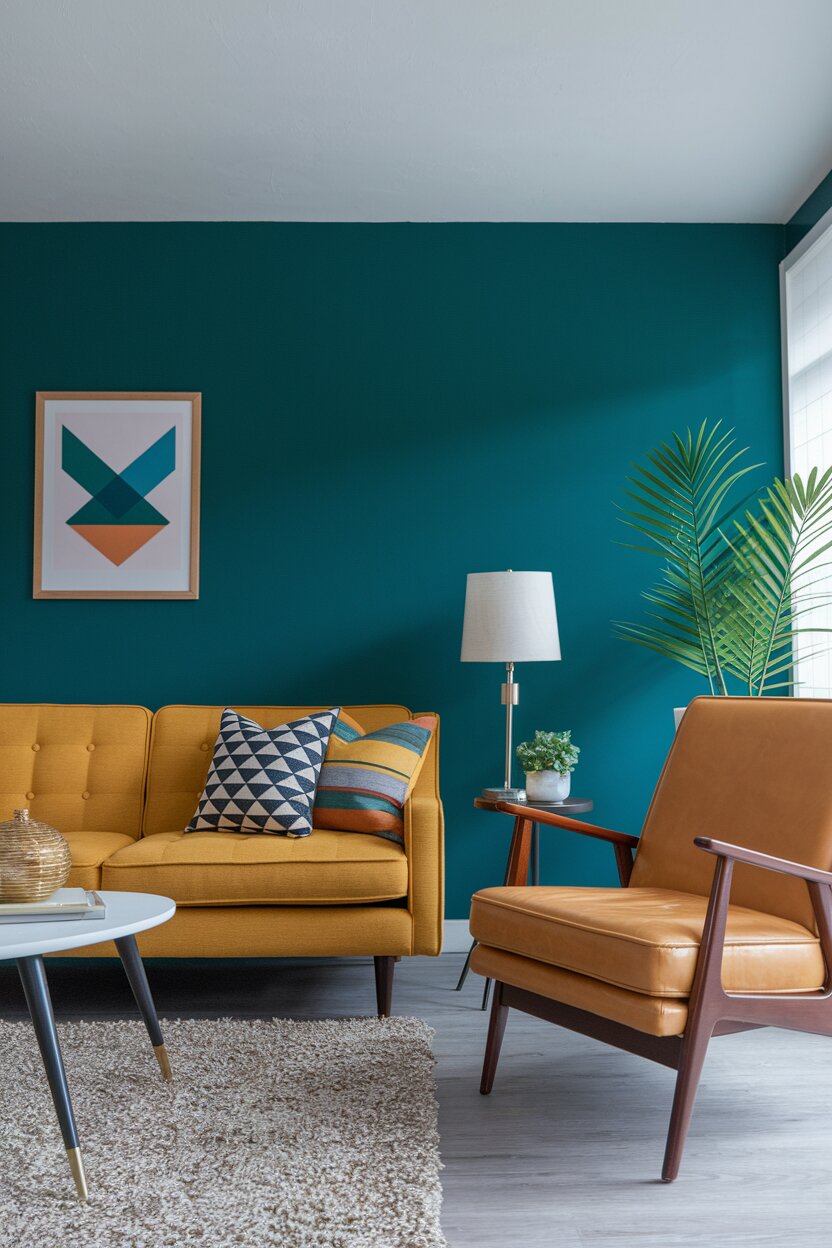
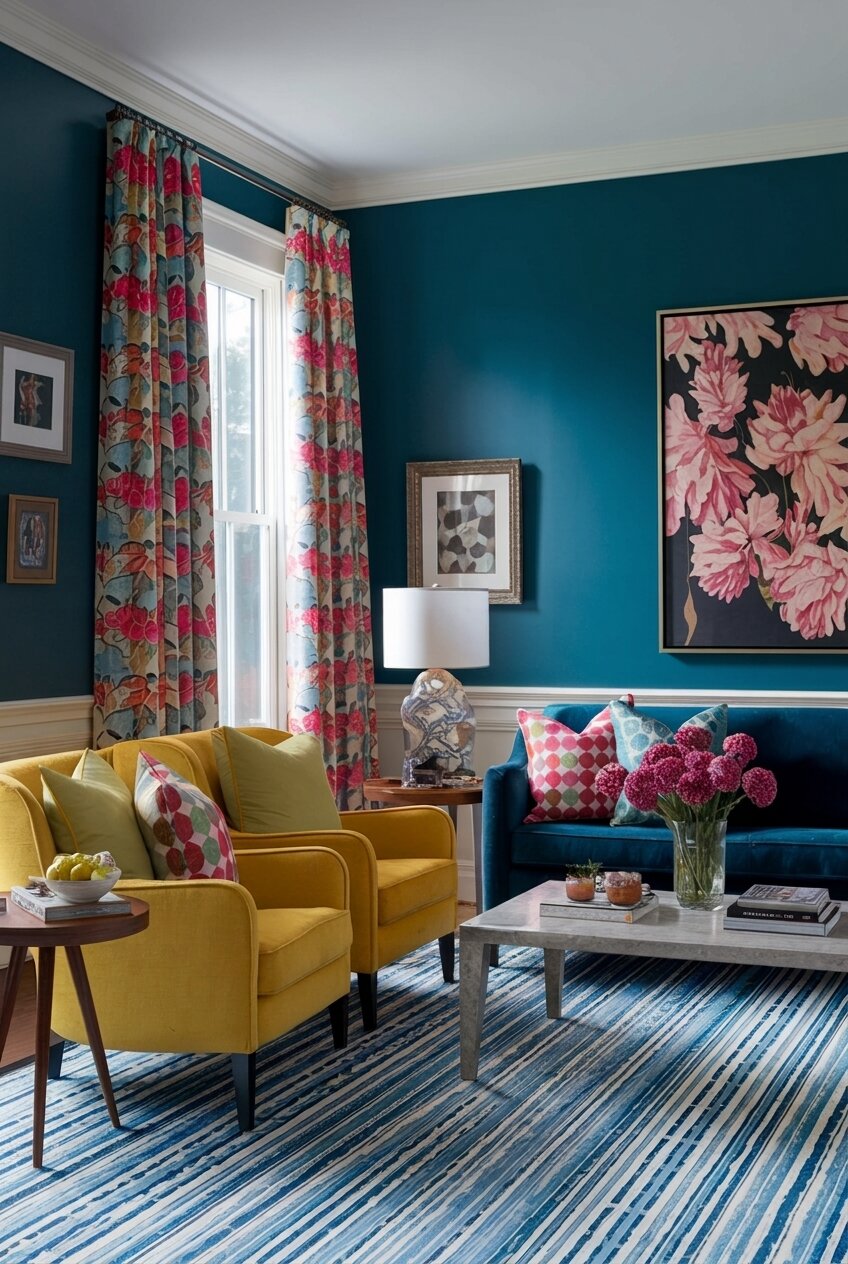
Teal and mustard yellow is a mid-century-inspired pairing that never goes out of style. This retro color combination feels both warm and cool simultaneously. A teal-painted wall sets a vibrant backdrop for mustard upholstery and vintage-style wooden furniture. Add geometric-patterned cushions and a shag rug for extra texture. The look is fun, confident, and surprisingly versatile—working equally well in modern or traditionally styled homes.
- 09 of 16
Let Colorful Artwork Lead the Palette
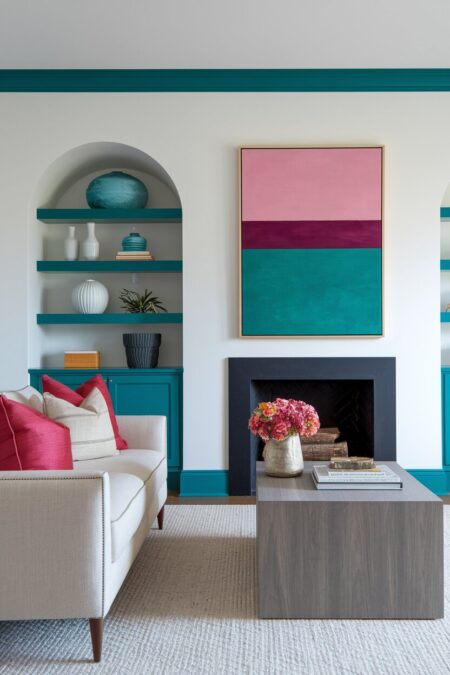
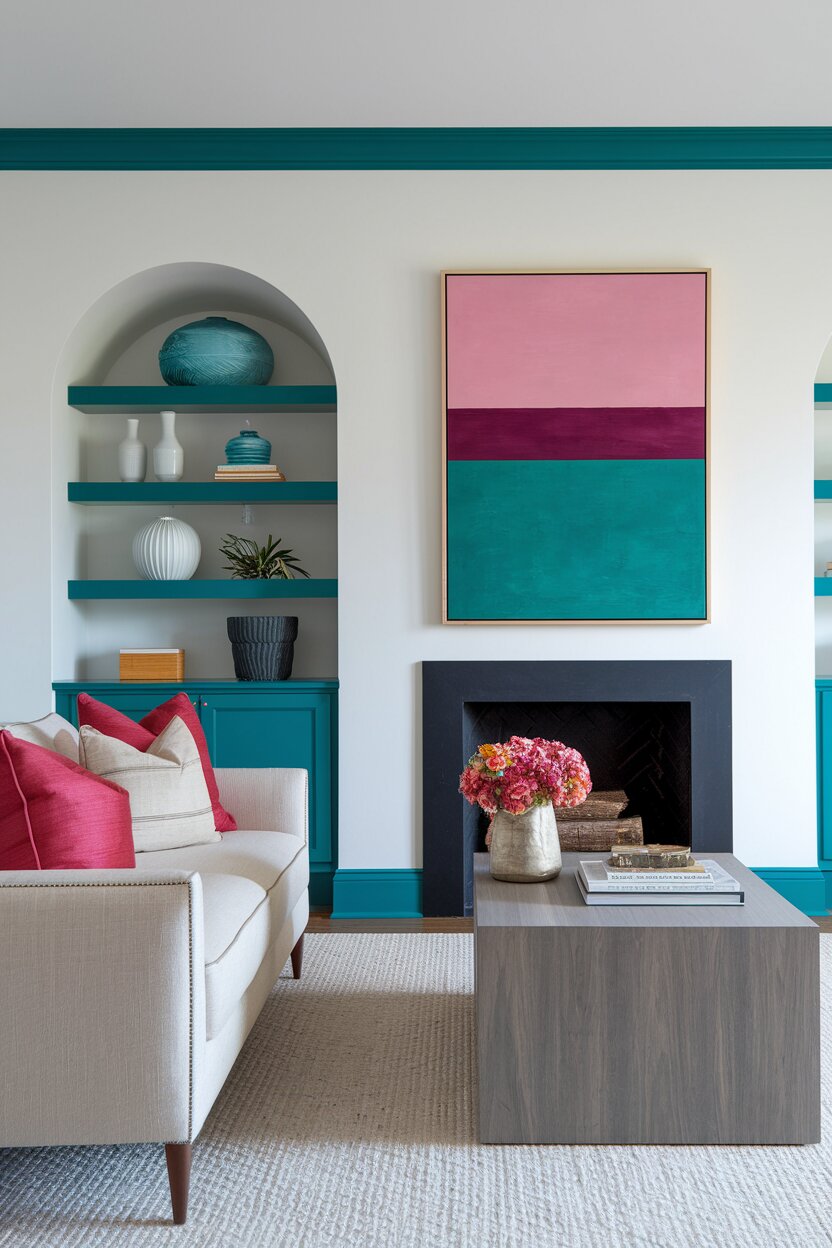
A large, colorful piece of artwork can dictate the entire color story of a living room. Start with a painting or print you love, then pull two or three of its most prominent colors into the room’s furnishings and decor. This method creates a cohesive result without feeling forced or overly coordinated. Hang the artwork at eye level above a sofa or fireplace. Repeat its colors in throw pillows, a vase, or even the trim color for a unified, gallery-worthy effect.
- 10 of 16
Create a Maximalist Colorful Living Room
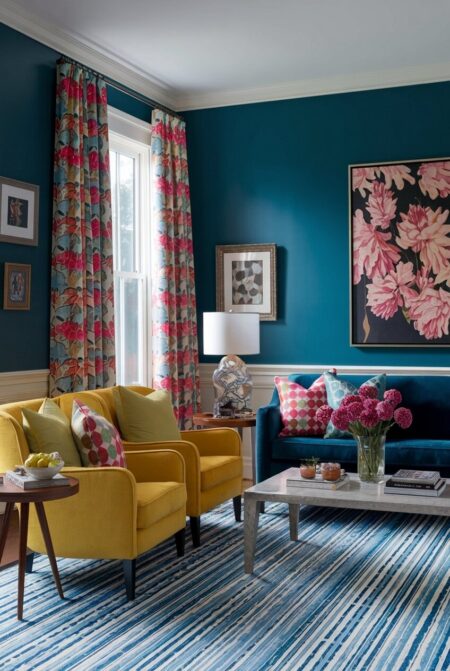
Maximalism is not the same as chaos. The key to a maximalist colorful living room is intention. Choose three to four colors and repeat them throughout the space in varying proportions. Use one dominant color for walls, a secondary color for larger furniture, and accent colors for cushions, art, and accessories. Vary the scale of patterns—pair a large floral print with a small geometric to avoid visual noise. The result should feel collected and personal, not cluttered.
- 11 of 16
Warm Up the Room with Spicy Orange
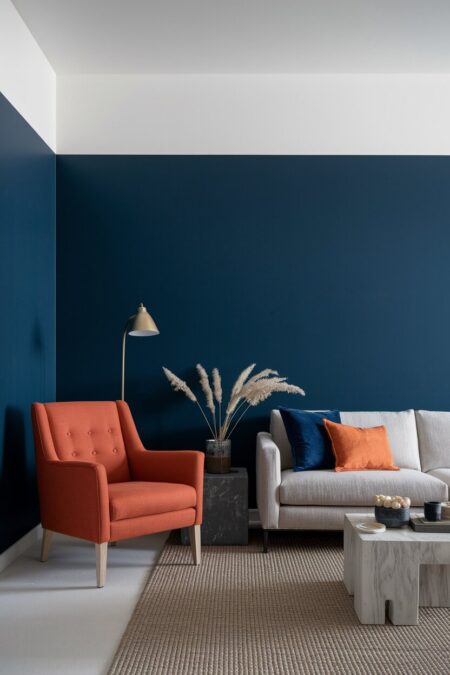
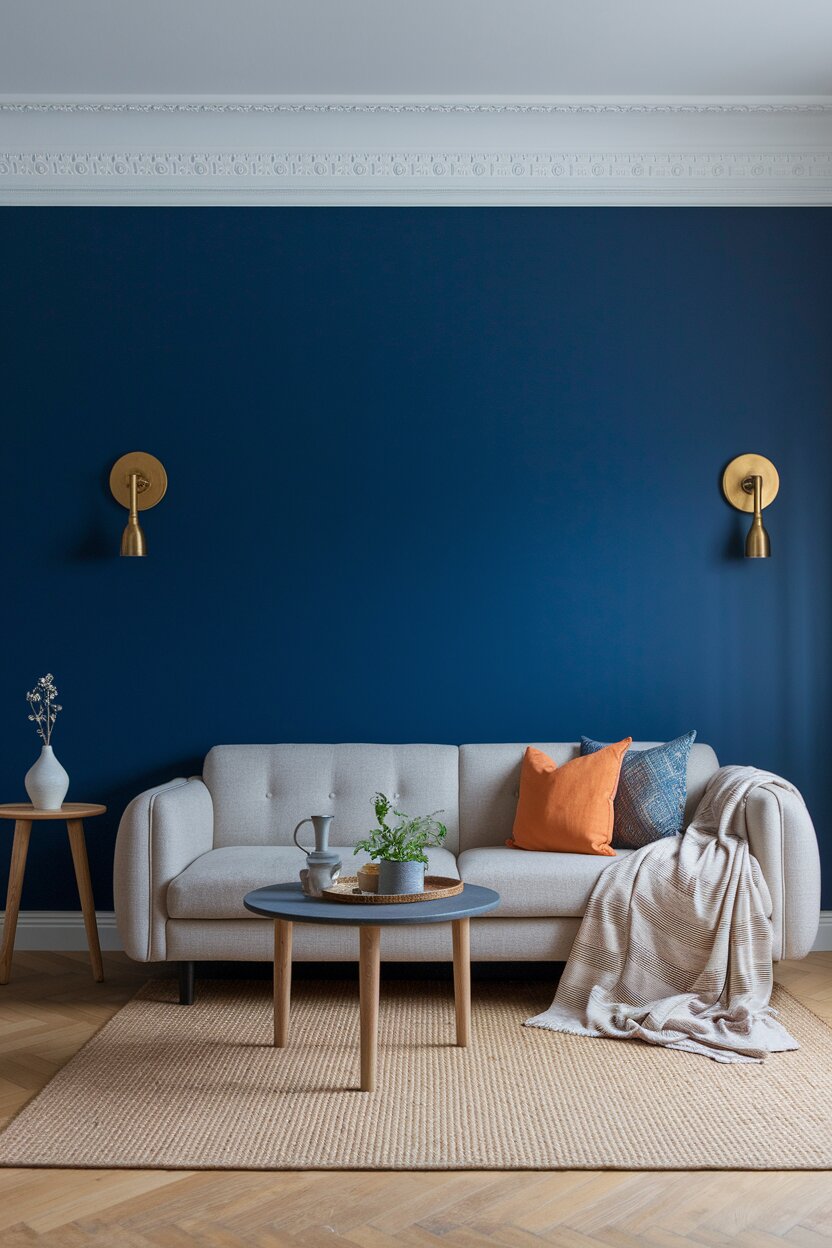
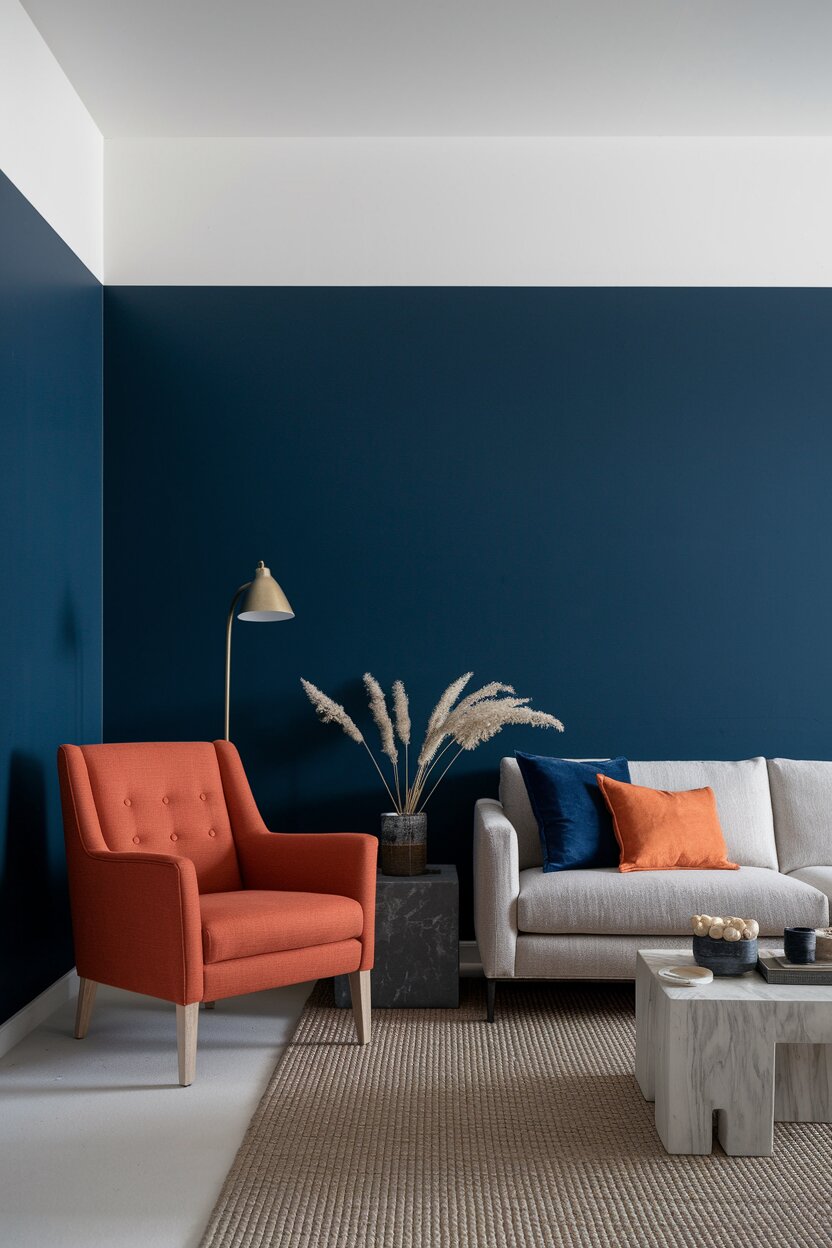
Orange is a polarizing color in interiors, but when used well, it radiates warmth and energy. Burnt orange and saffron shades are especially flattering in low-light rooms. Try orange on a single wall or choose it for a pair of armchairs flanking a neutral sofa. Deep indigo or navy blue are orange’s most powerful complementary colors — the two colors create a striking contrast inspired by a desert sunset. Layer in natural textures like sisal and raw linen to keep the look grounded.
- 12 of 16
Add Color Through Patterned Rugs
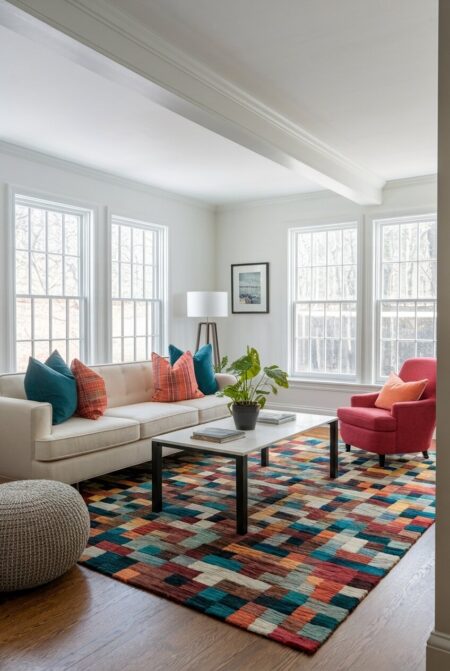
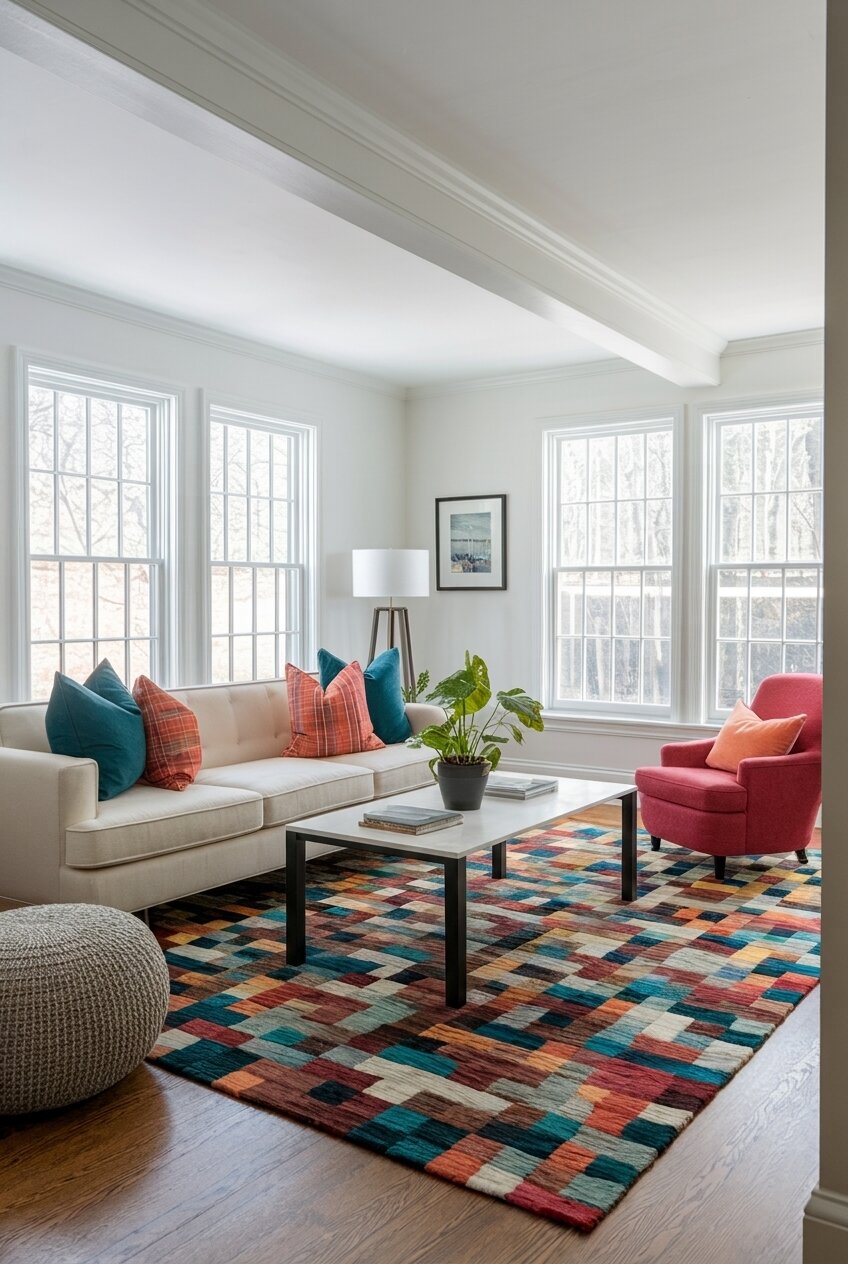
A boldly patterned rug is one of the most forgiving ways to introduce color into a living room. It anchors the seating area and creates a foundation for the rest of the palette. Choose a rug with at least two or three colors, then pull those colors into your throw pillows and accessories. This approach works beautifully in rooms where you want color but aren’t ready to commit to painted walls. It also adds the warmth of texture underfoot.
- 13 of 16
Consider Colorful Wallpaper for Instant Impact
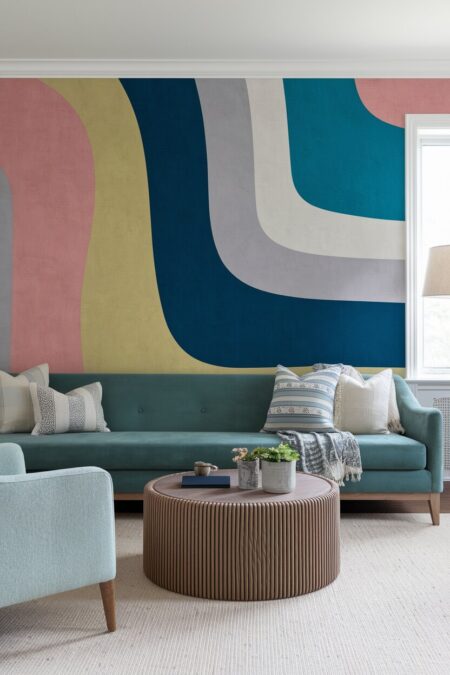
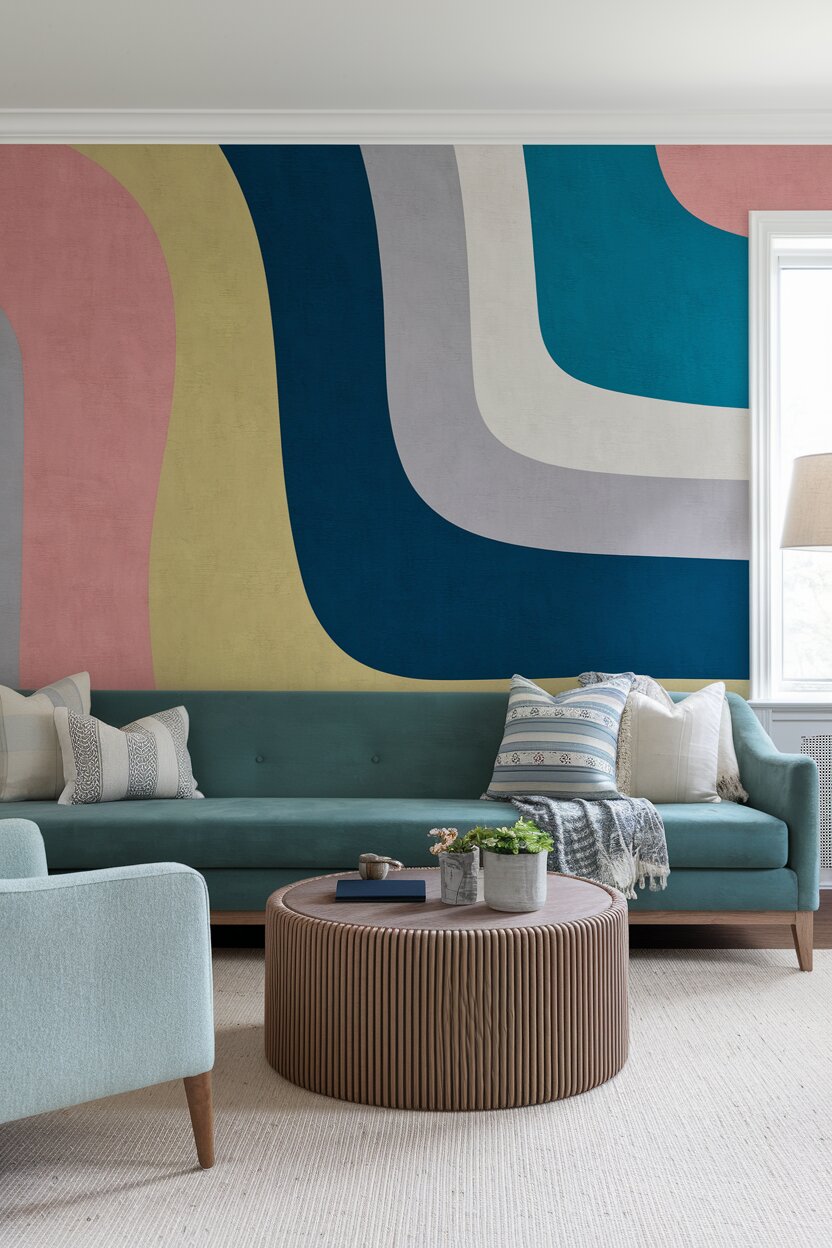
Wallpaper has made a strong comeback, and for good reason. A single wall of colorful, patterned wallpaper transforms a living room instantly. Botanical prints, bold geometrics, and abstract murals all work beautifully in living spaces. Apply it to the wall behind a sofa or bookcase for a curated, intentional look. Keep furniture colors consistent with two or three shades pulled directly from the wallpaper’s palette. The result feels rich and layered without requiring major renovation.
- 14 of 16
Bring in Color with Plants and Botanicals
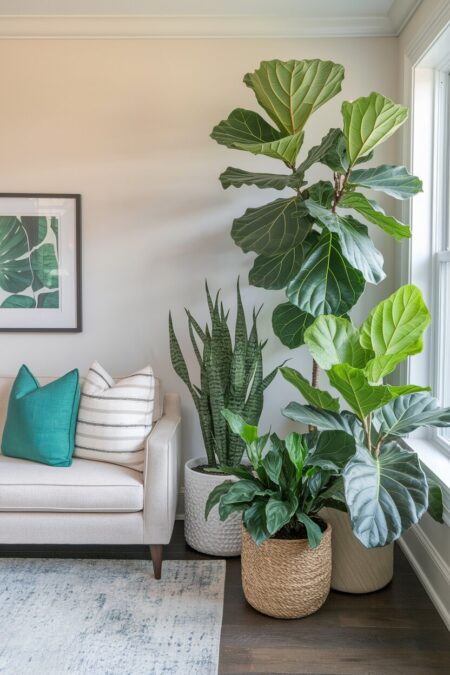
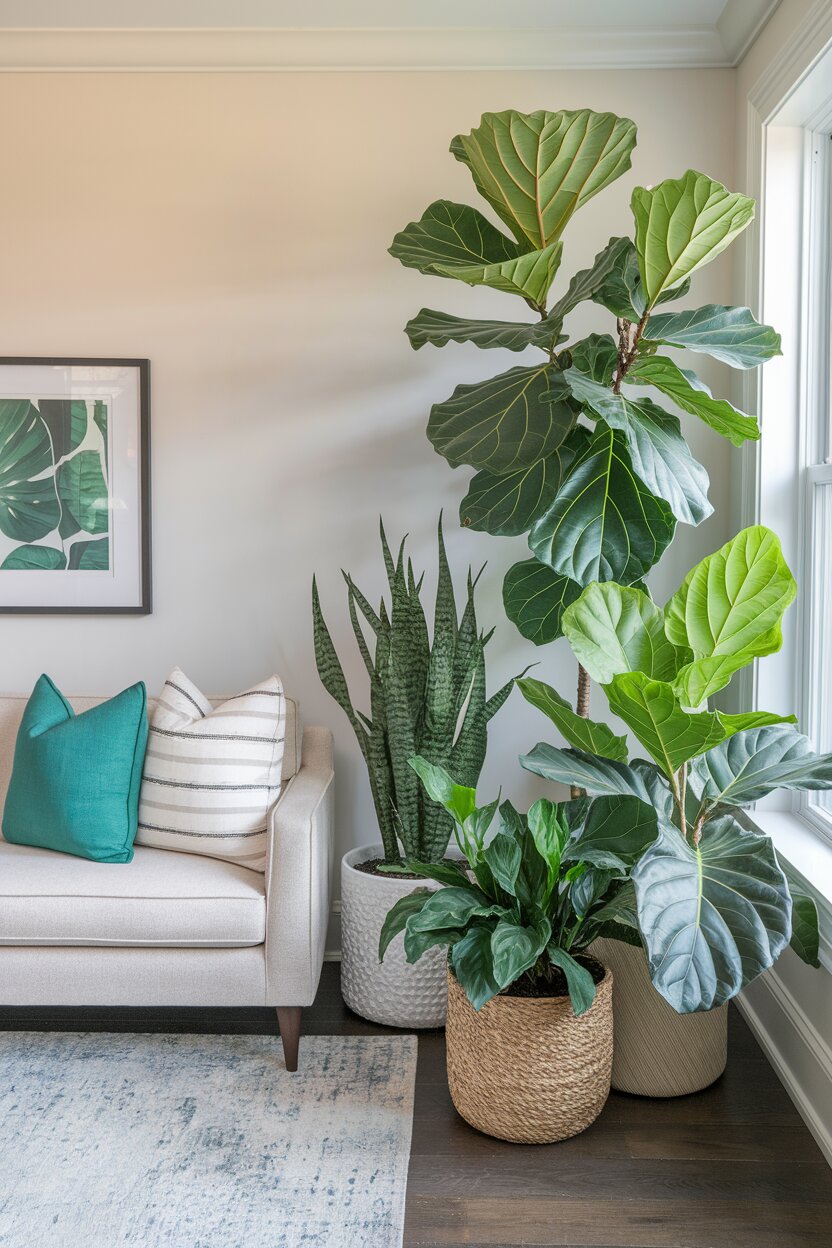
Living color belongs in a living room. Large tropical plants and lush foliage introduce natural green tones that feel vibrant without being overwhelming. Combine different plant varieties to create a mix of leaf shapes, sizes, and textures. A towering fiddle-leaf fig beside a trailing pothos and a sculptural monstera creates a verdant, color-rich corner. Pair botanical greens with warm neutrals and natural wood to complete the nature-infused look. Plants also improve the air quality—a bonus that paint simply cannot offer.
- 15 of 16
Try a Two-Tone Color Scheme on the Walls
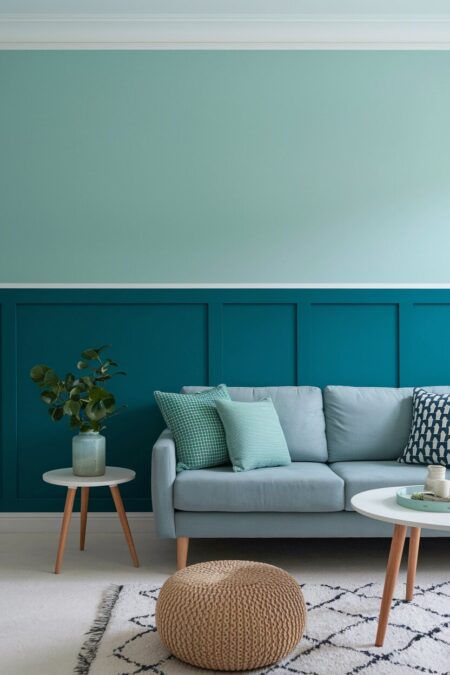
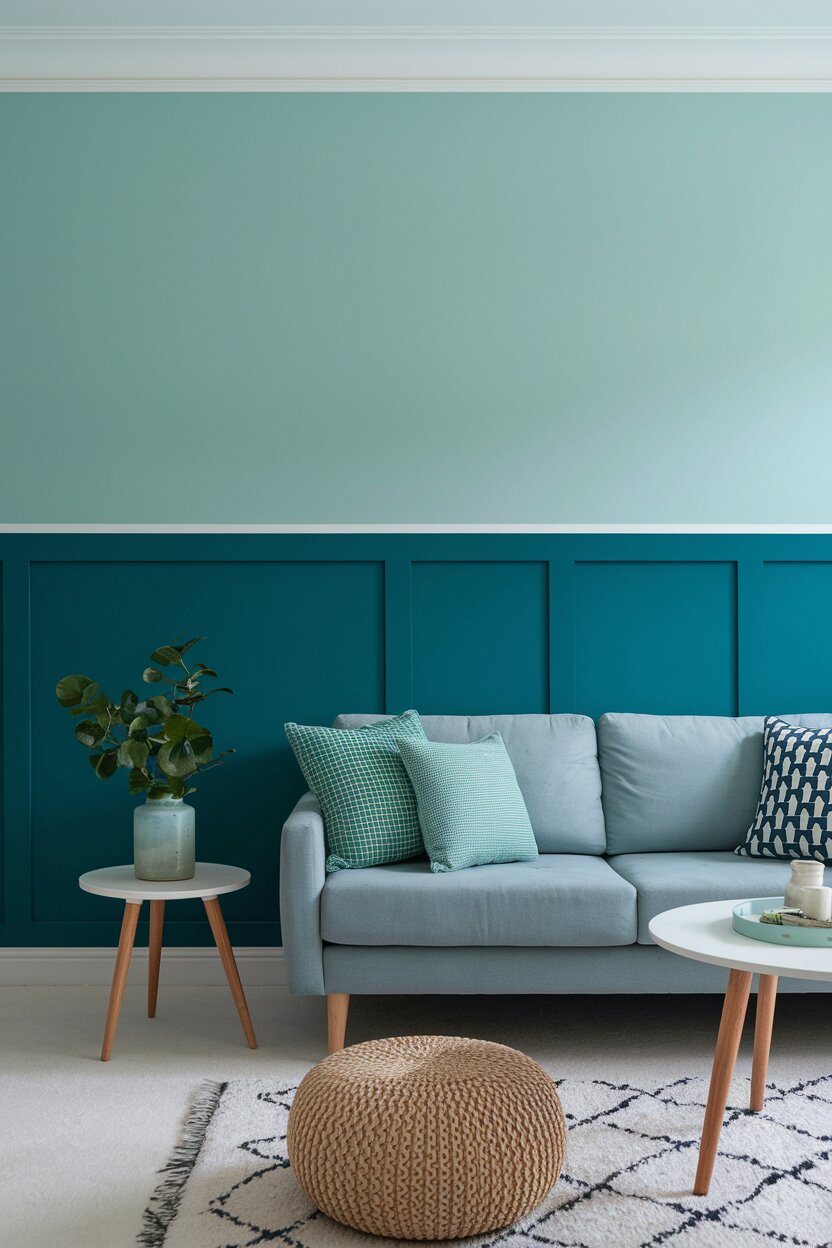
Two-tone walls add architectural interest and color simultaneously. Paint the lower half of the wall in a saturated hue and the upper half in a lighter, complementary shade. A bold teal below and soft seafoam above creates a calming yet vibrant effect. Alternatively, use a warm terracotta on the lower panels and a creamy warm white above for a modern take on traditional wainscoting. Divide the two tones with a thin painted stripe or a simple picture rail for a polished finish.
- 16 of 16
Build a Colorful Living Room Around Blue and White
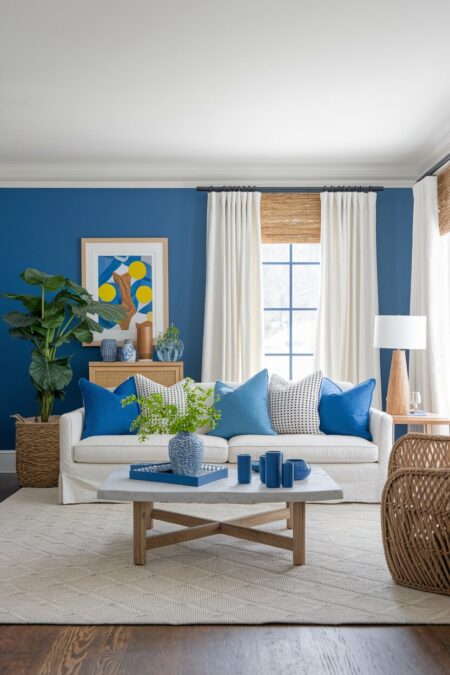
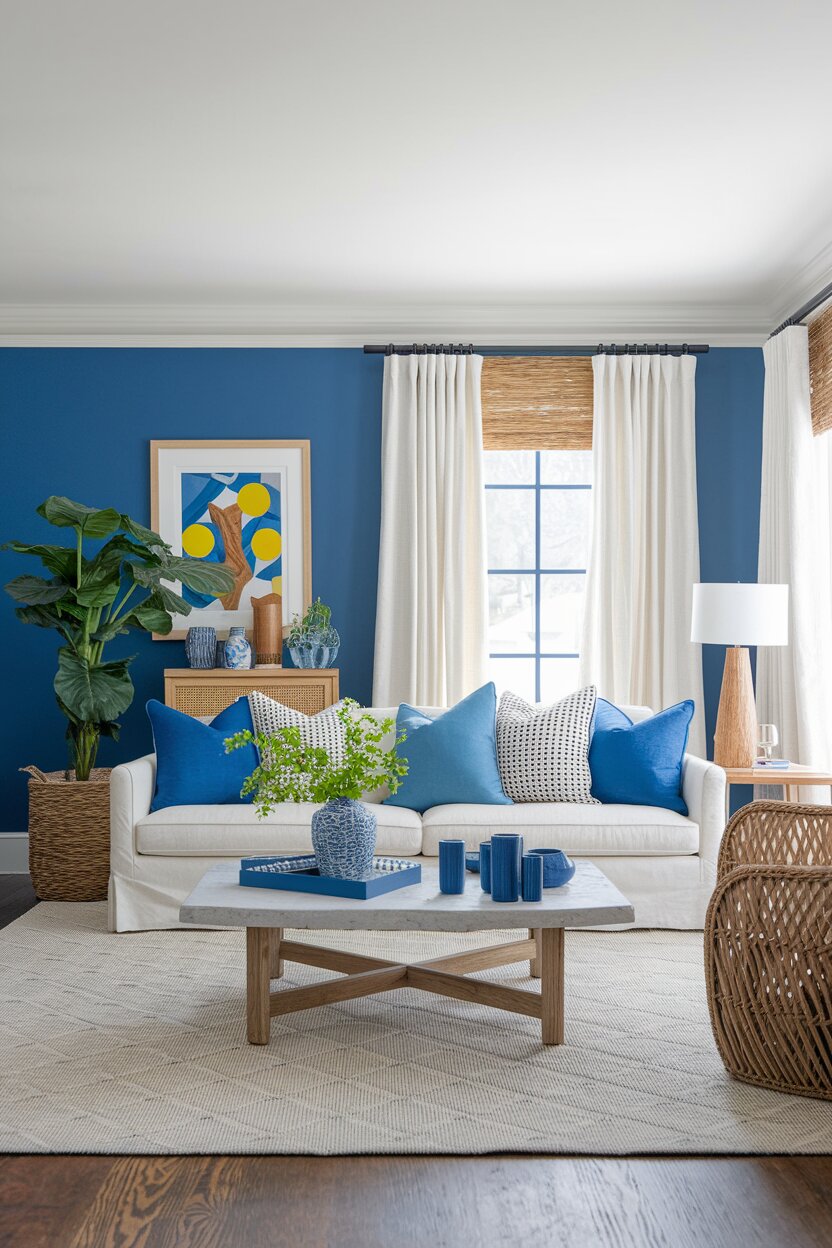
Blue and white is a timeless pairing with endless interpretations. Navy and bright white feel crisp and nautical. Cornflower blue and ivory lean soft and romantic. Indigo and chalk white take on a more artistic, bohemian tone. Whichever combination you choose, this classic duo brings a sense of order and calm to a colorful living room. Introduce texture through cobalt blue ceramics, printed cushions, and white linen drapery. Touches of wicker and natural wood add warmth and prevent the palette from feeling too cool.
How to Choose Your Colorful Living Room Palette
Choosing a color for your living room does not have to be intimidating. Start with a color you are genuinely drawn to—one you would happily look at every day. Consider the natural light in your space. Warm-toned rooms benefit from cool blues and greens, while north-facing rooms with limited sunlight welcome warm yellows, oranges, and reds. Think about the mood you want to create. Energetic and social spaces thrive with warm, vivid colors, while calm, restful rooms benefit from cooler, more muted palettes.
Test paint samples on your actual wall before committing. Colors look different under artificial light than in daylight, and what appears perfect on a swatch may shift dramatically in context. Most importantly, trust your instincts. The best colorful living rooms reflect the personalities of the people who live in them.