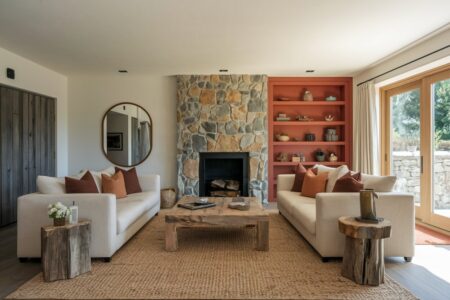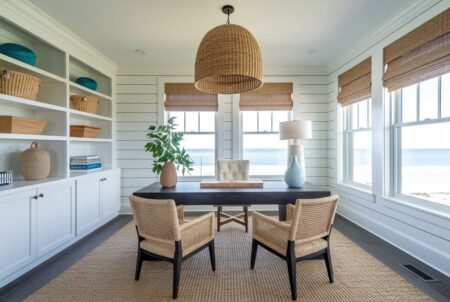

Mid-century modern interior design remains one of the most influential movements in the world of home aesthetics. While it originated decades ago, its clean lines and functional approach continue to dominate contemporary living spaces.
Whether you are a seasoned collector or a curious homeowner, understanding the roots of this movement helps you create a space that feels both nostalgic and fresh.
DEFINITION
Mid-Century Modern (MCM) is a design movement in interior, product, graphic design, and architecture that flourished from roughly 1945 to 1969. It is characterized by clean lines, organic silhouettes, a juxtaposition of different materials, and a focus on "form following function."
The Evolution of Mid-Century Modern Style
The mid-century modern style didn’t appear in a vacuum. It was a response to the post-World War II era. People wanted a fresh start. They moved away from the ornate, heavy styles of the past. Designers began experimenting with new materials like plastic, plywood, and aluminum.
The goal was simple. Create beautiful, high-quality furniture that the average family could afford. This period gave birth to “democratic design.” Icons like Charles and Ray Eames or Hans Wegner became household names. Their work redefined how we interact with our furniture.
Key Characteristics of Mid-Century Modern Interior Design

To master the mid-century modern interior design style, you must understand its core pillars.
- Functionality is King: Every piece of furniture serves a purpose. If it doesn’t add value to the room’s utility, it likely doesn’t belong.
- Geometric and Organic Forms: You will see a mix of hard edges and soft, curved shapes. Think of a rectangular sofa paired with a kidney-shaped coffee table.
- Minimalist Aesthetic: MCM interior design avoids unnecessary clutter. It focuses on the beauty of the materials rather than applied ornamentation.
- Juxtaposition of Materials: This style loves to mix things up. You might see natural teak wood alongside man-made fiberglass or vinyl.
- Connection to Nature: Large windows and indoor plants are essential. The goal is to blur the line between the indoors and the outdoors.
Essential Color Palettes in MCM Interior Design
Color plays a huge role in mid-century modern design. It often starts with a neutral base. Think warm whites, grays, or browns. Then, you add “pops” of saturated color.
Popular accent colors include:
- Mustard Yellow
- Avocado Green
- Burnt Orange
- Teal or Robin’s Egg Blue
Tips for Incorporating Mid-Century Modern Interior Design Into Your Home

You don’t need to live in a 1950s ranch to enjoy this look. Here is how to achieve the MCM interior design vibe in a modern setting.
Start Small with Statement Pieces
Don’t buy a whole set of matching furniture. Look for one “hero” piece. This could be a sideboard with tapered legs or an Eames-style lounge chair.
Focus on Lighting
Lighting is the jewelry of the mid-century modern style. Look for Sputnik chandeliers or Arc floor lamps. Brass and matte black finishes are perfect choices for these fixtures.
Embrace Wood Tones
Teak, walnut, and oak are the stars of the show. The wood should have a warm, natural finish. Avoid overly distressed or painted wood if you want to stay true to the era.
Keep the Windows Bare
If privacy allows, keep window treatments minimal. This allows natural light to highlight the wood grains and textures of your furniture.
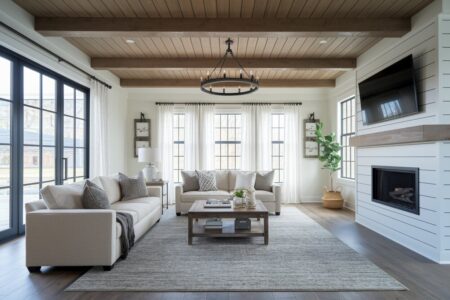
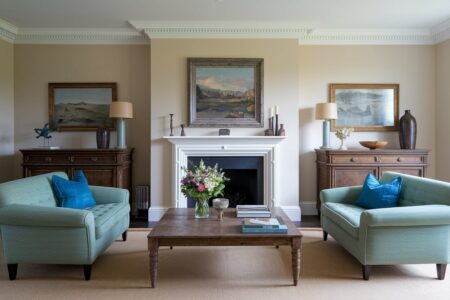
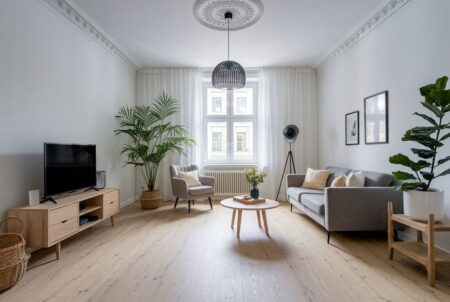
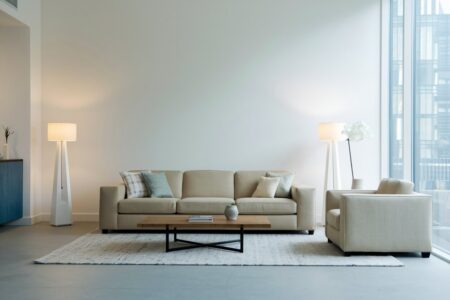
Check out some ideas on how you can incorporate this interior style into your home:
Examples of Iconic Mid-Century Modern Furniture
Certain pieces have become synonymous with mid-century modern design. Recognizing these can help you source the right items for your home.
Tulip Table

Designed by Eero Saarinen, this table eliminated the “forest of legs” found under traditional tables.
Egg Chair

Arne Jacobsen created this piece to provide a sense of privacy in public spaces.
Sunburst Clock

A classic wall accessory that adds a geometric punch to any room.
Why Mid-Century Modern Design Stays Relevant
Why do we still love mid-century modern style? It’s because it fits our modern lifestyle. Our homes are smaller, and we value efficiency. The slim profiles of MCM furniture make rooms feel larger.
The quality of the original designs also plays a factor. These pieces were built to last. Today, many people prefer “slow furniture” over disposable options. Investing in a mid-century piece is an investment in a piece of history.
FAQ About Mid-Century Modern Style
Is mid-century modern the same as retro?
Not exactly. “Retro” is a broad term for anything from the past. Mid-century modern refers specifically to the design movement between the mid-40s and late-60s.
Can I mix MCM with other styles?
Absolutely. It pairs beautifully with Industrial, Scandi, or Bohemian styles. The clean lines of MCM act as a great anchor for more eclectic rooms.
Is mid-century modern expensive?
Original vintage pieces can be pricey. However, many brands offer high-quality “re-editions” or inspired pieces that fit various budgets.
What is the best flooring for this style?
Polished concrete, terrazzo, or simple hardwood floors work best. If you want carpet, go for a low-pile or a shag rug in a geometric pattern.
Final Thoughts on Mid-Century Modern Style
Mid-century modern interior design is more than just a trend. It is a philosophy of living. It encourages us to live with less, but better. By focusing on quality, light, and natural materials, you can create a home that feels timeless and sophisticated.
Start with one piece you love. Let the room grow from there. The beauty of mid-century modern is that it evolves with you.