The challenge of maintaining a cozy home often collides with the practical reality of managing bulky linens. Whether you are dealing with thick winter duvets or a growing collection of decorative throws, finding the right home for these items is essential for a clutter-free environment. Strategic blanket organization not only preserves the integrity of the fabric but also ensures that warmth is always within arm’s reach when the temperature drops.
From utilizing vertical space to investing in multi-functional furniture, the following list explores diverse methods to categorize and tuck away your textiles. These solutions balance accessibility with aesthetics, ensuring your living spaces remain inviting and tidy. Here are blanket storage ideas to help you master your home organization.
- 01 of 14
Decorative Blanket Ladders
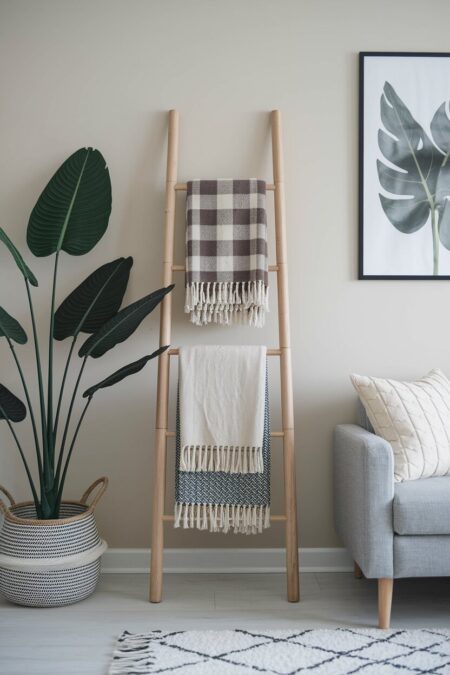
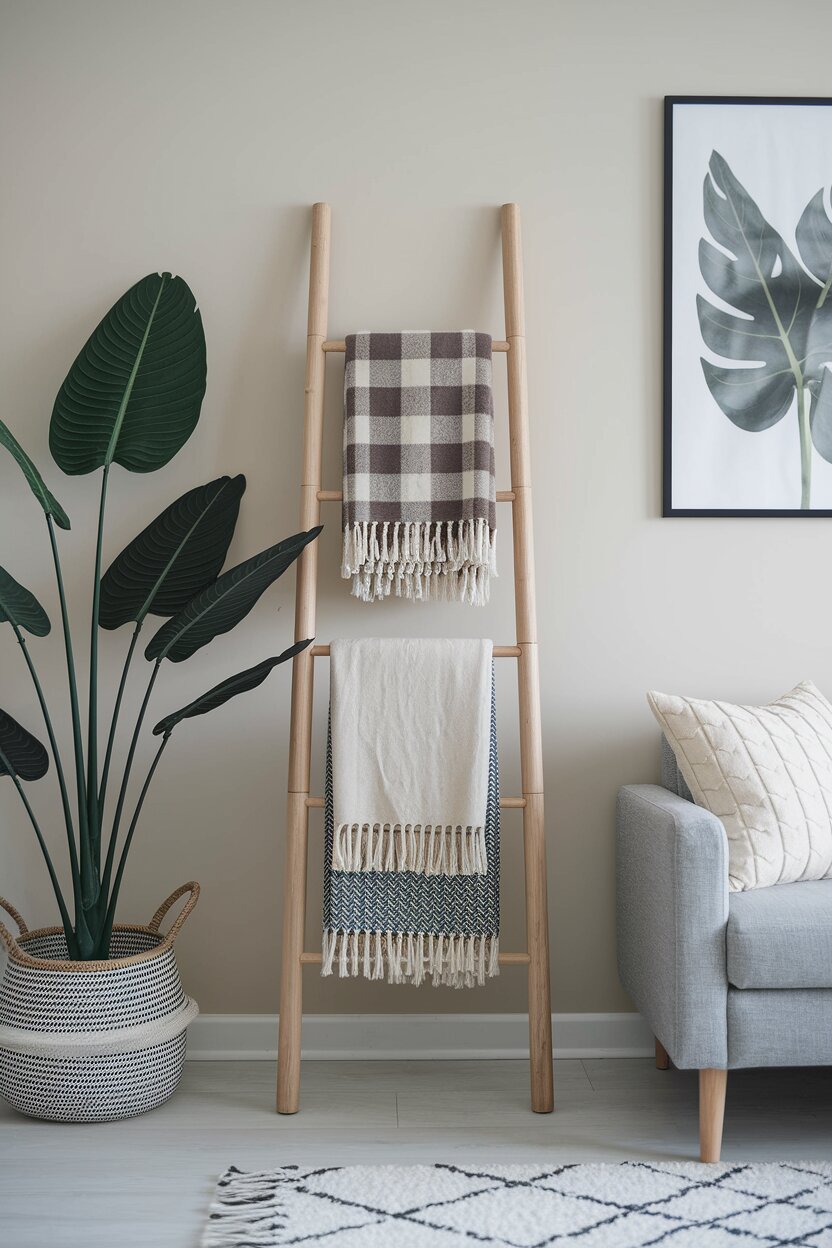
A blanket ladder is a premier choice for those who want to blend utility with interior design. By leaning a wooden or metallic ladder against an unused wall, you create a vertical display that showcases the textures and patterns of your favorite throws. This method of blanket storage is particularly effective in living rooms where floor space is at a premium but wall space is available.
To make this work in your home, ensure the ladder is secured or has rubberized feet to prevent slipping on hardwood floors. Drape blankets over the rungs by folding them into thirds lengthwise first; this creates a uniform look that highlights the fringe or weave of the fabric without making the room feel messy.
- 02 of 14
Large Woven Floor Baskets
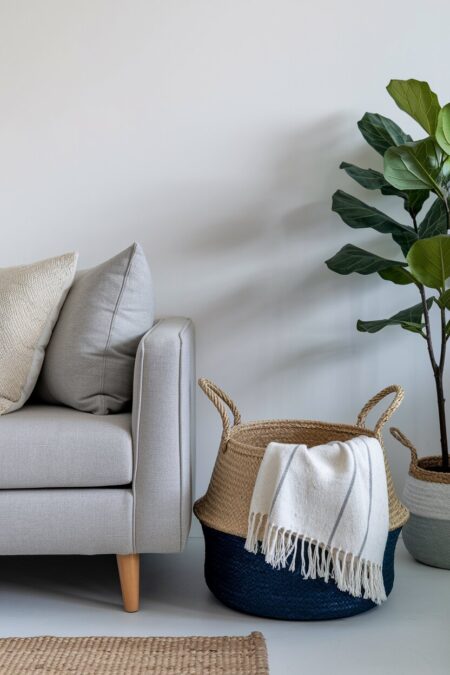
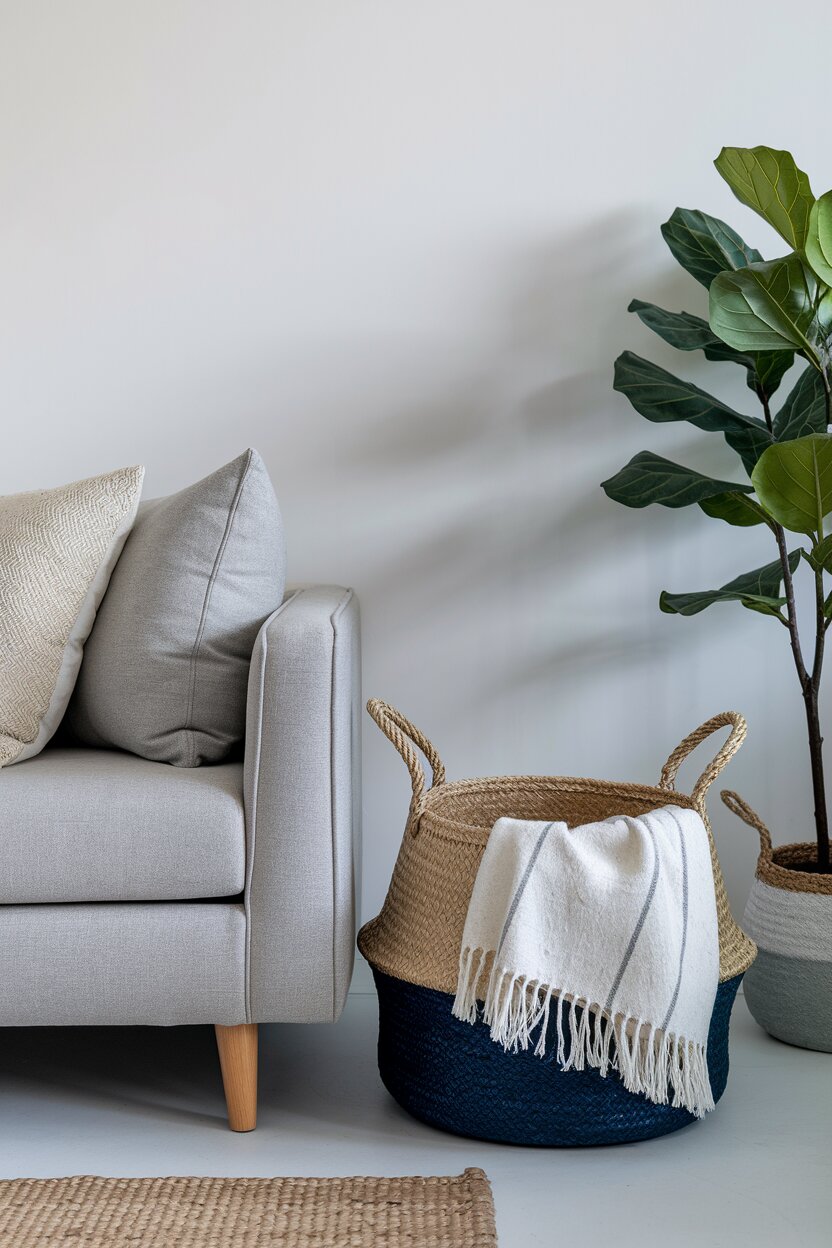
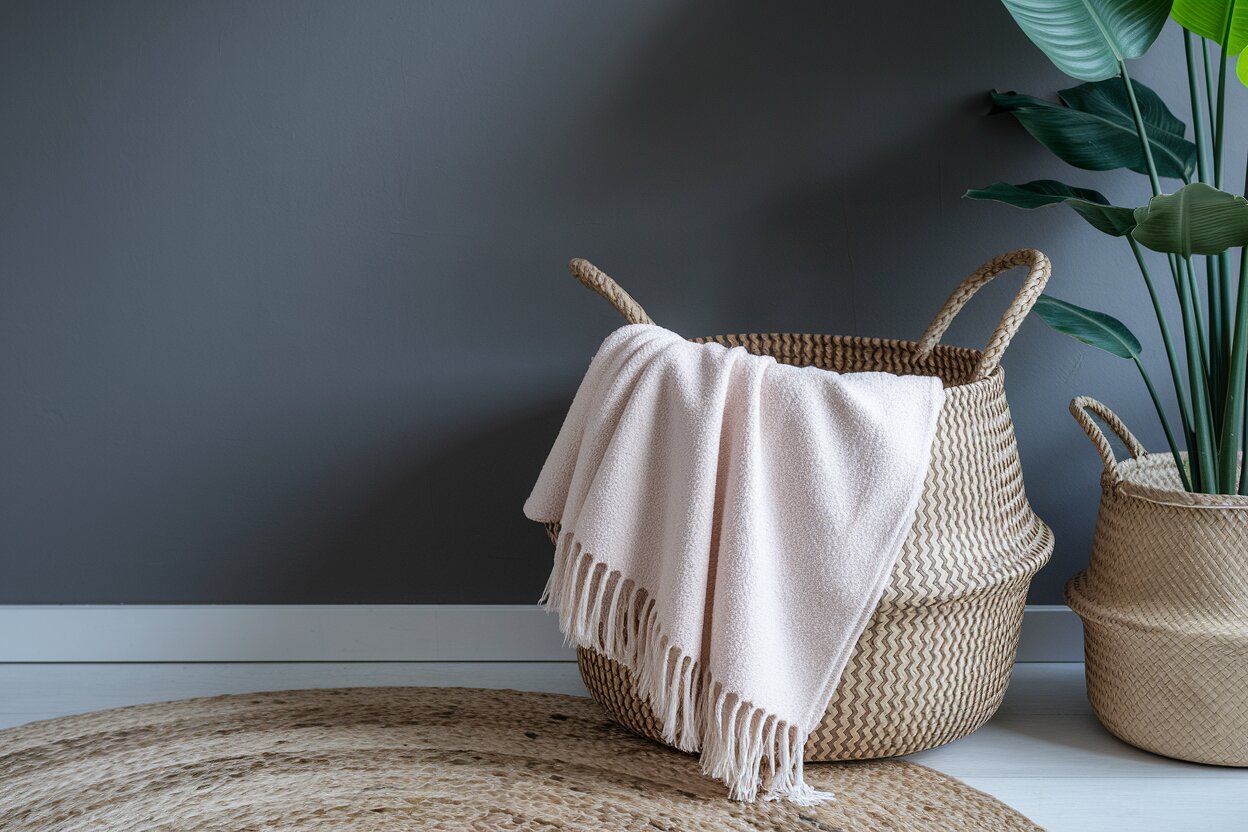
Woven baskets made from sea grass, jute, or water hyacinth offer an organic, soft aesthetic that complements almost any decor style. These containers are perfect for “toss-and-go” storage, allowing you to quickly clear a room before guests arrive. Because the material is breathable, it helps prevent the musty odors that can sometimes plague blankets stored in airtight plastic.
When selecting a basket, look for one with sturdy handles if you plan on moving it between the bedroom and the sofa. You can roll blankets tightly like sleeping bags to fit more into a single unit, or simply drape one over the edge for a “perfectly imperfect” lived-in feel that adds warmth to a corner.
- 03 of 14
Storage Ottomans and Footstools
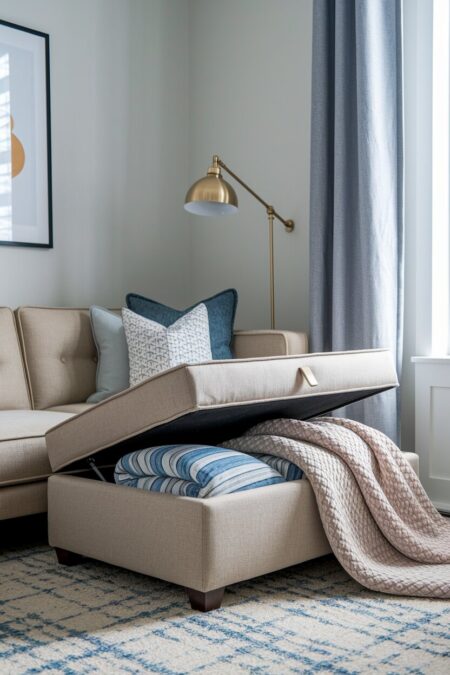
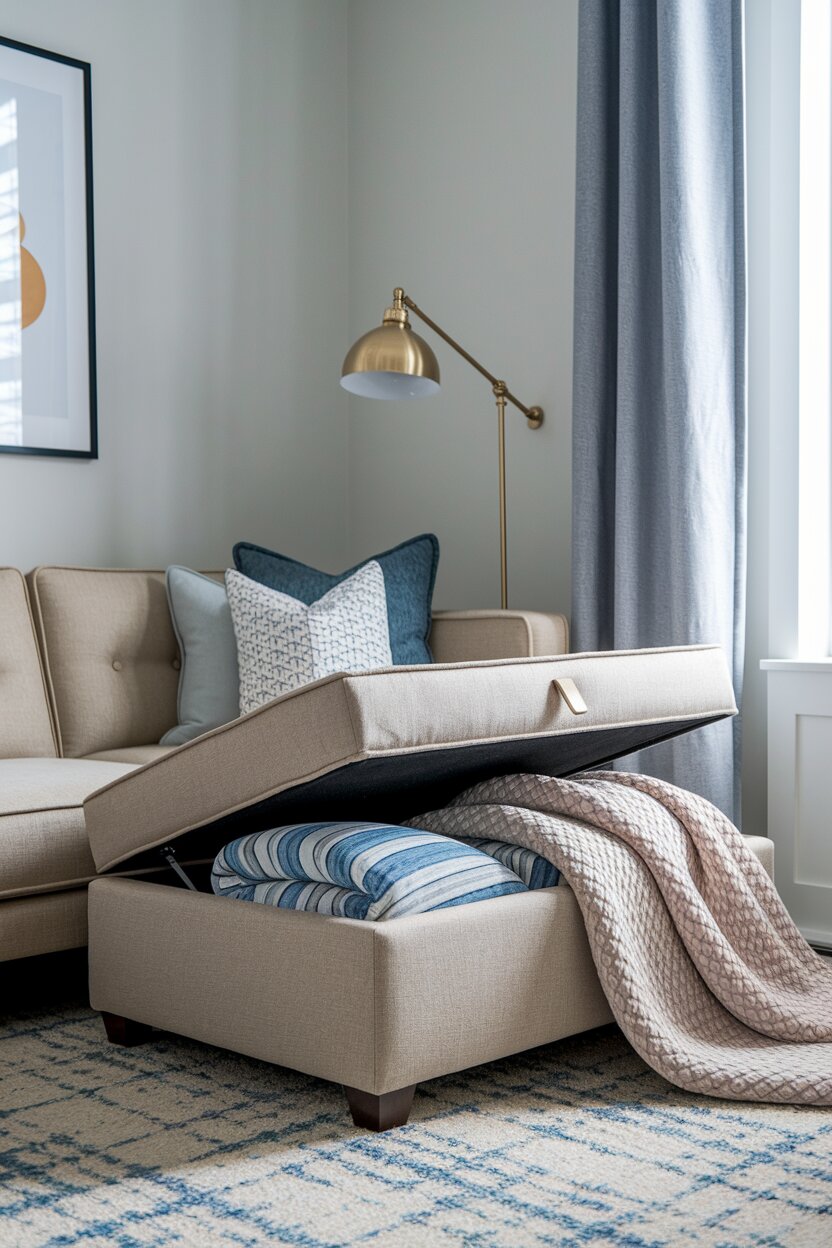
Multi-functional furniture is a cornerstone of professional home organization. A storage ottoman serves as a coffee table, extra seating, and a hidden vault for bulky comforters all at once. This is an ideal solution for primary living areas where you want the comfort of a blanket nearby but prefer a minimalist, clean-surface look during the day.
If you are using an ottoman, prioritize storing the heaviest blankets at the bottom. Since these pieces are often deep, placing a cedar block or a small lavender sachet inside can keep the contents smelling fresh even if the lid stays closed for weeks at a time.
- 04 of 14
Under-Bed Rolling Bins
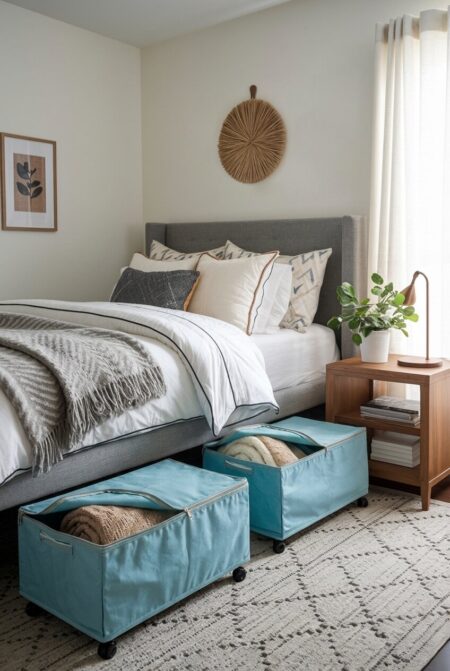
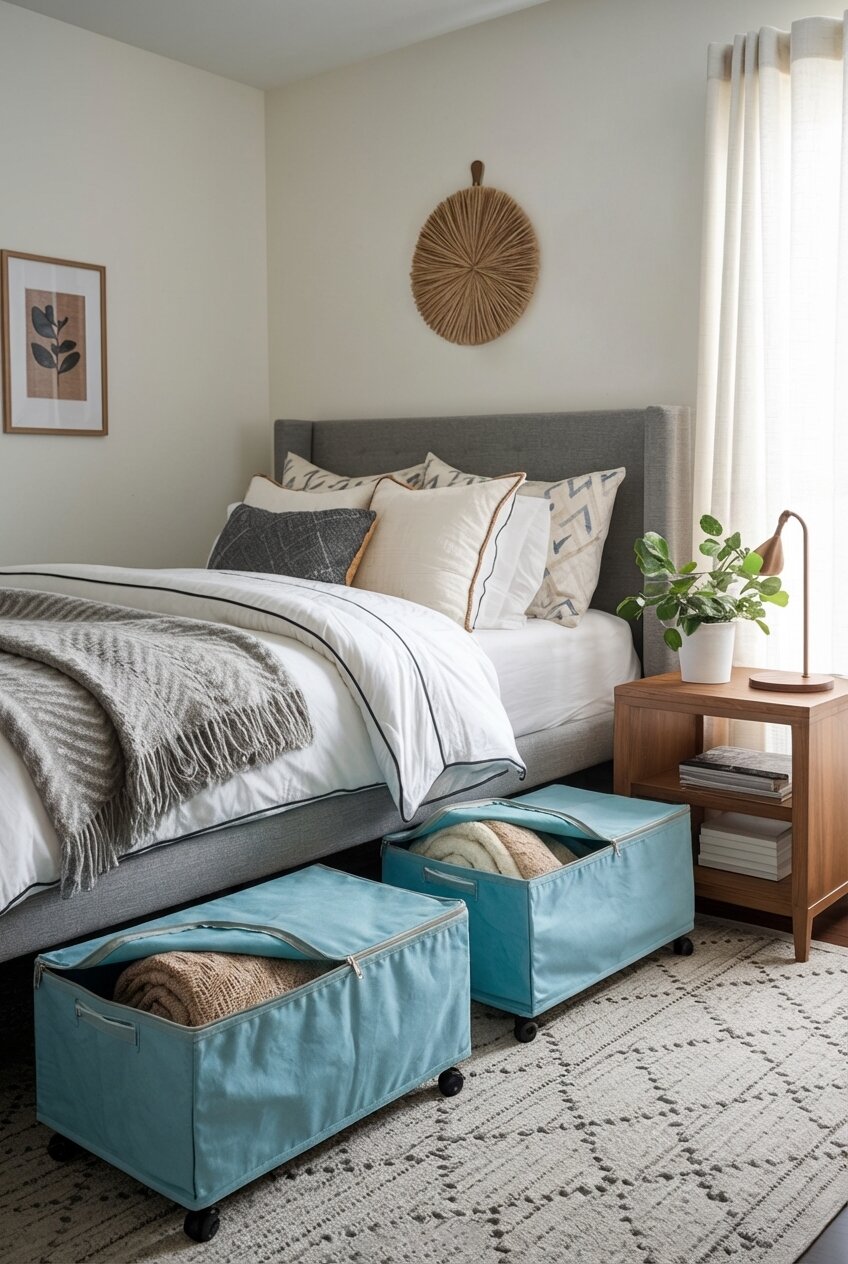
The space beneath your bed is often underutilized or becomes a “black hole” for random items. By using low-profile rolling bins, you can turn this area into a high-capacity linen station. Transparent plastic bins allow you to see exactly which quilt you are reaching for, while fabric-sided bins offer better breathability for natural fibers like wool.
To maximize this area, measure the clearance height of your bed frame before purchasing containers. If your blankets are particularly seasonal, such as heavy weighted blankets used only in winter, consider using vacuum-sealed bags inside these bins to double your storage capacity.
RELATED: 14 Bedroom Storage Ideas for Reclaiming Your Personal Space
- 05 of 14
Vintage Trunks and Cedar Chests
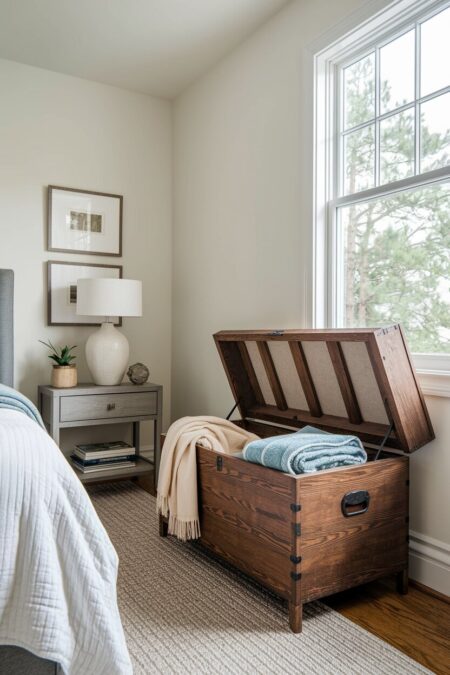
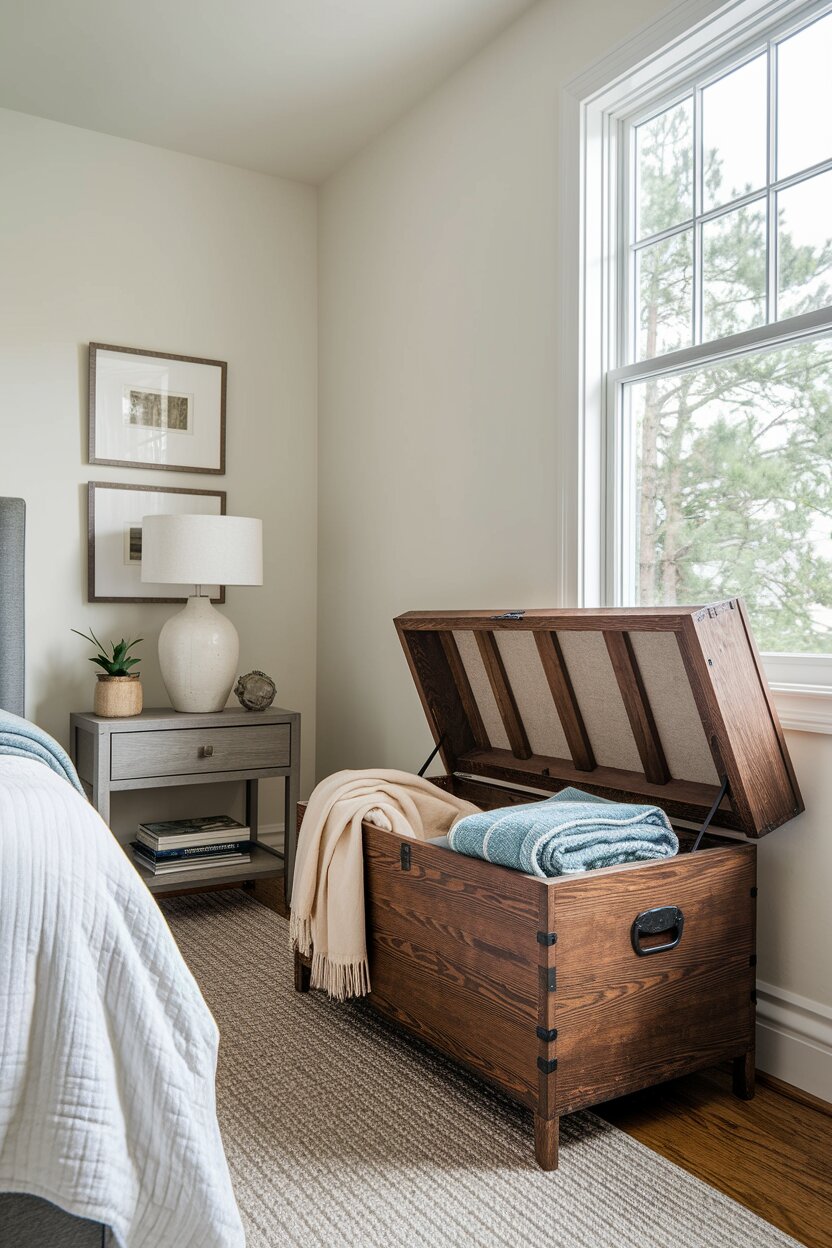
An heirloom trunk or a vintage suitcase adds a sense of history and character to a room while providing massive storage volume. Cedar-lined chests (also known as cedar blanket chests) are traditionally prized for blanket storage because the natural oils in the wood act as a deterrent for moths and other pests that might damage expensive quilts.
When using older trunks, check the interior for splinters or snag points that could catch on delicate knits. Lining the bottom with a clean white sheet or acid-free paper provides an extra layer of protection for your textiles, ensuring they remain in pristine condition for years.
- 06 of 14
Wall-Mounted Industrial Racks
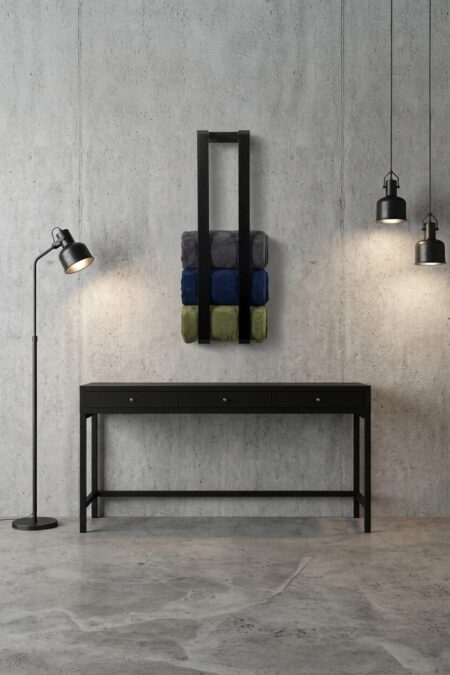
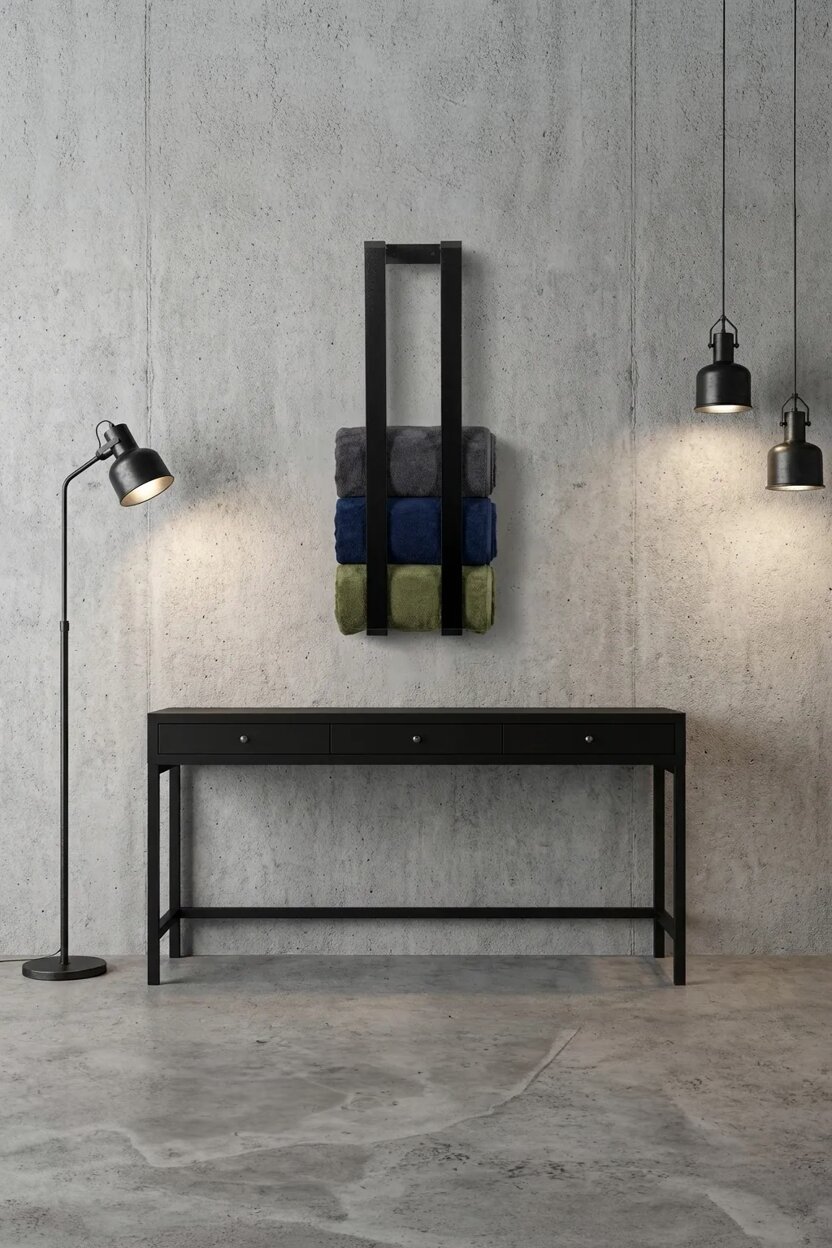
If you prefer a modern or industrial aesthetic, wall-mounted metal racks (often designed for towels or firewood) can be repurposed for blankets. This keeps the floor completely clear, which is a major advantage for small apartments or homes with robotic vacuums.
Install the rack at a height where the lowest hanging blanket is still several inches off the floor to prevent dust accumulation. This setup works best with “rolled” storage; by rolling your blankets into uniform cylinders and stacking them vertically in the rack, you create a functional piece of wall art.
- 07 of 14
Over-the-Door Organizers
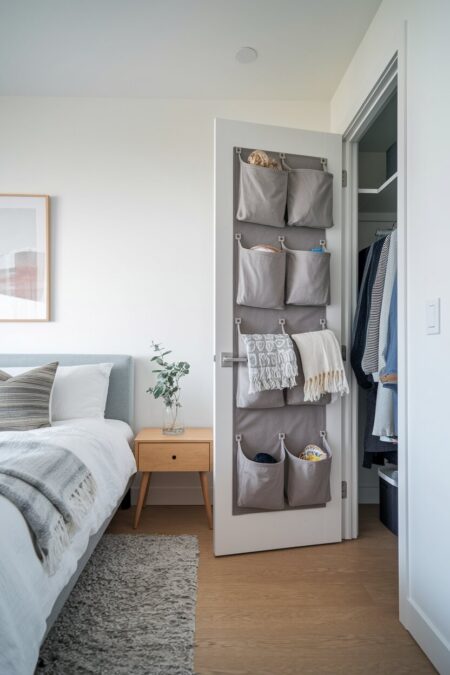
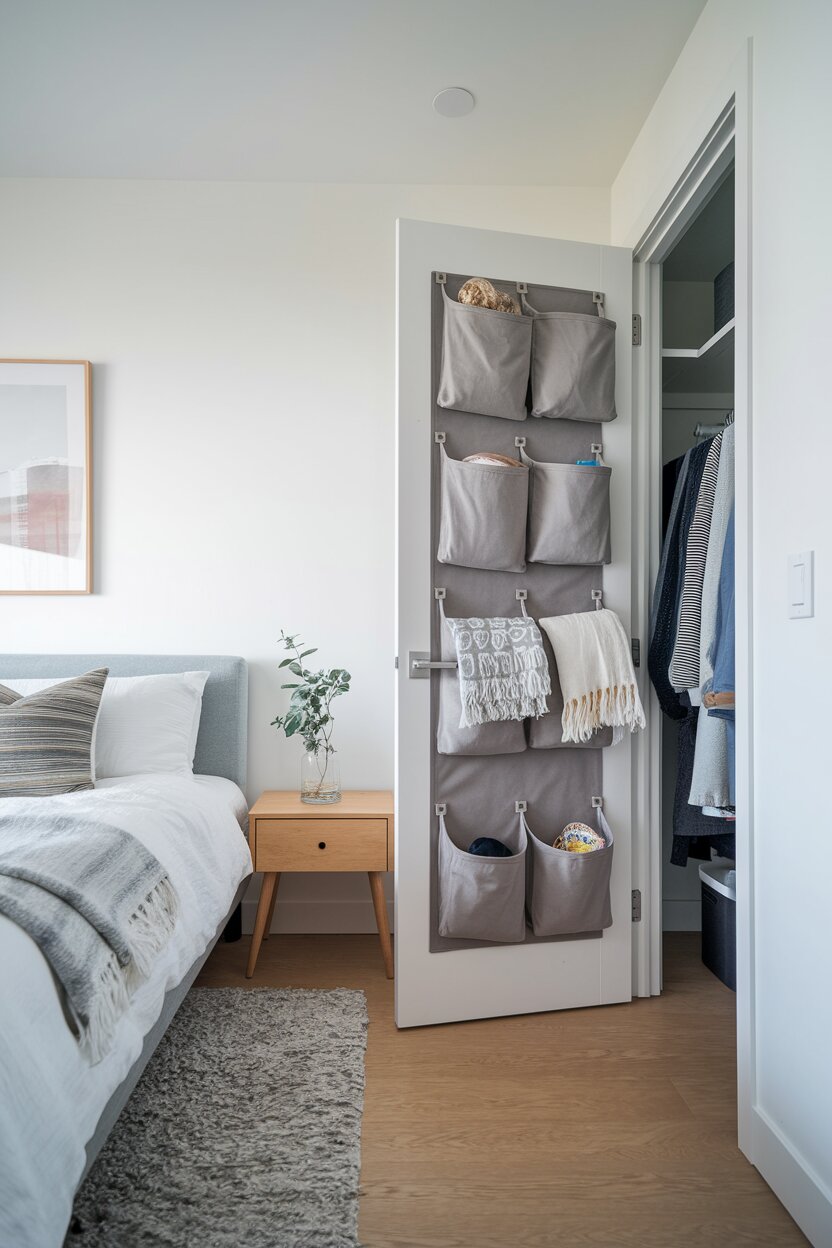
For guest rooms or small bedrooms, the back of a door is prime real estate. Large-pocket organizers or specialized blanket bars that hook over the door frame allow you to store several medium-weight throws without taking up any closet or floor space.
To implement this effectively, choose an organizer with deep, reinforced pockets to handle the weight of the fabric. This is a fantastic way to sort blankets by family member or by weight, making it easy for everyone to find their preferred level of warmth.
RELATED: 10 Small Bedroom Storage Ideas That Secretly Double Your Square Footage
- 08 of 14
Repurposed Wine or Magazine Racks

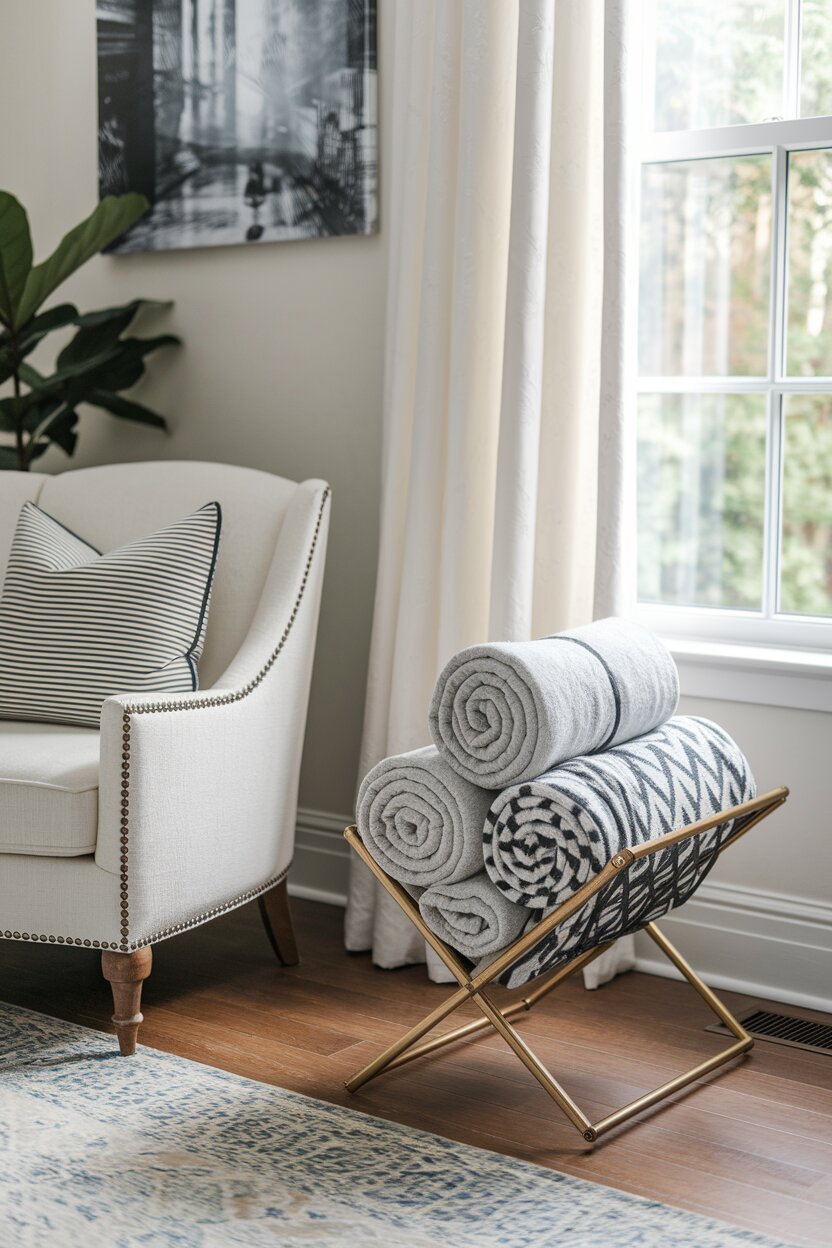
Smaller throws and lightweight fleece blankets don’t always require massive bins. A stylish floor-standing magazine rack or a wall-mounted wine rack can hold individual rolled blankets perfectly. This is a “micro-storage” solution that works well next to a reading chair or in a nursery.
For wine racks, ensure the “cradles” are wide enough to accommodate a plush roll. This method encourages a “one-in, one-out” policy, preventing you from accumulating more blankets than you actually need and keeping your collection curated.
- 09 of 14
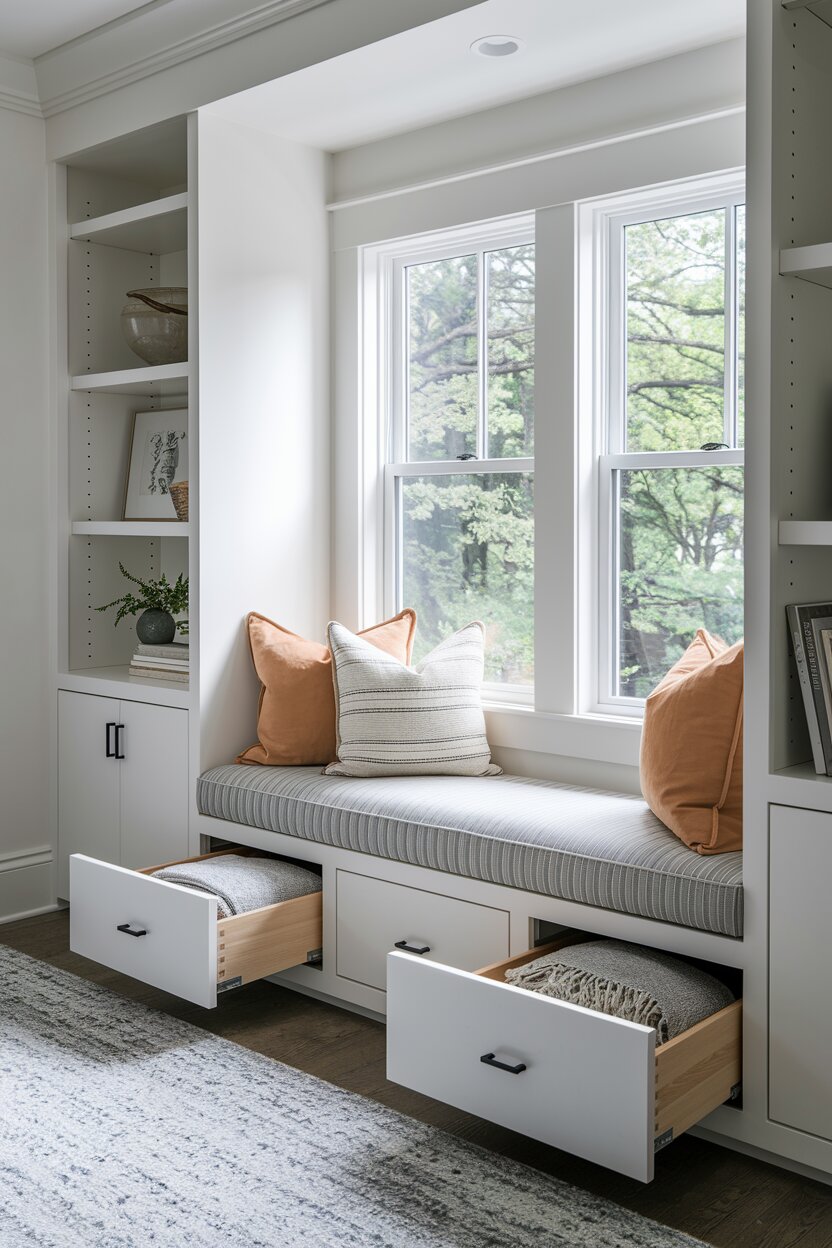
Custom Built-In Window Seats
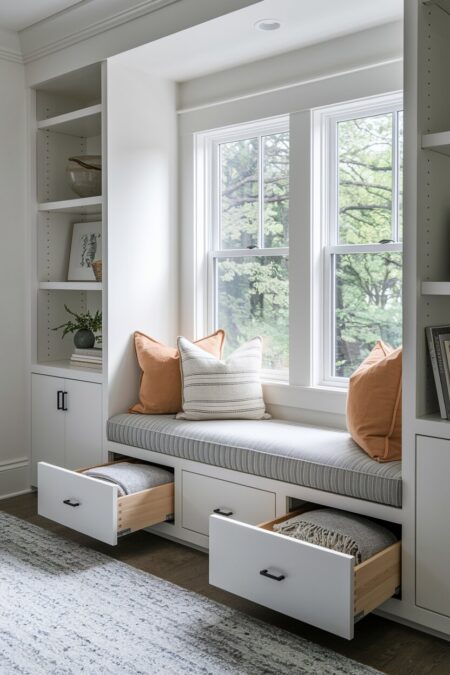
A window seat with a flip-top lid or deep drawers is the ultimate luxury in home organization. It provides a scenic spot to relax while hiding a significant amount of bedding right where it is most likely to be used.
If you are designing a custom seat, opt for deep drawers on heavy-duty glides rather than a lift-top lid. Drawers allow you to access the throw blankets at the back without having to remove everything from the top, making the organization much easier to maintain over time.
- 10 of 14
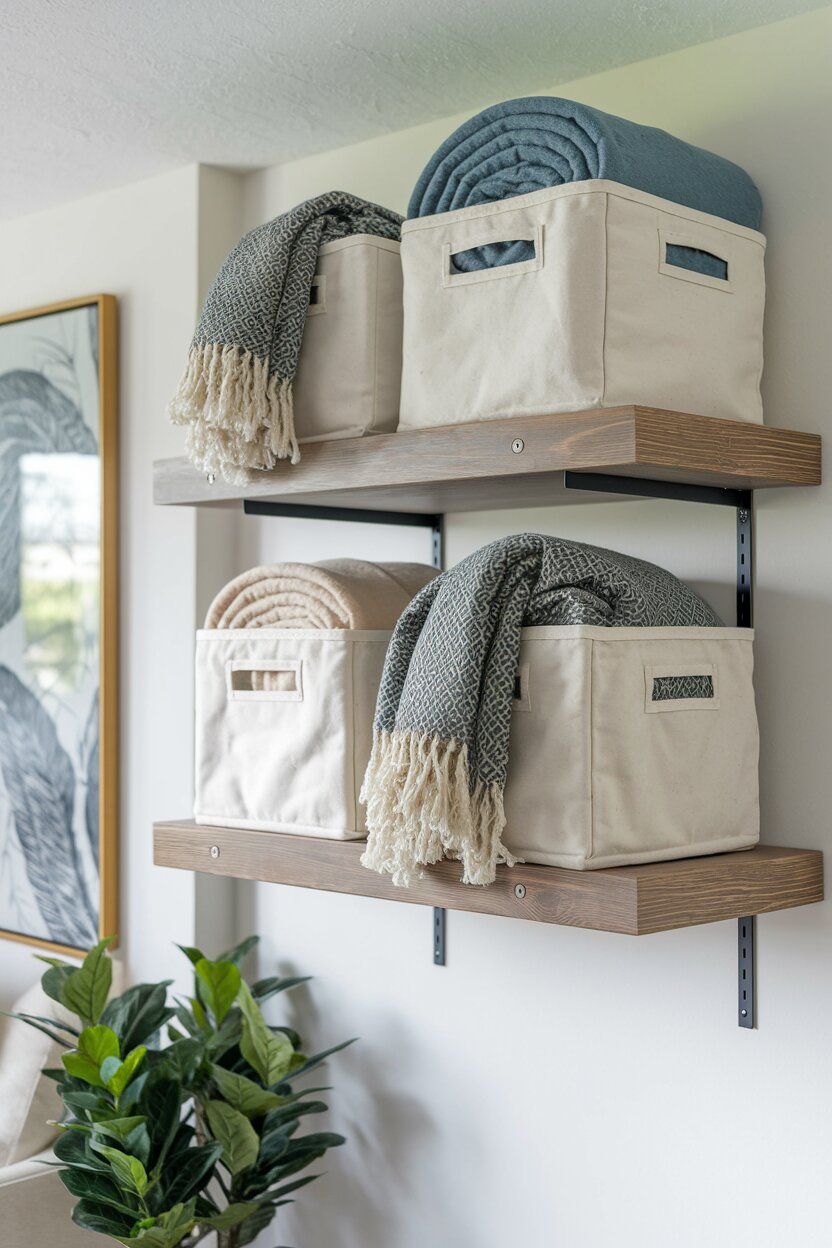
Floating Shelves with Uniform Baskets
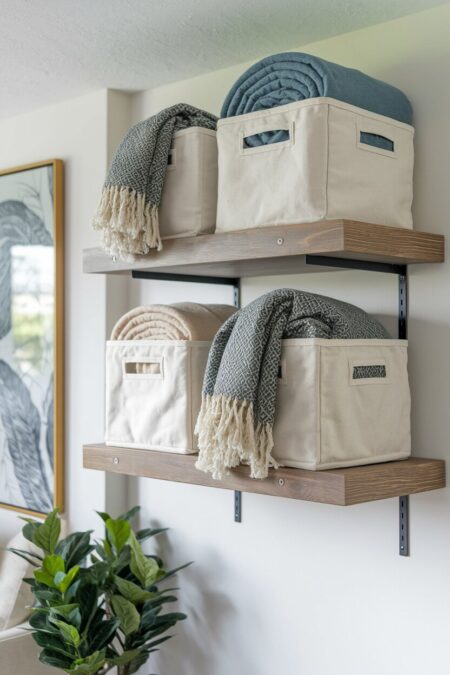
If you have high ceilings, installing floating shelves near the top of a wall can provide storage for off-season items. Placing blankets in matching canvas cubes or wire baskets on these shelves keeps the room looking uniform and intentional rather than cluttered.
Label each basket with the type of blanket inside (e.g., “Down Comforters,” “Summer Throws”). This saves you from having to pull down every basket to find what you need. Use a sturdy step stool when retrieving these items to ensure safety.
- 11 of 14
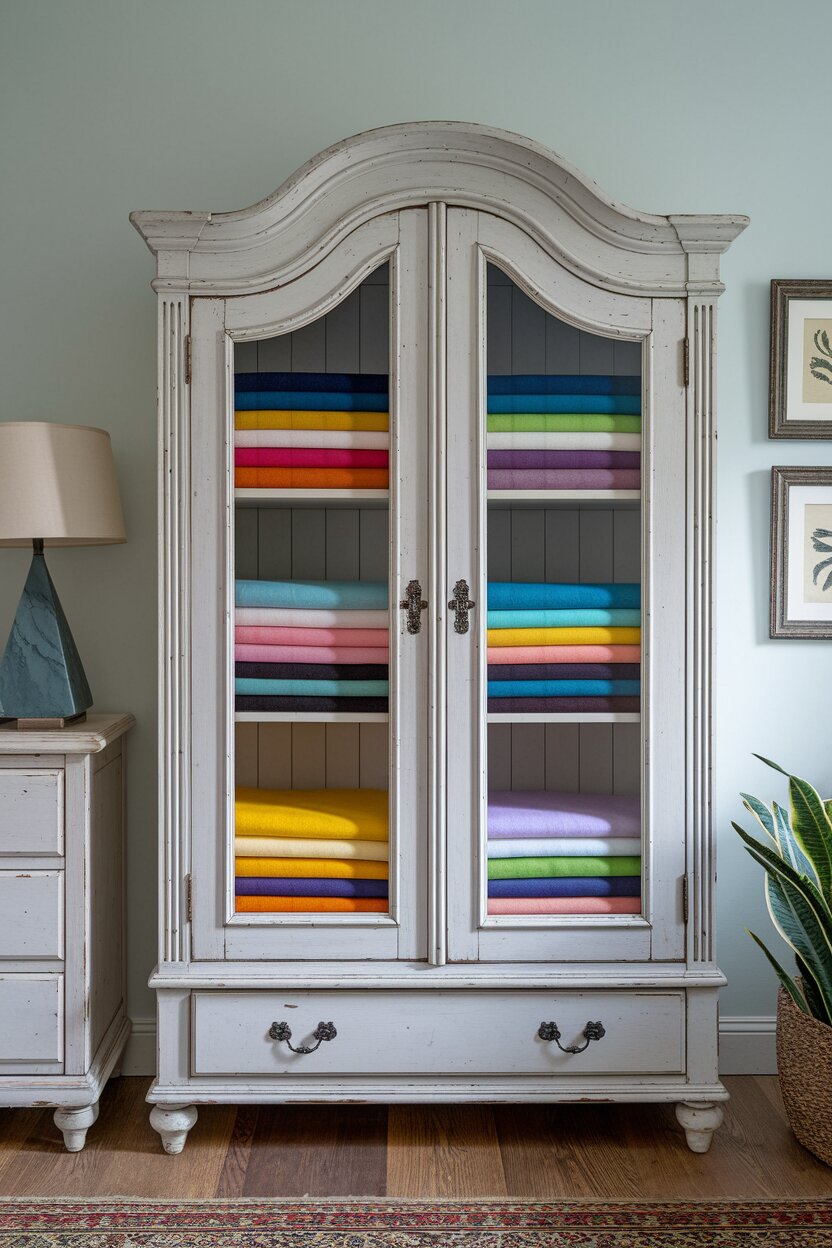
Armoire and Hutch Displays
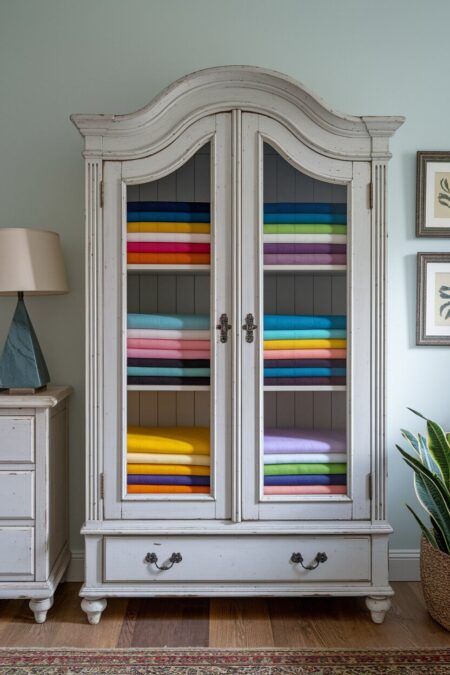
An antique armoire with glass doors is a beautiful way to display a collection of colorful quilts. Unlike a dark closet, a glass-fronted cabinet allows you to enjoy the visual beauty of your linens while keeping them protected from dust and pet hair.
To create a professional look, fold all blankets using the “book fold” method, where the spine of the fold faces outward. This eliminates messy edges and creates a clean, tiered appearance on the shelves that looks like a high-end boutique display.
- 12 of 14
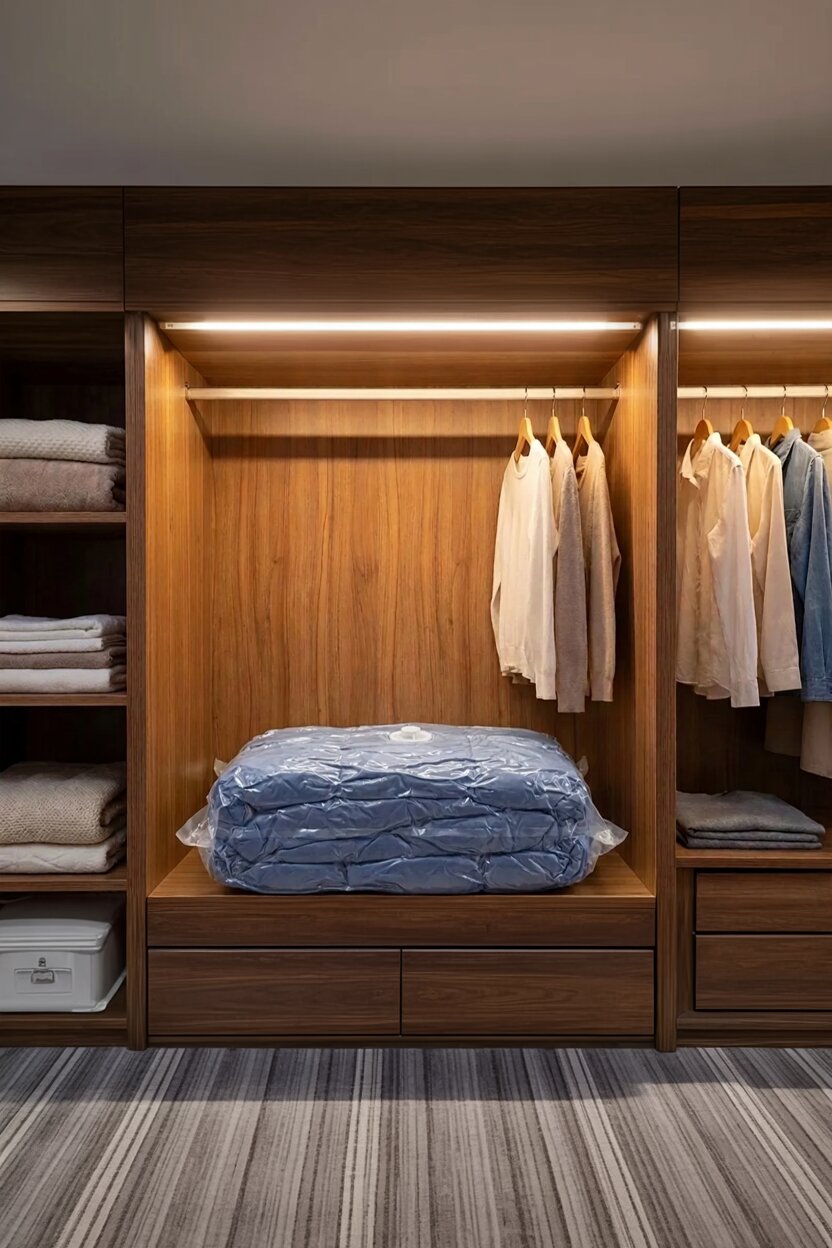
Vacuum-Sealed Compression Bags
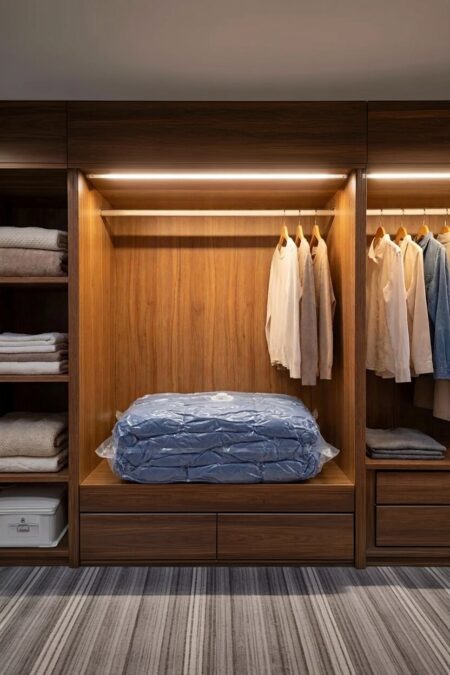
When space is extremely limited or you need to store bulky winter bedding during the summer months, vacuum compression is the most efficient choice. These bags can reduce the volume of a comforter by up to 75%, allowing you to stack them in the back of a closet or inside a suitcase.
While these are excellent for space-saving, avoid using them for long-term storage of natural down or feathers, as total compression for more than six months can damage the loft of the filling. For synthetic materials, however, they are a perfect solution.
- 13 of 14
The “Pillow Hack” Storage

One of the most creative ways to store a blanket in plain sight is to use it as a pillow insert. Large “euro” shams or decorative floor pillow covers can be stuffed with a neatly folded blanket instead of a traditional pillow form.
This provides a firm, supportive cushion for your sofa or bed while keeping the blanket immediately accessible. Simply unzip the cover when you get chilly, and you have a warm wrap ready to go.
- 14 of 14
Closet Shelf Dividers
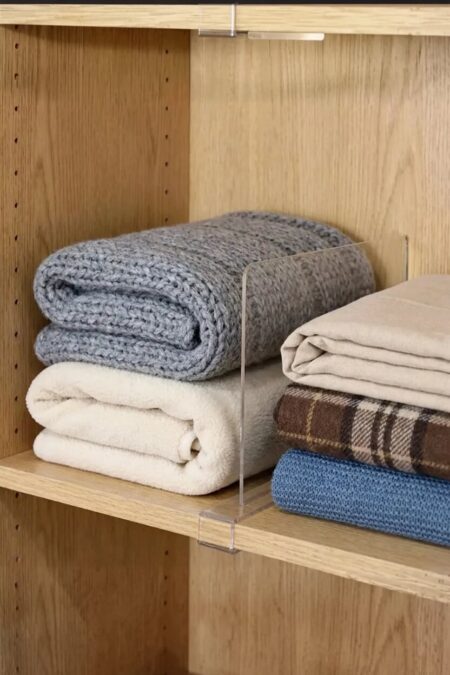
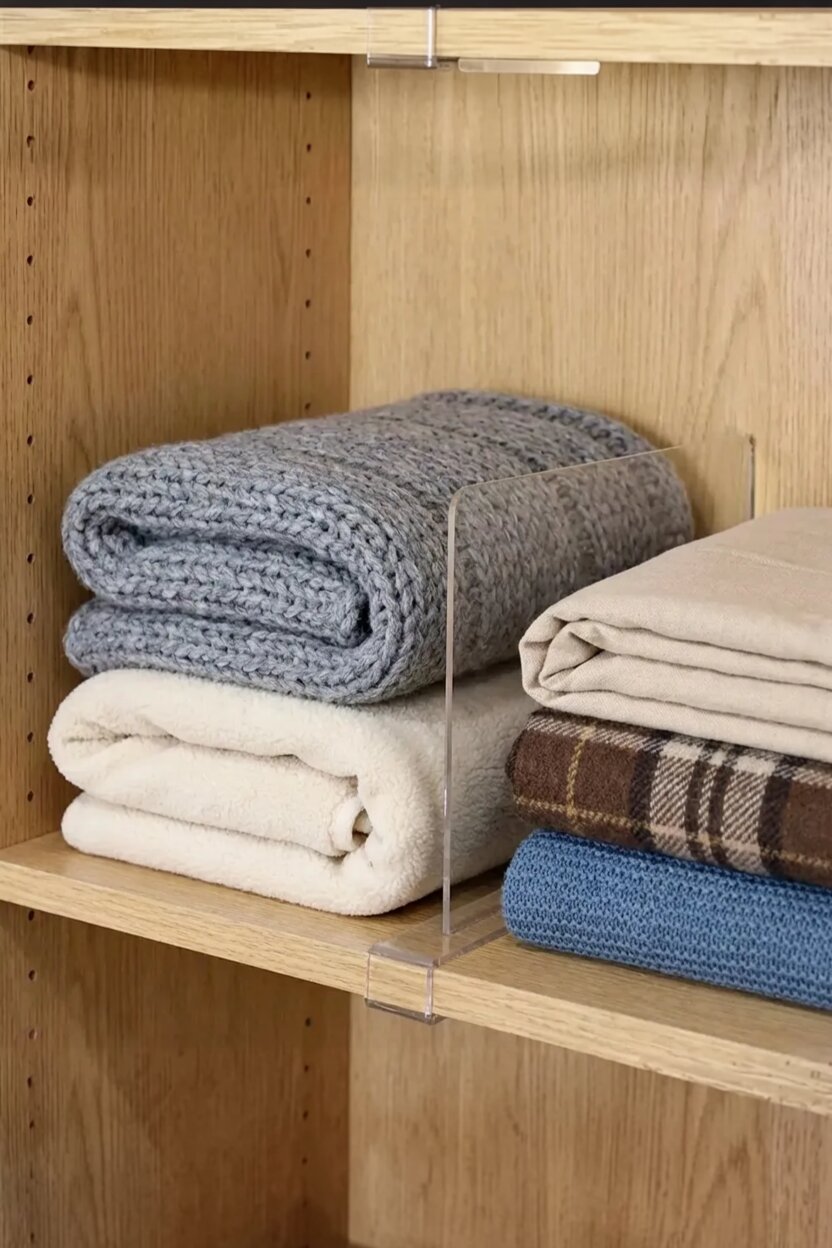
If you have a traditional linen closet, blankets often end up in a leaning tower that eventually collapses. Acrylic or wire shelf dividers can be clipped onto your existing shelves to create “stalls” for each blanket.
This prevents the bottom blanket from being crushed and allows you to pull one out without toppling the entire stack. Organizing by weight (placing heavy wool at the bottom and light cotton at the top) will make the system even more functional for daily use.