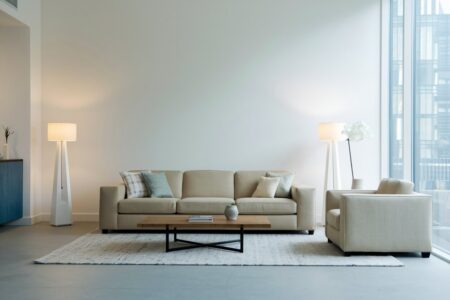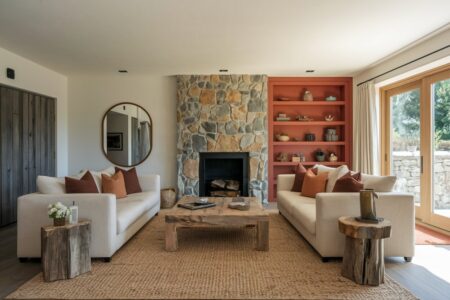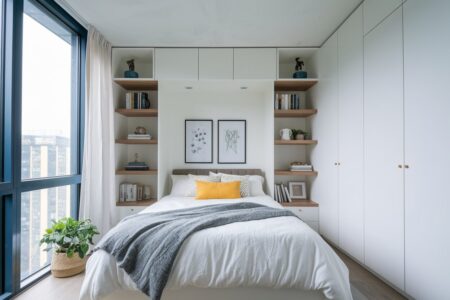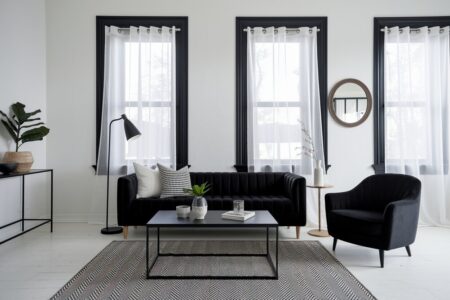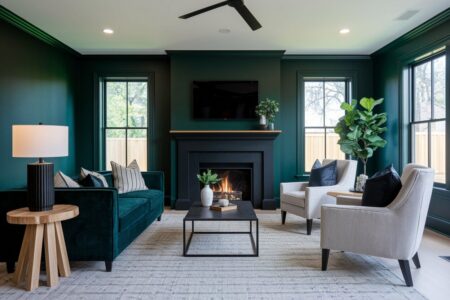
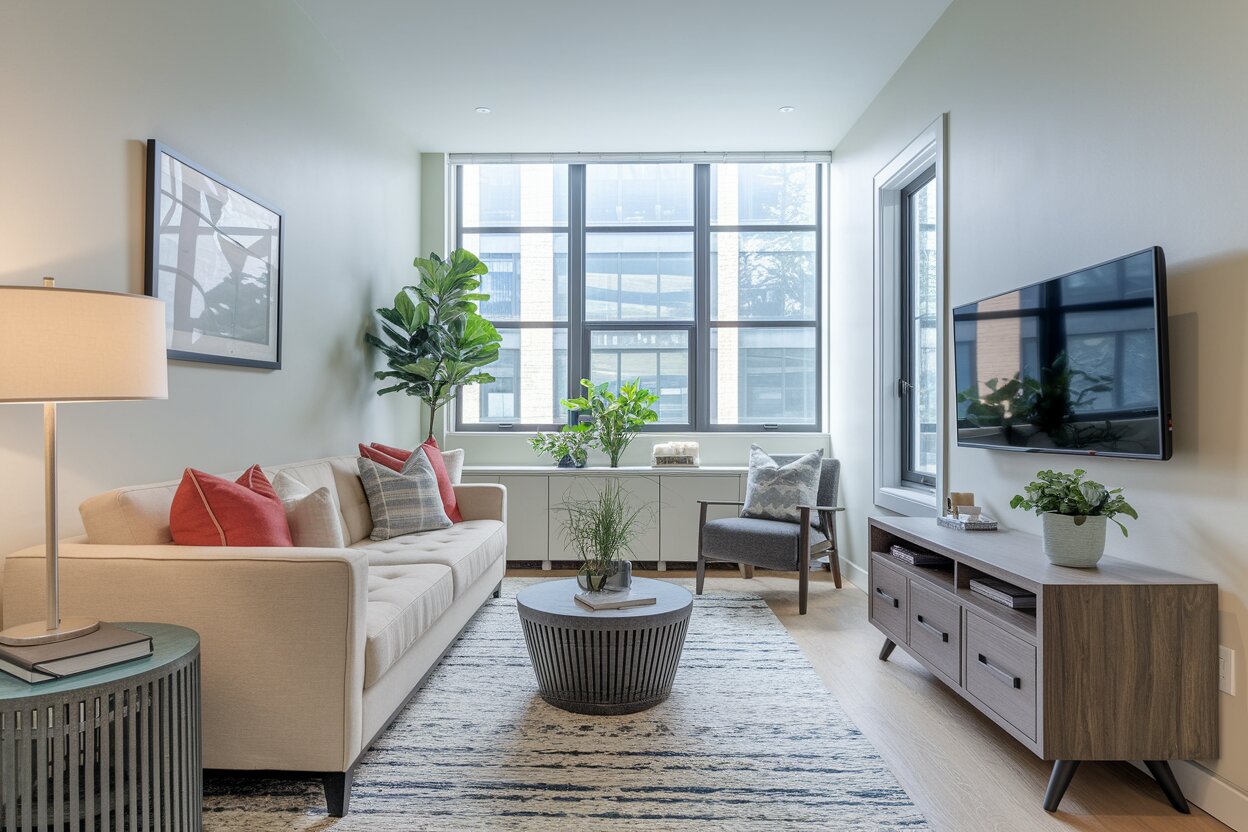
A small living room comes with real limits: less wall space, tighter walkways, fewer places to hide the mess. But limits aren’t the same as dead ends. With the right layout, the right furniture, and a few smart color choices, even a modest room can feel open, comfortable, and completely intentional.
The best small living room ideas tend to share a few habits. They use scale wisely instead of fighting it. They borrow light from every possible source. They ask each piece of furniture to do more than one job. None of it requires a renovation or a big budget. Most of these changes come down to smarter choices, not more square footage.
Below are small living room ideas you can start using today, from color and lighting to furniture picks and layout tricks. Pick one, or combine a handful, and watch a snug room start to breathe a little easier.
- 01 of 15
Start With a Light, Airy Color Palette
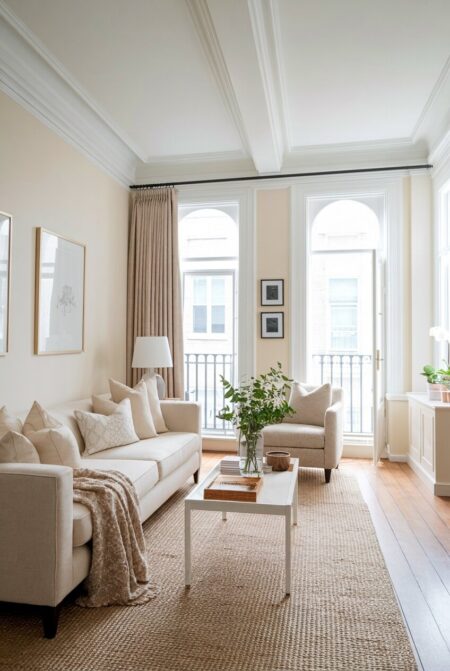
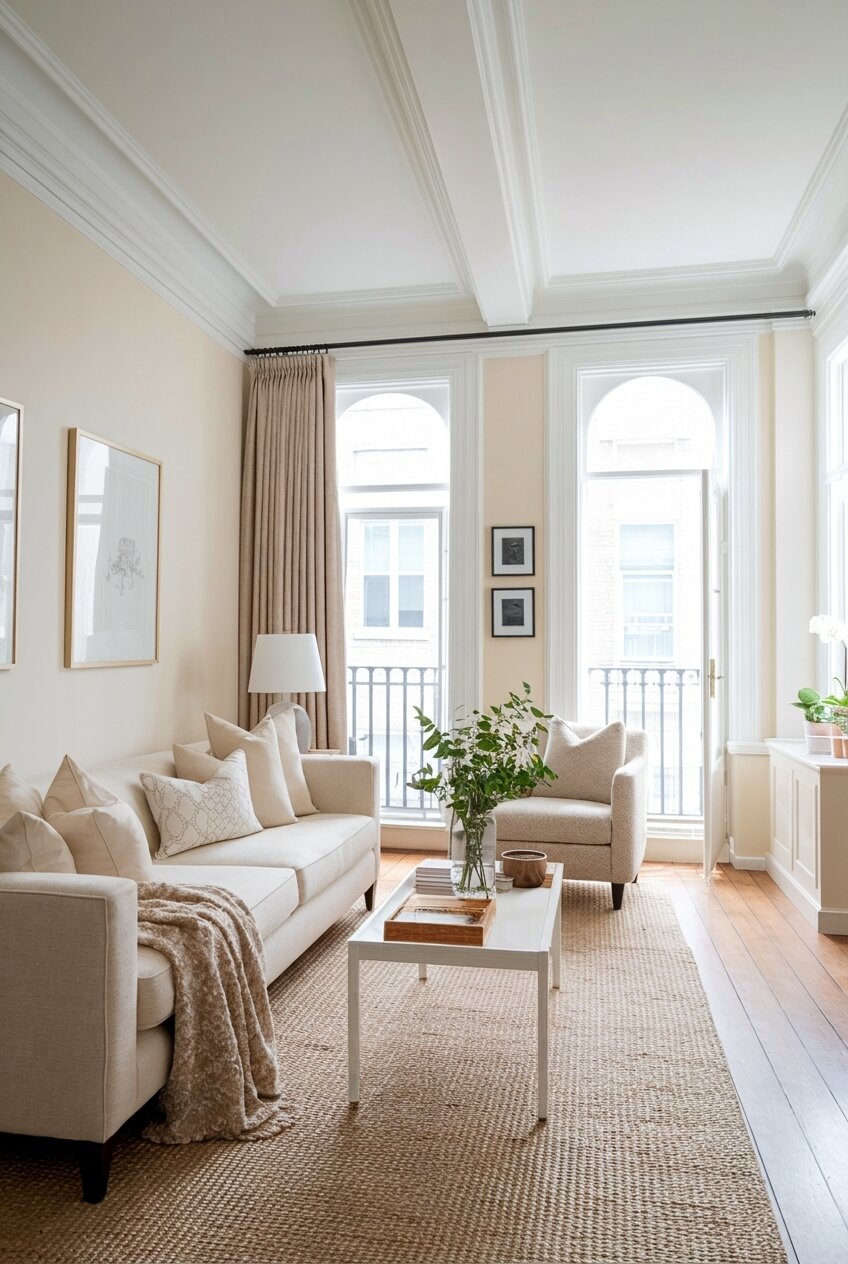
Color does a lot of heavy lifting in a small living room. Whites, warm creams, and soft beiges bounce light around instead of soaking it up, which makes low ceilings and narrow walls read as taller and wider than they really are. Keep your walls, trim, and ceiling in a similar tonal family. That way, your eye glides across the room instead of catching on hard lines where one surface stops and another starts.
If an all-neutral scheme feels flat, add depth through texture rather than contrast: a bouclé throw, a jute rug, a linen curtain. A single saturated color used sparingly can still make a strong statement without weighing the room down.
- 02 of 15
Add Mirrors to Expand the Space
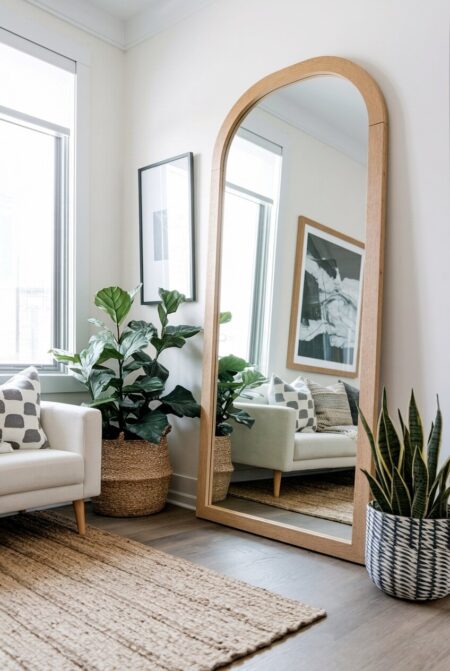
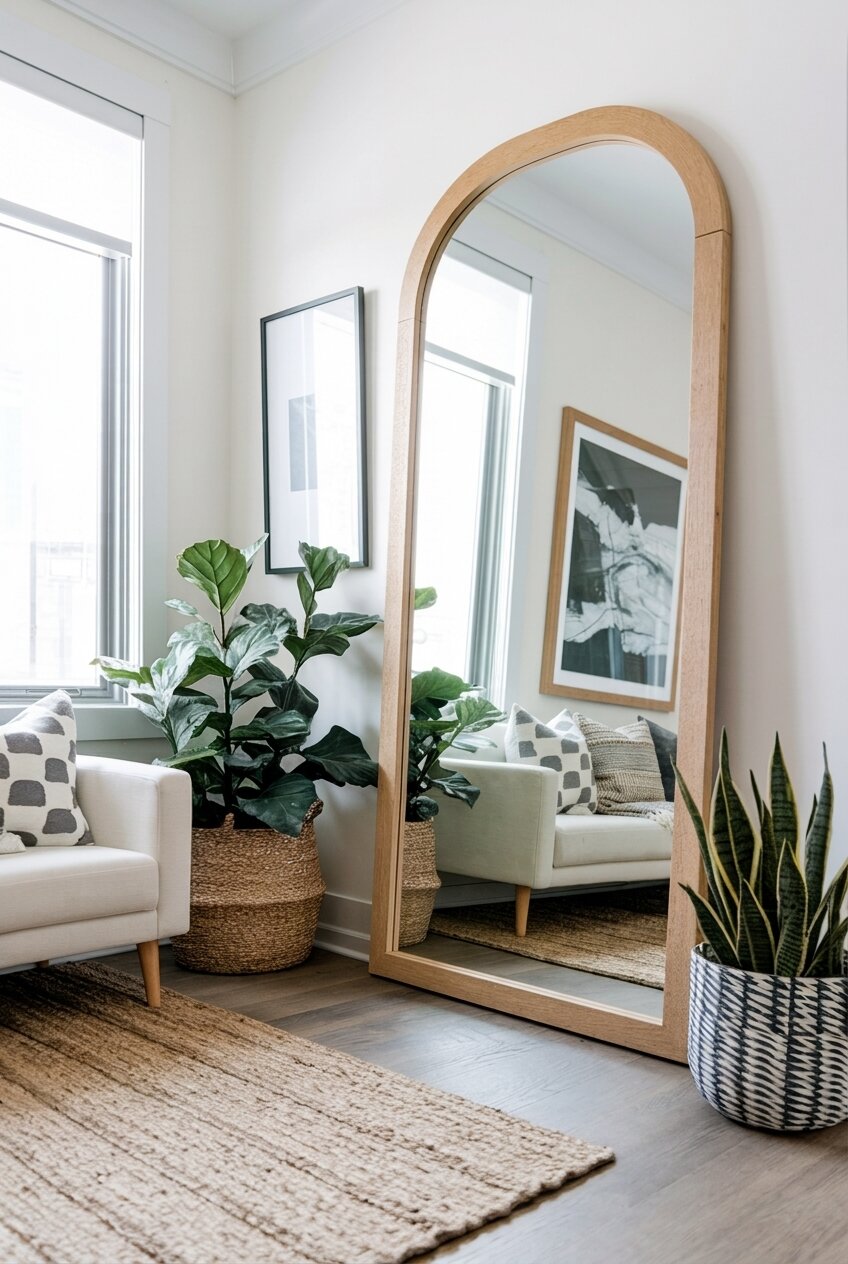
Mirrors are one of the oldest tricks in the book for small living room ideas, and they still work. Hang a large mirror across from a window, and you effectively double the natural light in the room while creating the illusion of another opening in the wall. No wall space? Lean an oversized floor mirror against an empty corner instead. A cluster of smaller mirrors can add movement too, without the visual weight of one giant frame. Just aim each mirror toward something worth reflecting, like a plant or a piece of art, rather than a blank wall.
- 03 of 15
Choose Multipurpose Furniture
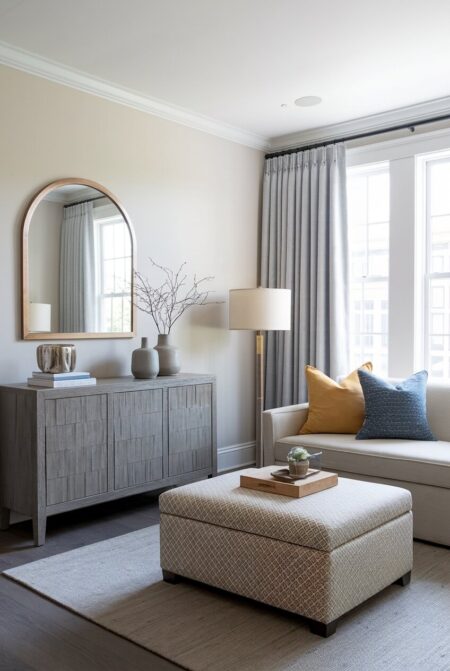
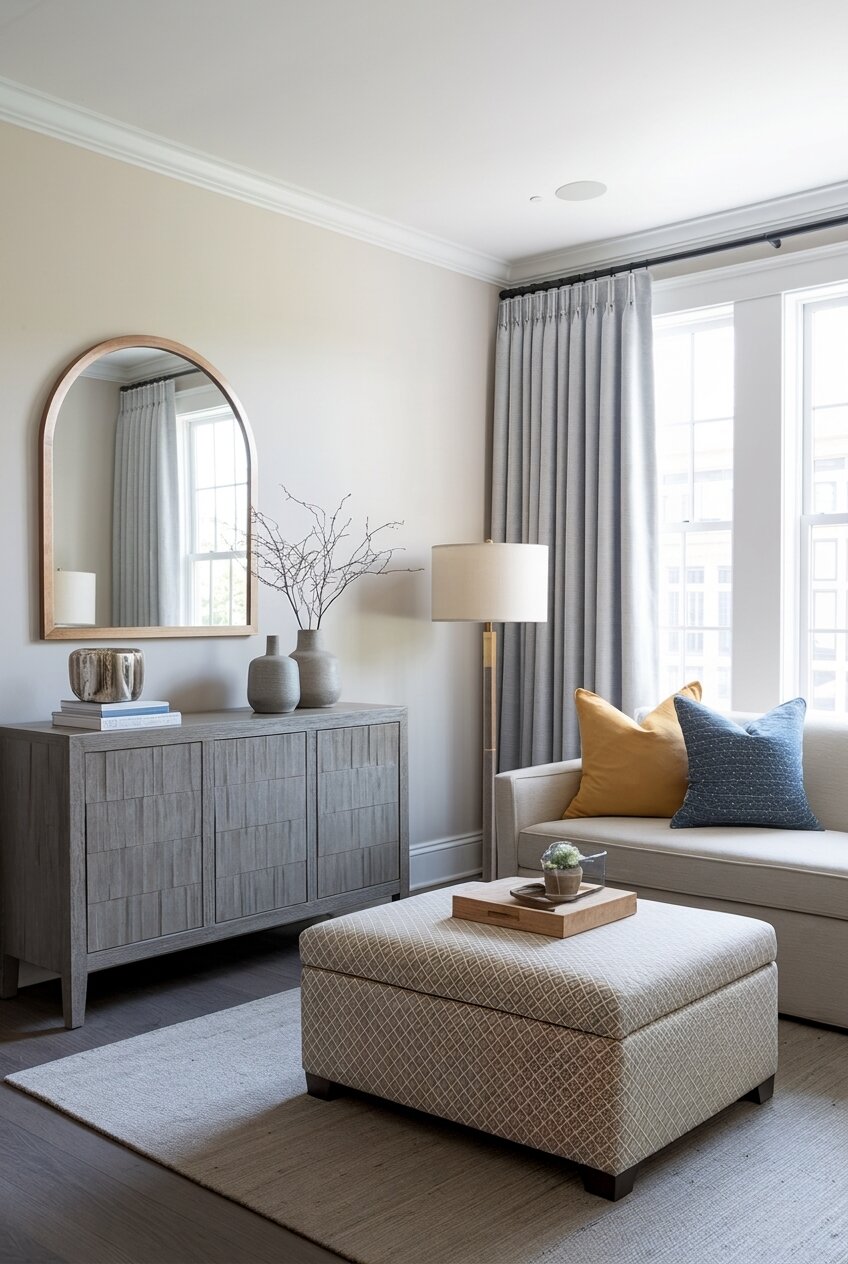
Every piece of furniture in a small living room should earn its keep. A storage ottoman can be a coffee table, extra seating, and a hiding spot for blankets, all at once. A daybed hosts overnight guests and still looks pulled-together during the day. Look for consoles with drawers, benches with lift-tops, or nesting tables that tuck away when you need the floor back. These pieces are some of the most functional small living room ideas out there, because they solve a storage problem without adding bulk.
- 04 of 15
Keep Furniture in Scale
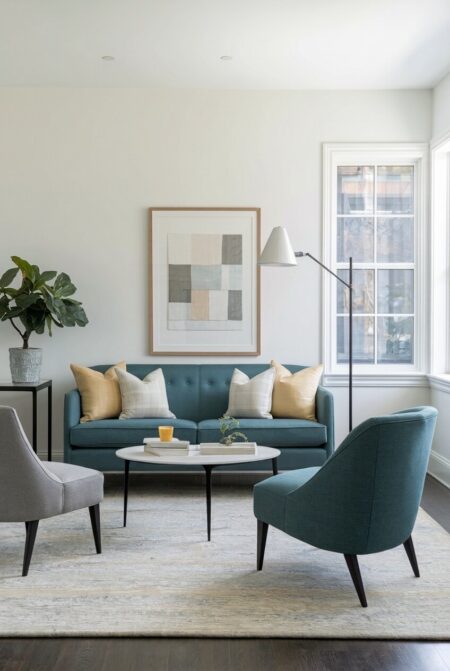
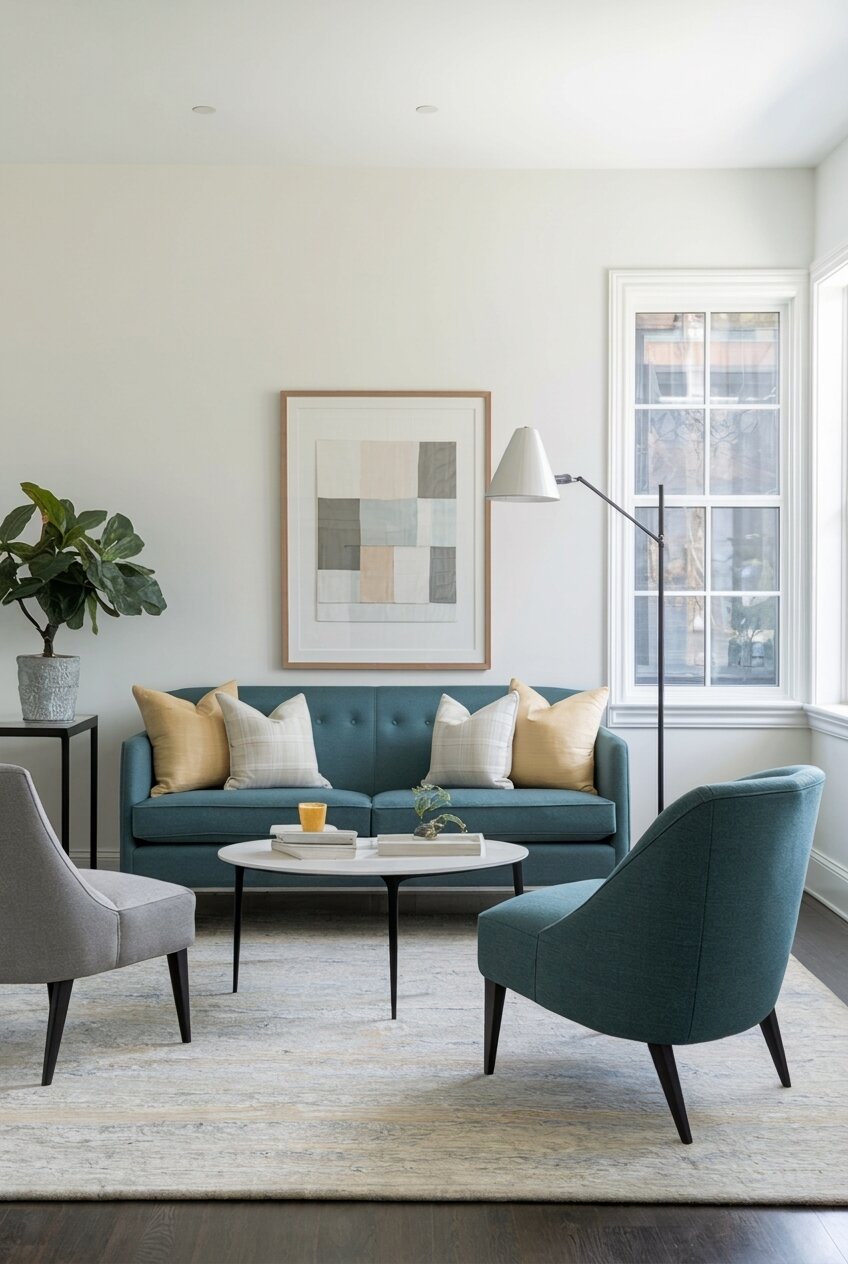
Oversized furniture shrinks a small room faster than almost anything else. Measure your space before you shop. Look for a sofa, chairs, and tables sized to match your walls, not the showroom floor. A loveseat or a slim two-seat sofa often makes more sense than a deep sectional in a tight footprint. Tapered, exposed legs on chairs and tables let light pass underneath, which keeps furniture feeling grounded instead of heavy. Get the scale right, and the whole room feels calmer.
- 05 of 15
Float Furniture Away From the Walls
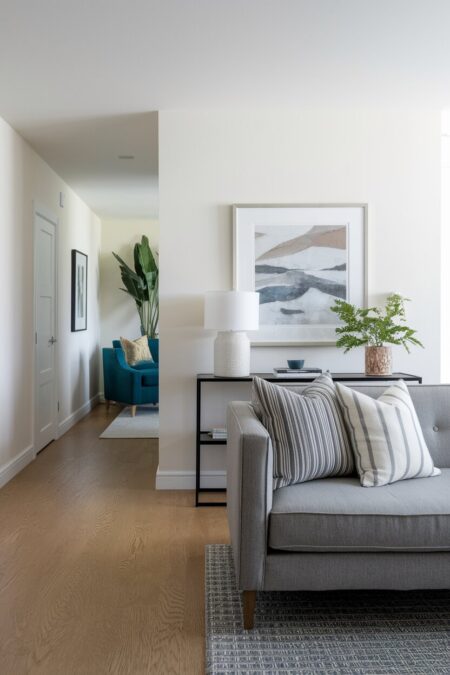
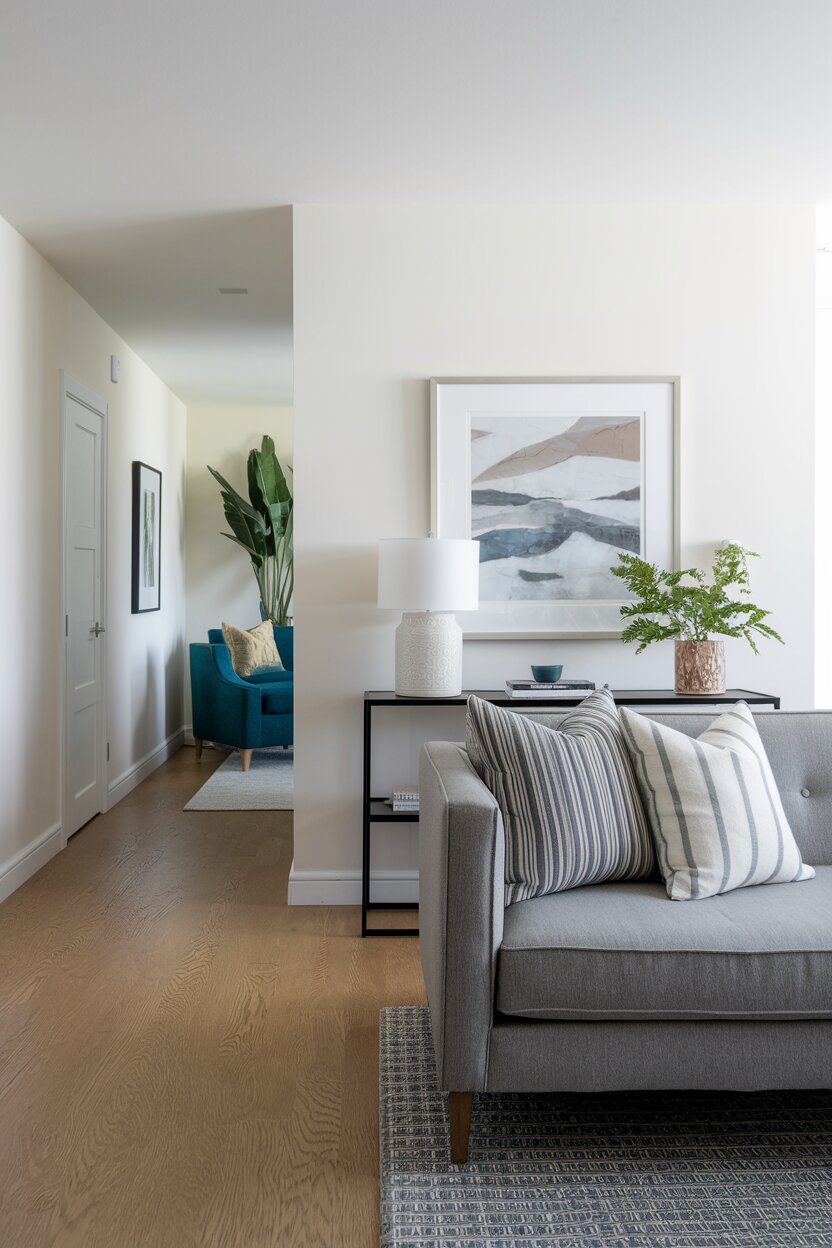
It’s tempting to push every piece against the wall to save space, but pulling your seating in slightly can make a small living room feel more generous, not less. Floating a sofa just a few inches off the wall creates a sense of flow and gives the eye somewhere to travel. Fill that narrow gap behind it with a slim console table or a shallow shelf, so the space isn’t wasted. This also carves out a natural walkway, so the room reads as designed rather than crammed in.
- 06 of 15
Add Vertical Storage
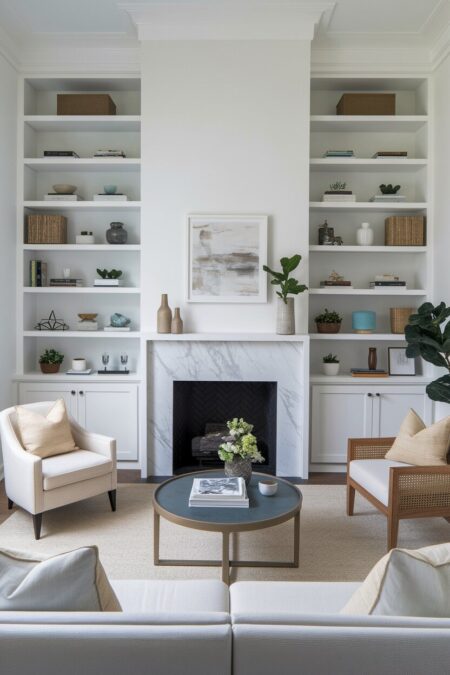
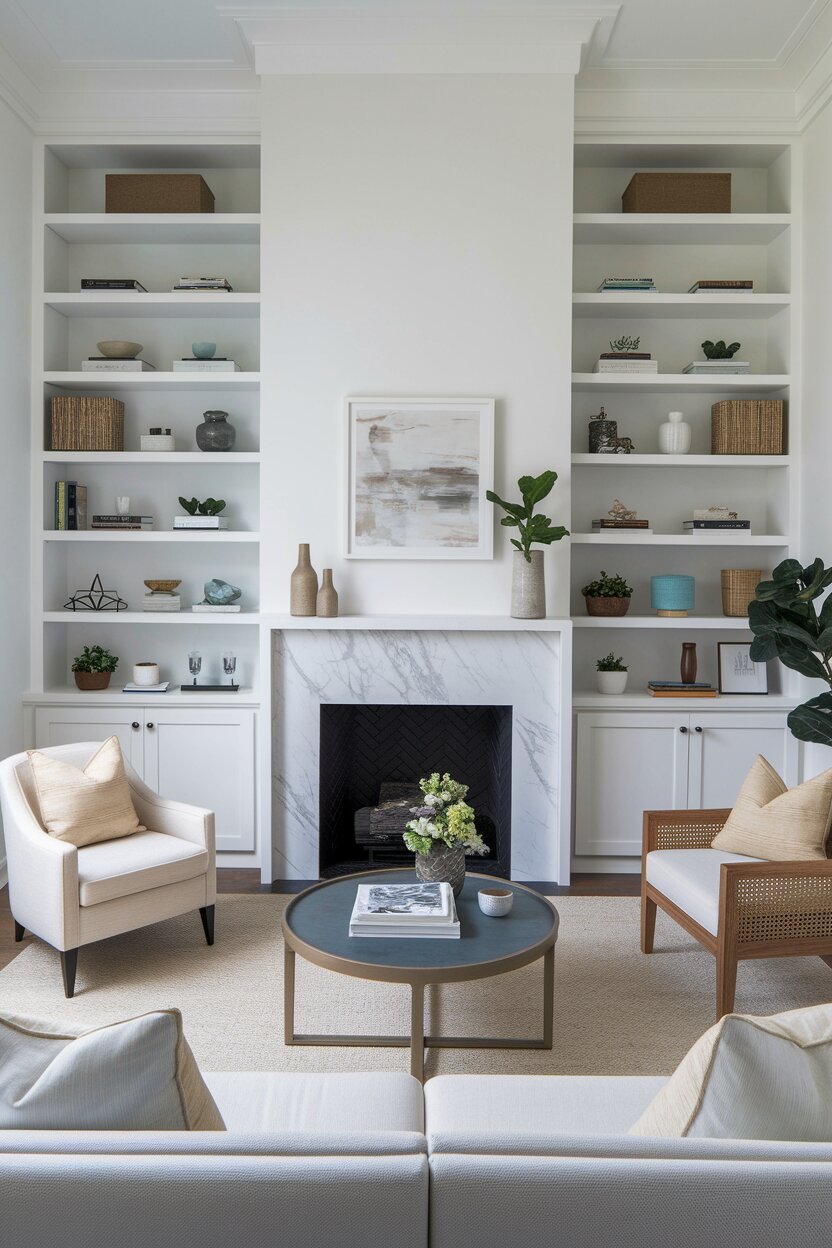
When floor space runs out, look up. Tall, narrow bookcases and floor-to-ceiling shelving use vertical real estate that would otherwise sit empty, and they pull the eye upward, which makes ceilings feel taller in the process. Built-in shelving flanking a fireplace or window is one of the most practical small living room ideas around, since it looks like part of the architecture rather than an afterthought. Keep the top shelves open or lighter in color, and save closed storage for the lower shelves, where clutter is easier to hide.
- 07 of 15
Layer in a Statement Rug
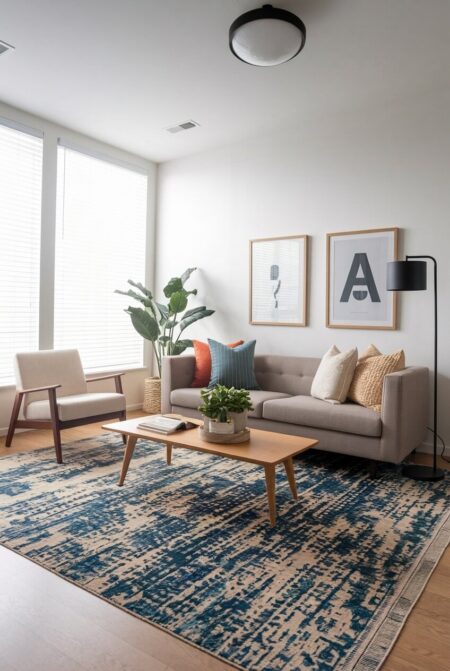
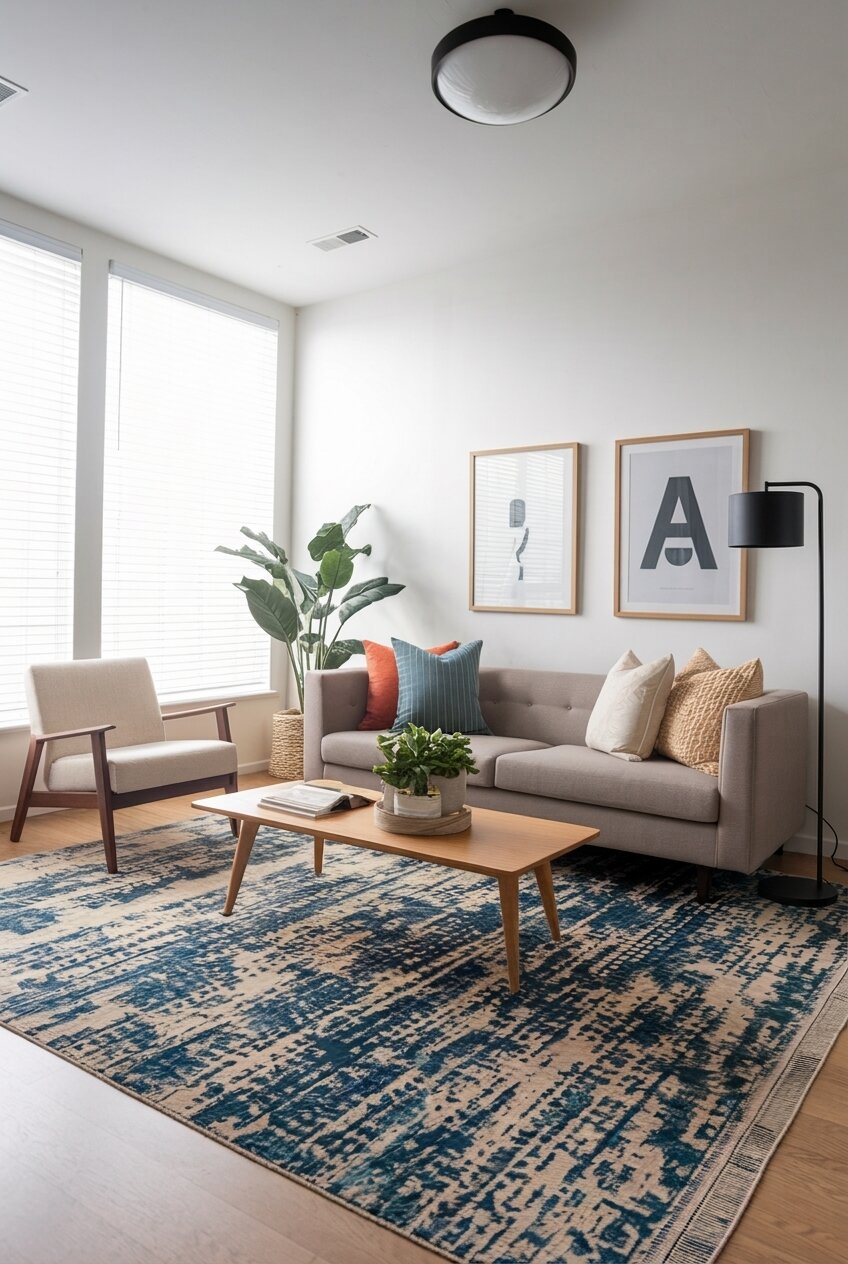
A well-placed rug can define a seating area even when the room is too small for walls to do the job. Go big. Choose a rug large enough that at least the front legs of your furniture sit on it; a too-small rug only draws attention to how little space you have. Light or mid-tone rugs help a small living room feel open, while a bold pattern can add personality without a single extra piece of furniture. Just make sure its colors connect with the rest of the room instead of fighting it.
- 08 of 15
Hang Curtains High and Wide
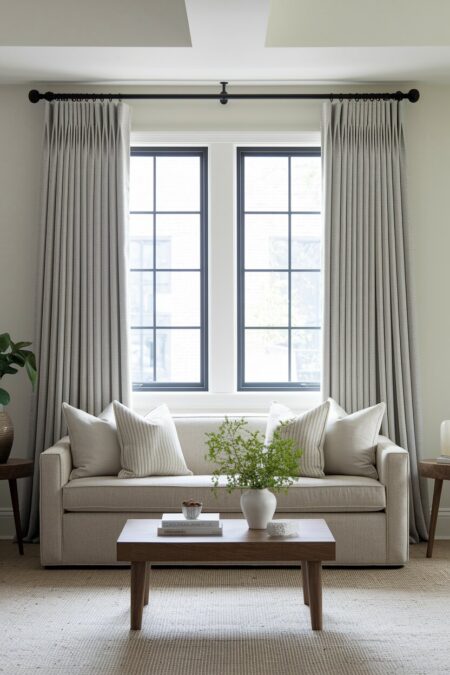
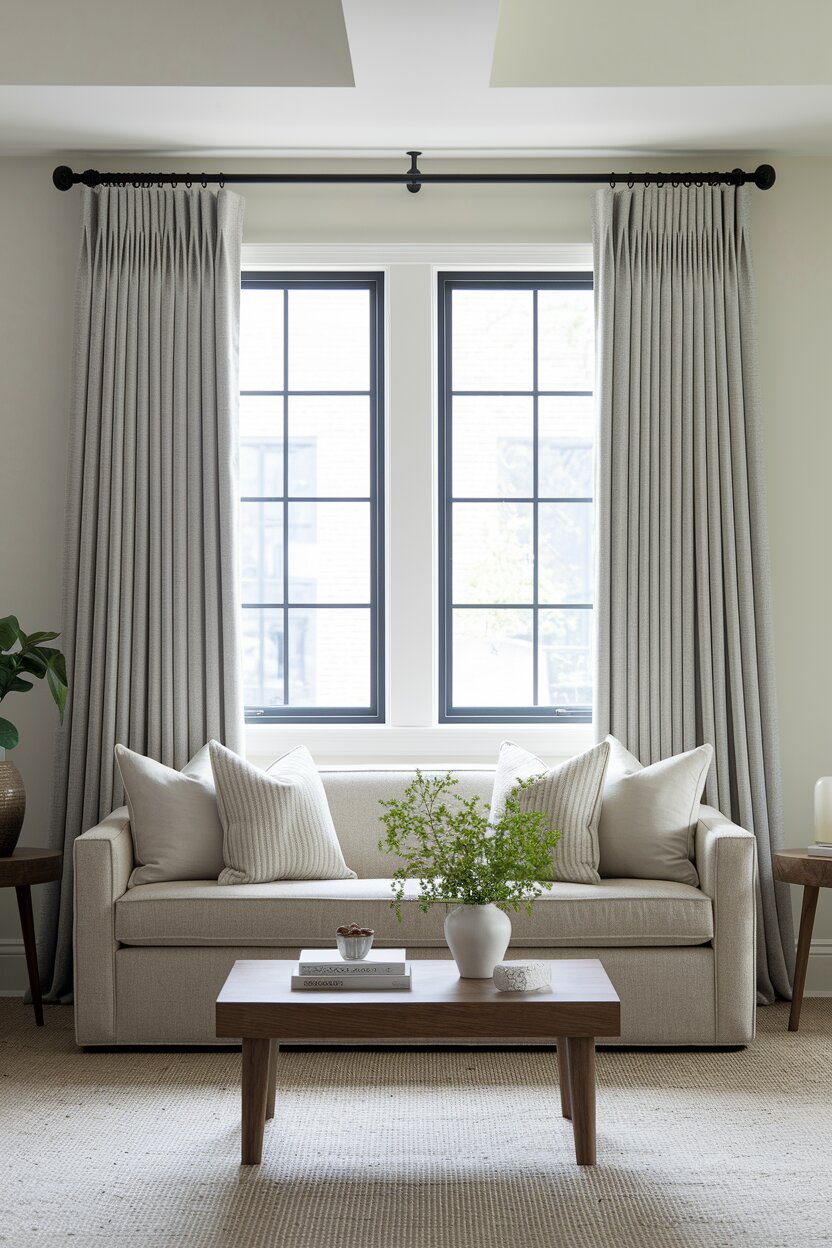
Small windows can make a room feel boxed in, but the curtains around them don’t have to. Mount the rod a few inches above the window frame, and extend it well past the edges of the window itself. This one adjustment tricks the eye into reading the window as larger, and it lets in more light once the panels are open. Stick to lightweight, sheer, or light-colored fabric, so the window stays the star of the show.
- 09 of 15
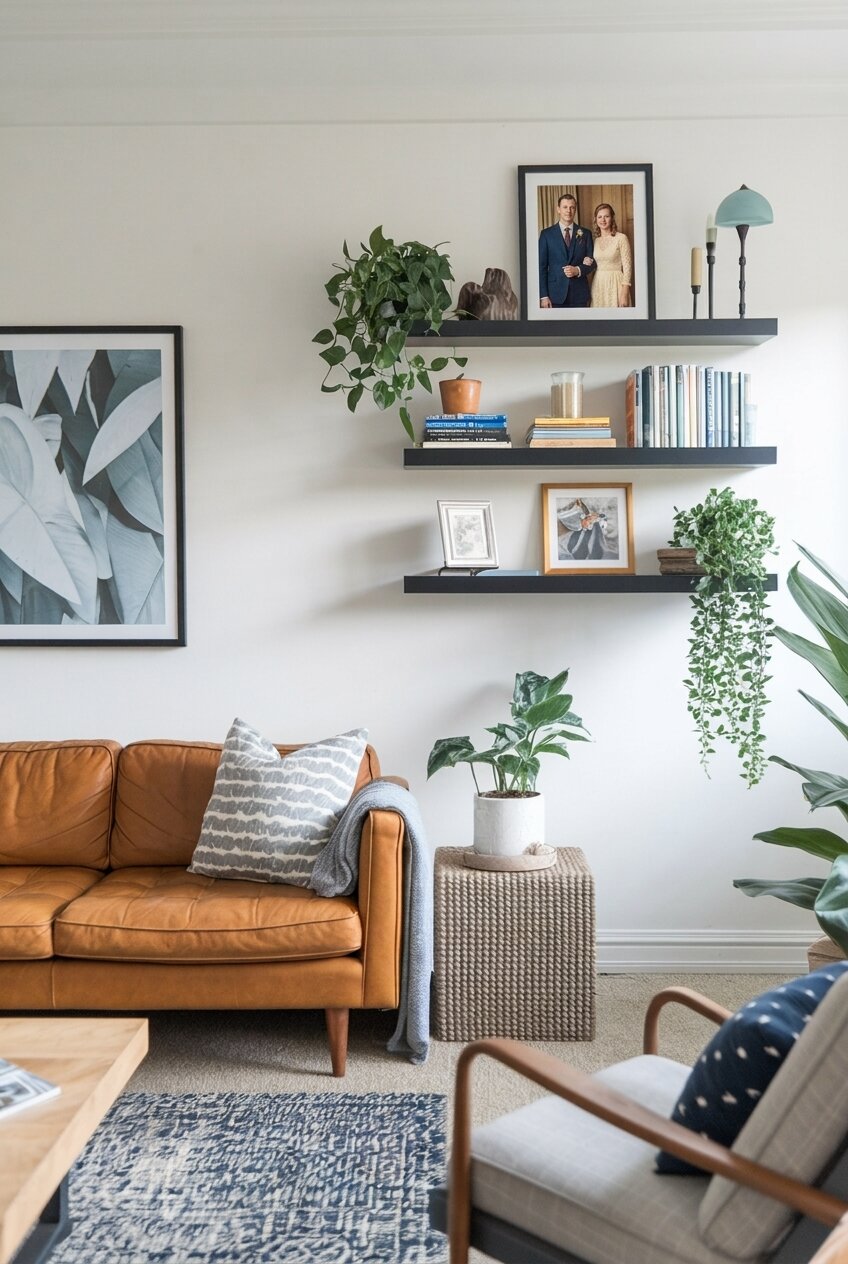
Swap Bulky Bookcases for Floating Shelves
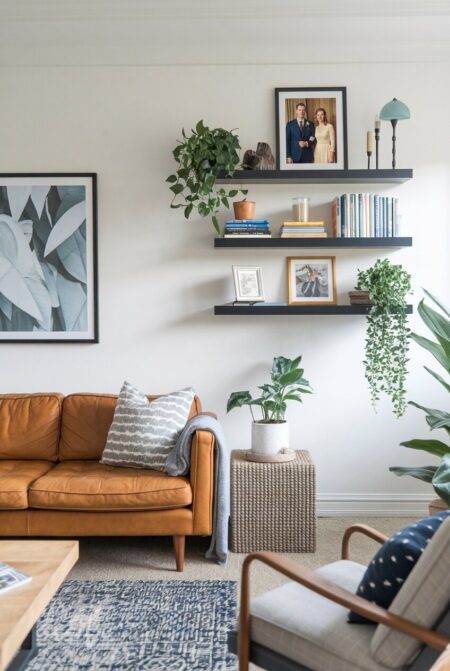
Freestanding bookcases eat up valuable floor space, even when they’re holding genuinely useful things. Floating shelves solve the same storage problem while leaving the floor visible underneath, which keeps a small living room feeling open. Stagger a few shelves at different heights for books, plants, or framed photos, and skip the visual bulk of a full cabinet. Since they mount straight to the wall, floating shelves also make a smart home for the everyday clutter you’d normally shove in a closet.
- 10 of 15
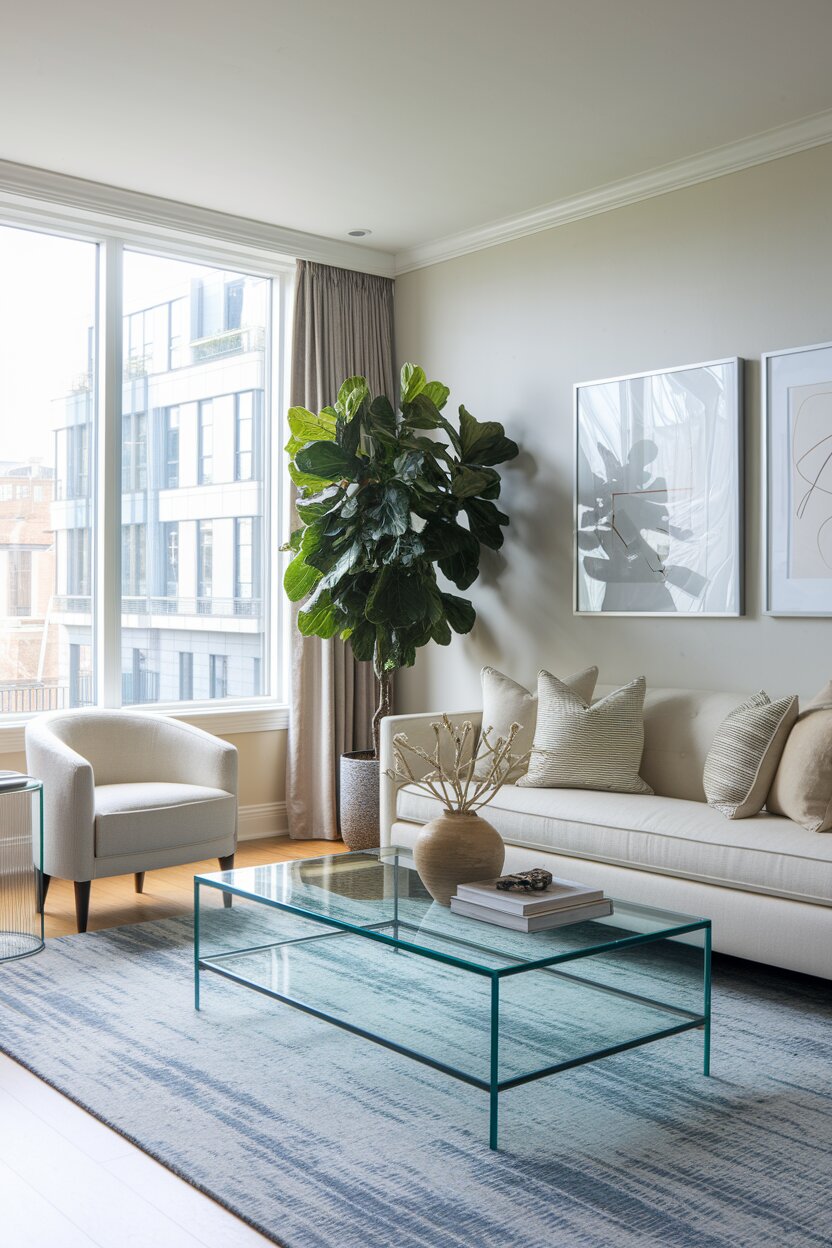
Choose See-Through Pieces
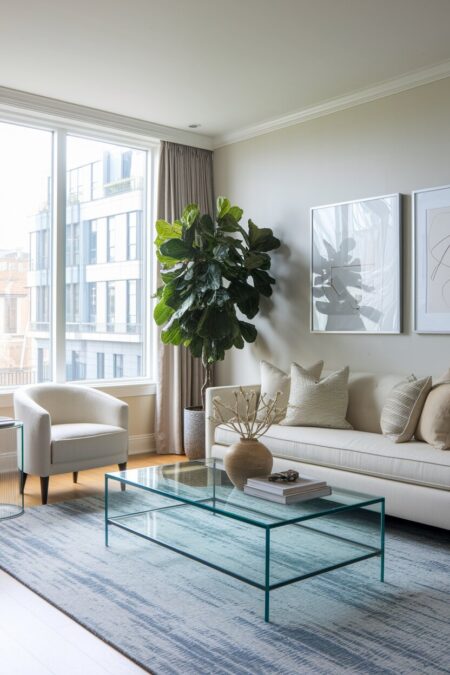
Furniture with glass, acrylic, or open metal frames takes up physical space without taking up visual space, which makes it a smart move in a small living room. A glass coffee table or an acrylic accent chair lets your eye travel straight through the piece instead of stopping on it. These see-through pieces work especially well next to solid furniture, softening a room that might otherwise feel packed with heavy shapes. Start small. Try a single acrylic side table before committing to anything bigger.
- 11 of 15
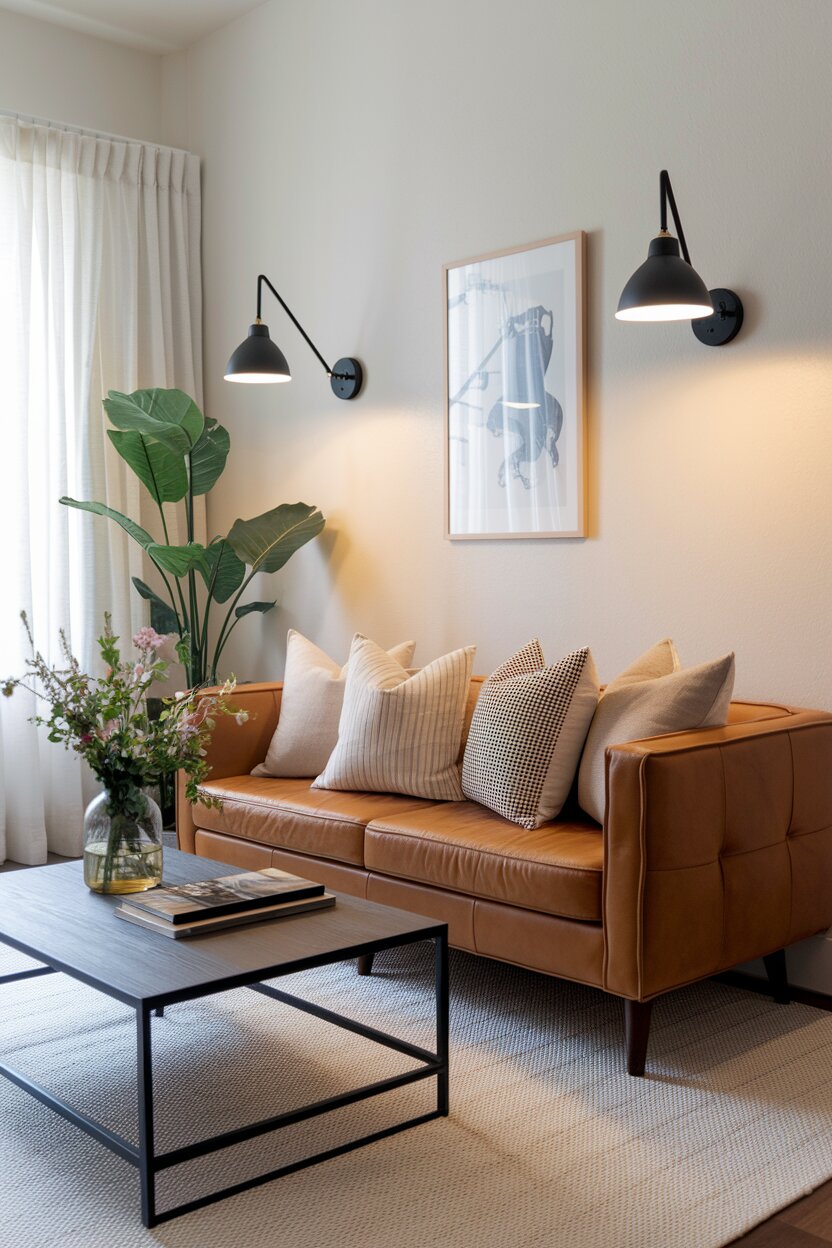
Layer Your Lighting
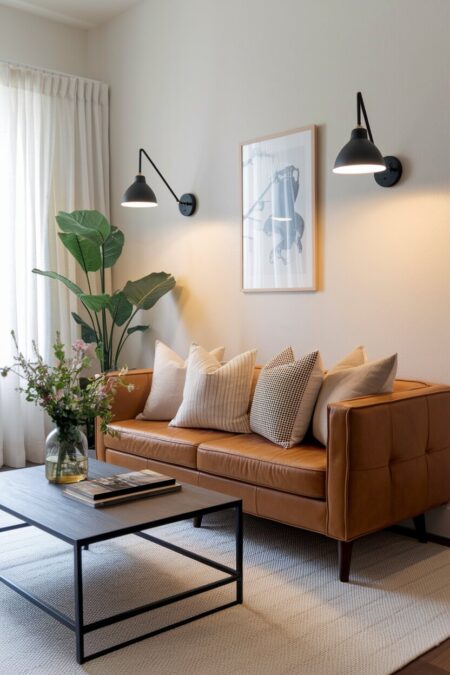
One overhead fixture leaves a small living room feeling flat, and it can let the corners of the room fall into shadow. Add a floor lamp, a table lamp, even a picture light, to build pools of warm light across the space instead. Wall-mounted sconces are especially useful here, since they free up surface space that would otherwise be holding a lamp. Dimmable bulbs let you shift the mood from bright and functional in the daytime to soft and relaxed by evening.
- 12 of 15
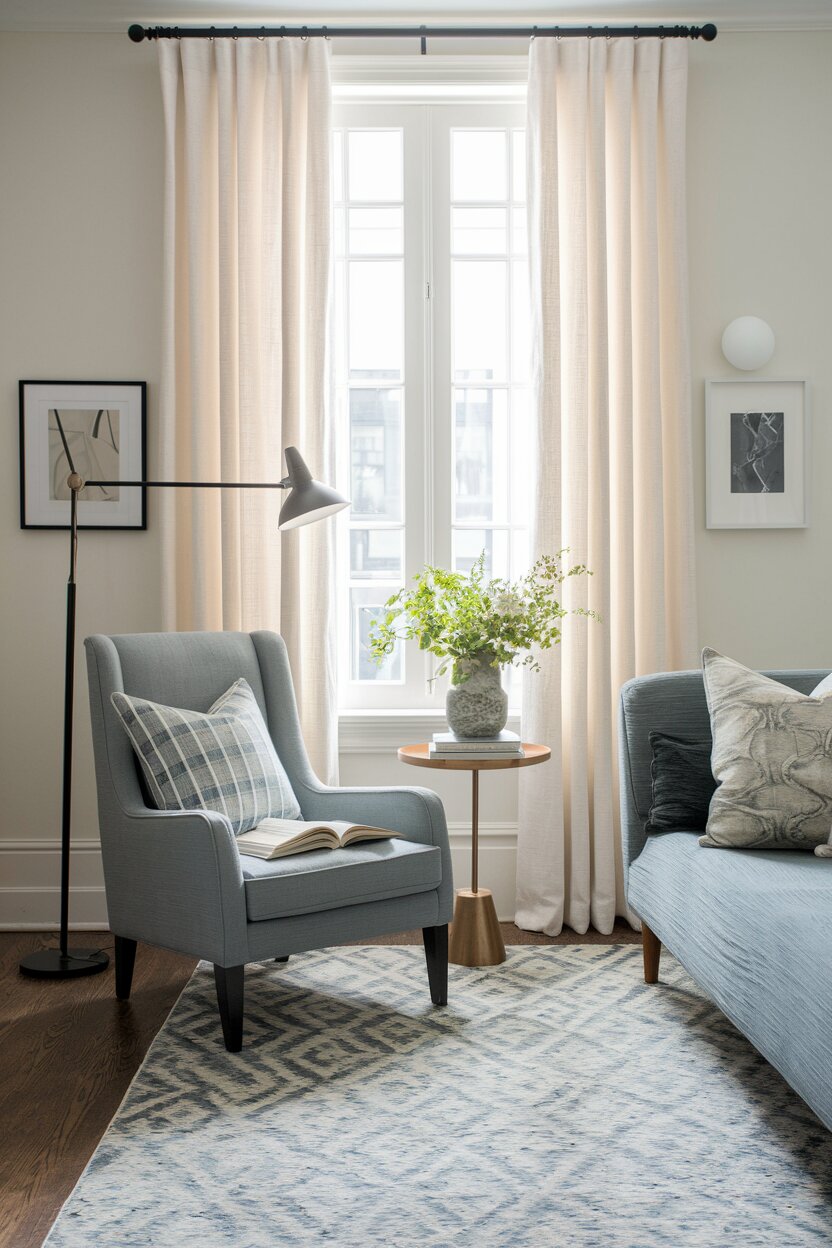
Carve Out a Snug Reading Nook
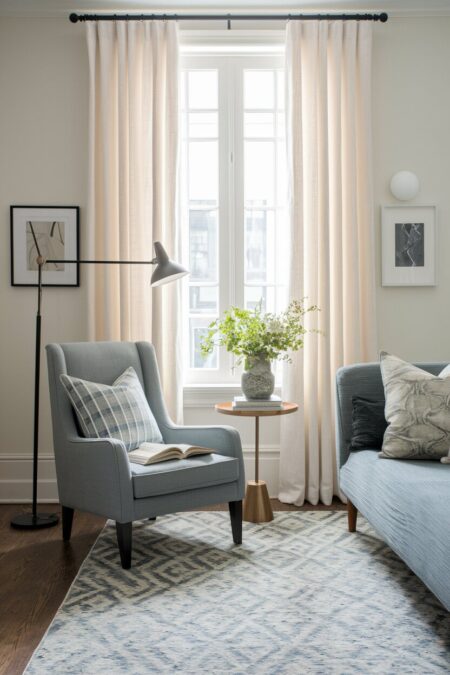
Even the smallest living room usually has one underused corner. Turn it into a reading nook, and the whole room starts to feel more purposeful. A single armchair, a small side table, and a floor lamp are often all it takes. Tuck the nook near a window if you can; natural light does a lot of the decorating for you. It’s proof that a dedicated function doesn’t require a lot of square footage.
- 13 of 15
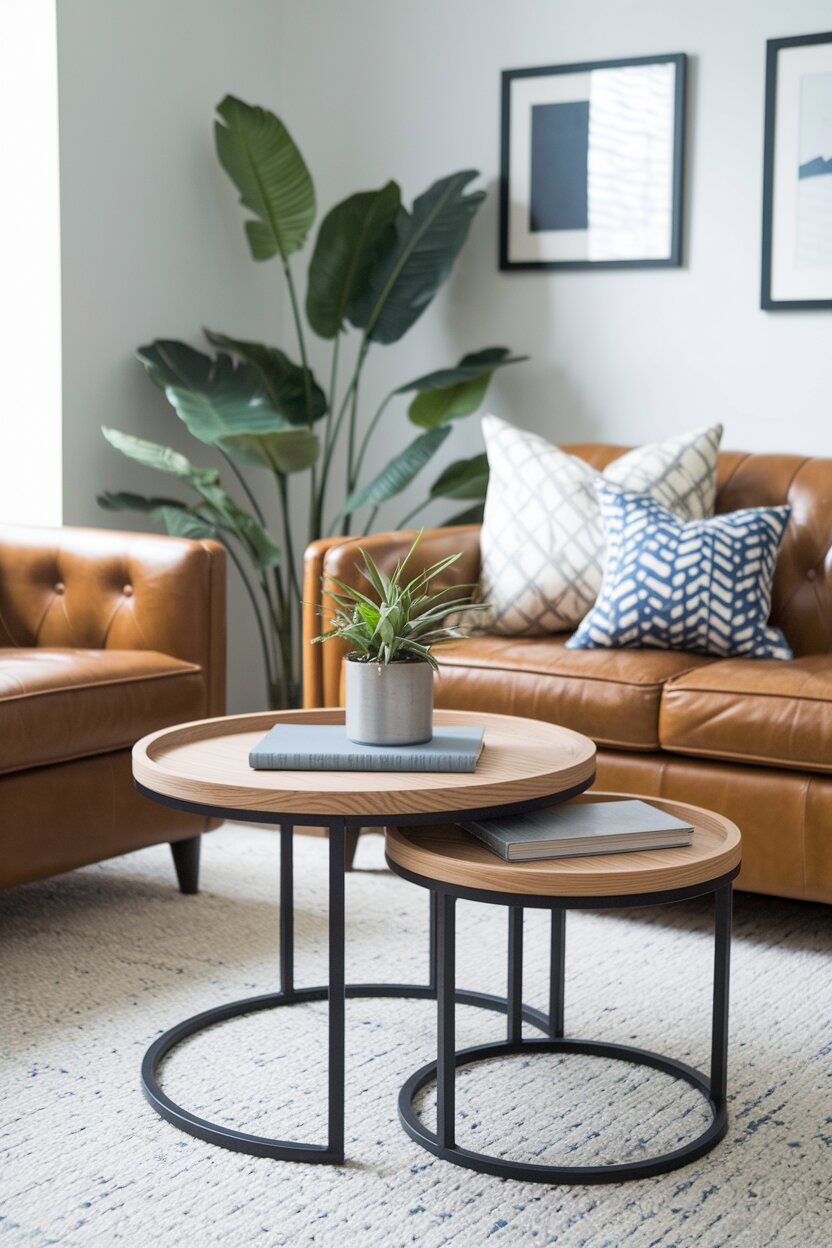
Swap the Coffee Table for Nesting Tables
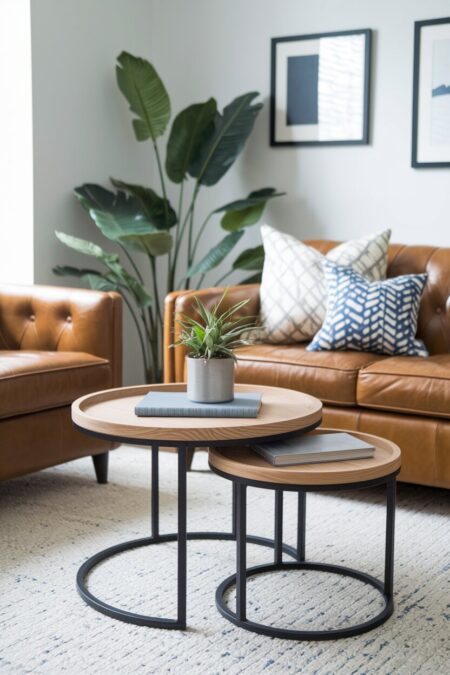
A traditional coffee table can dominate a small living room, especially if it’s the wrong scale for the sofa in front of it. Nesting tables solve that problem by offering the same surface area in a smaller footprint. Pull them apart when guests need extra tabletop space, then stack them back together the rest of the time to reclaim the floor. Choose a set in mixed materials, like wood and metal, to add a little visual interest to an otherwise practical swap.
- 14 of 15
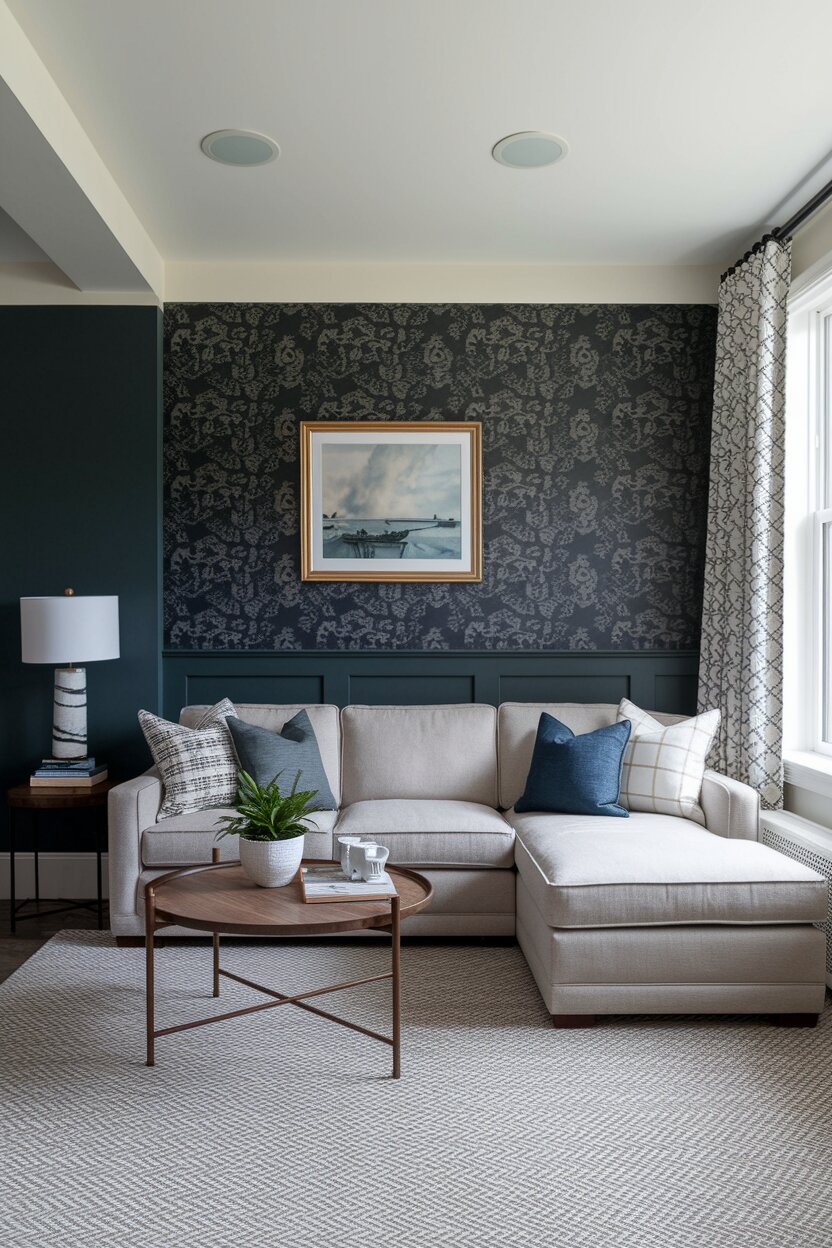
Add a Bold Accent Wall
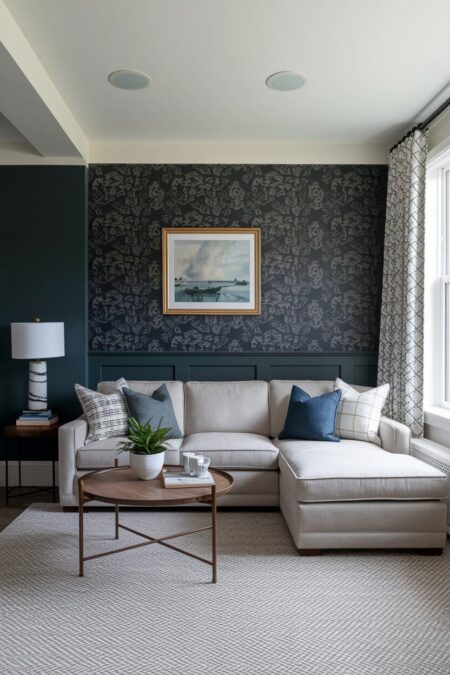
Not every small living room idea has to stay neutral. A single wall in a deep, saturated color, or one dressed in wallpaper, can add drama without overwhelming the whole room, as long as the rest of the walls stay light. The contrast pulls the eye toward the wall itself rather than the edges of the room, which can make the space feel larger by comparison. Choose the wall behind the sofa, or whichever one greets you first when you walk in, for the most impact.
- 15 of 15
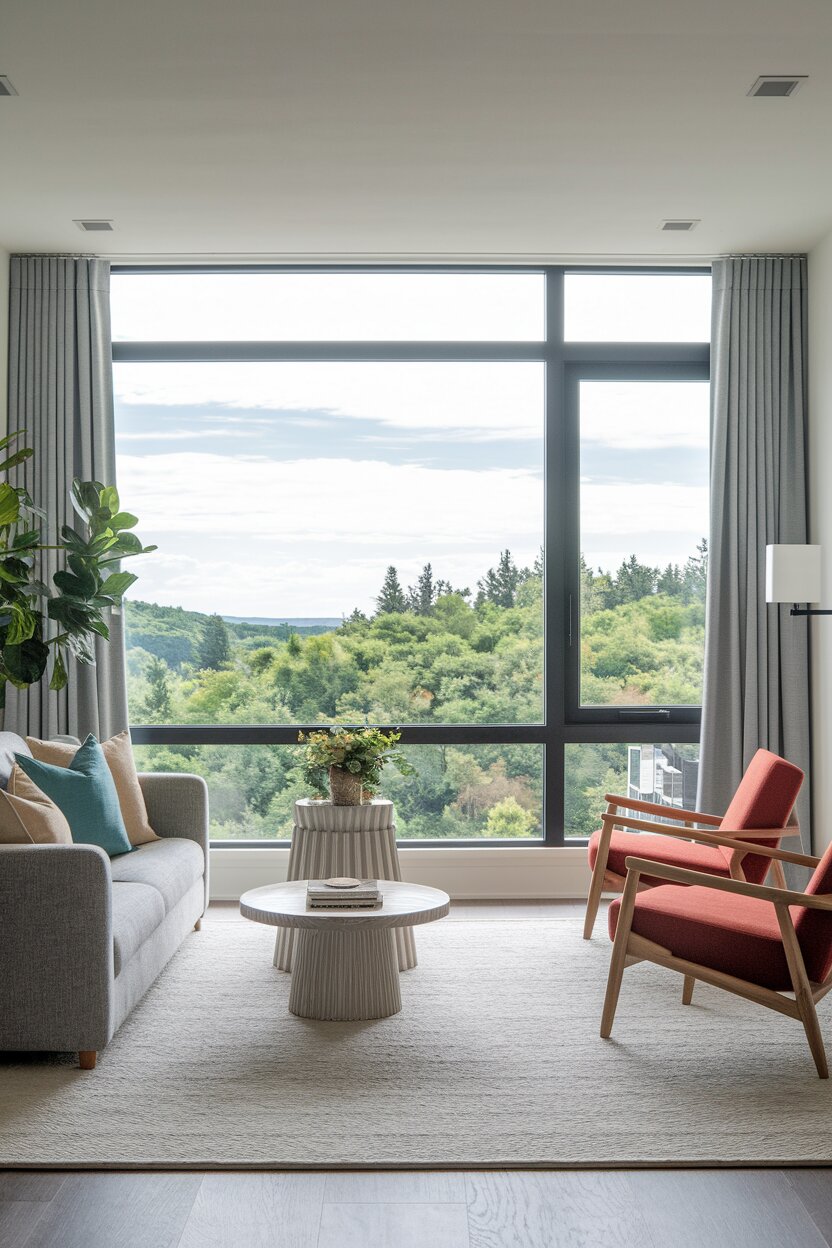
Keep Window Views Unobstructed
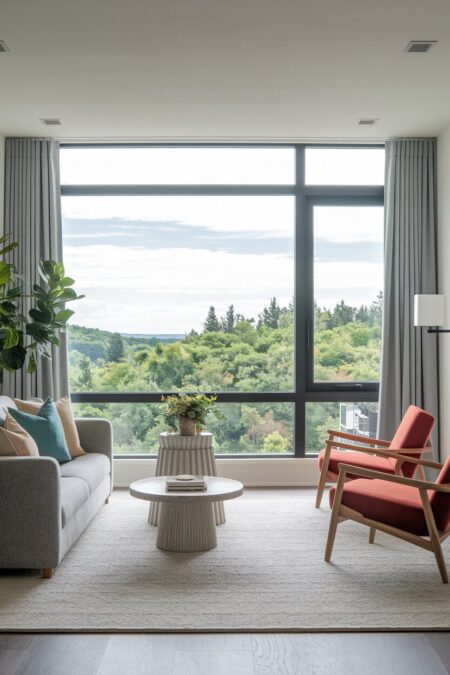
Whatever you can see through a window becomes part of the room in your mind, so protecting that view matters more in a small space. Skip placing tall furniture or floor lamps directly in front of windows, and keep curtains pulled back during the day. If you’re lucky enough to have a view of greenery or open sky, let it do some of the decorating for you. This small living room idea costs nothing, and it pays off every single day the sun is out.