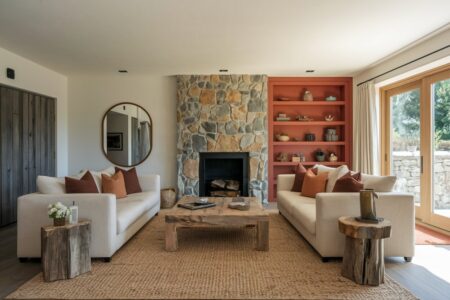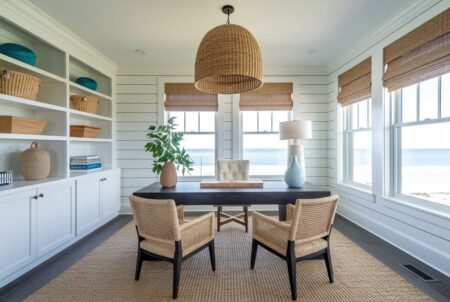
Transitional interior design is one of the most popular aesthetic choices for modern homeowners. It sits at the delicate intersection of “then” and “now.” If you find minimalist modernism too cold but traditional styles too cluttered, this is likely your ideal look.
It is a style defined by harmony. Instead of choosing a specific era, you are choosing a feeling of cohesion.
DEFINITION
Transitional interior design is a cohesive aesthetic that blends the elegance of traditional styles with the clean lines and profiles of contemporary decor. It focuses on balance, neutral palettes, and a mix of textures to create a space that feels both timeless and current.
Why Transitional Style is Trending Today
The rise of transitional style reflects a collective desire for comfort without sacrificing sophistication. People want homes that feel lived-in but look curated. It avoids the rigidity of a museum-like traditional home. Simultaneously, it softens the sharp edges often found in ultra-modern architecture.
This style is versatile. It adapts to various floor plans and personal tastes. It allows you to keep family heirlooms while introducing sleek, new furniture pieces.
Key Characteristics of Transitional Interior Design
Identifying a transitional space requires looking for specific visual cues. These elements work together to create the “middle ground” effect.
1. A Neutral Color Palette
Color plays a vital role here. You won’t often see neon or high-contrast primary colors. Instead, the focus remains on:
- Creams and beiges
- Soft taupes
- Warm grays
- Subtle blues or greens as accents
2. Balanced Furniture Profiles
The furniture is the heart of transitional design. It avoids the heavy, ornate carvings of the Victorian era. However, it also avoids the extreme “boxy” look of mid-century modernism. Lines are typically curved but simple.
3. Textural Diversity
Since the color palette is muted, texture does the heavy lifting. You will see a mix of matte and shiny finishes. Think of a plush velvet sofa paired with a sleek glass coffee table.
Practical Tips for Achieving the Transitional Look
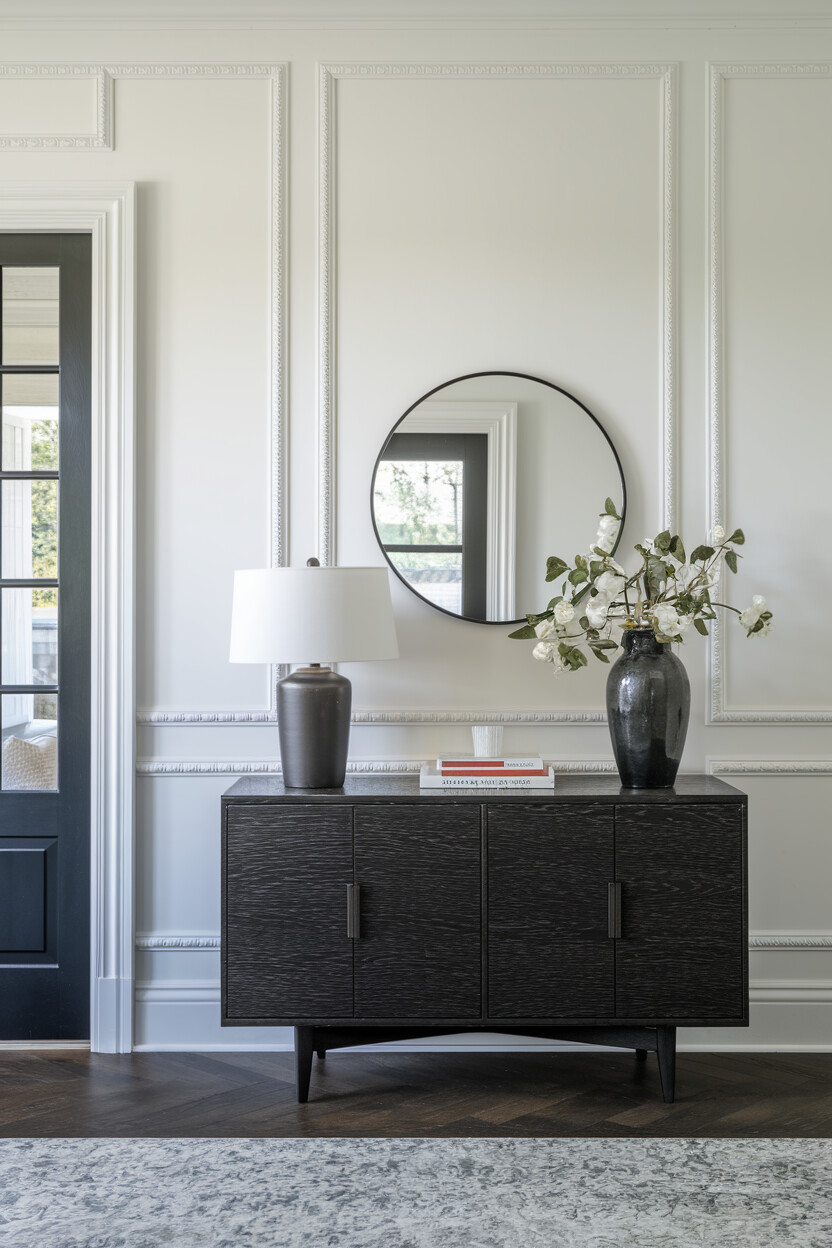
Creating this look requires a disciplined eye. You want to avoid leaning too far in one direction.
- Limit Your Accessories: Keep surfaces relatively clear. Choose a few high-quality pieces rather than many small trinkets.
- Focus on Scale: Large-scale furniture can work well, provided the room doesn’t feel cramped.
- Mix Your Metals: Don’t be afraid to pair matte black hardware with brushed gold light fixtures.
- Incorporate Natural Elements: Use wood, stone, and organic fabrics like linen to ground the room.
Choosing the Right Materials
In transitional design, materials should feel substantial. Natural stones like marble and granite are staples for surfaces. For flooring, wide-plank oak is a favorite.
Fabrics should be durable yet luxurious. Chenille, cotton, and leather are excellent choices. The goal is to create a tactile experience that invites you to sit down and stay a while.
Transitional Design Examples in the Home
Transitional Living Room
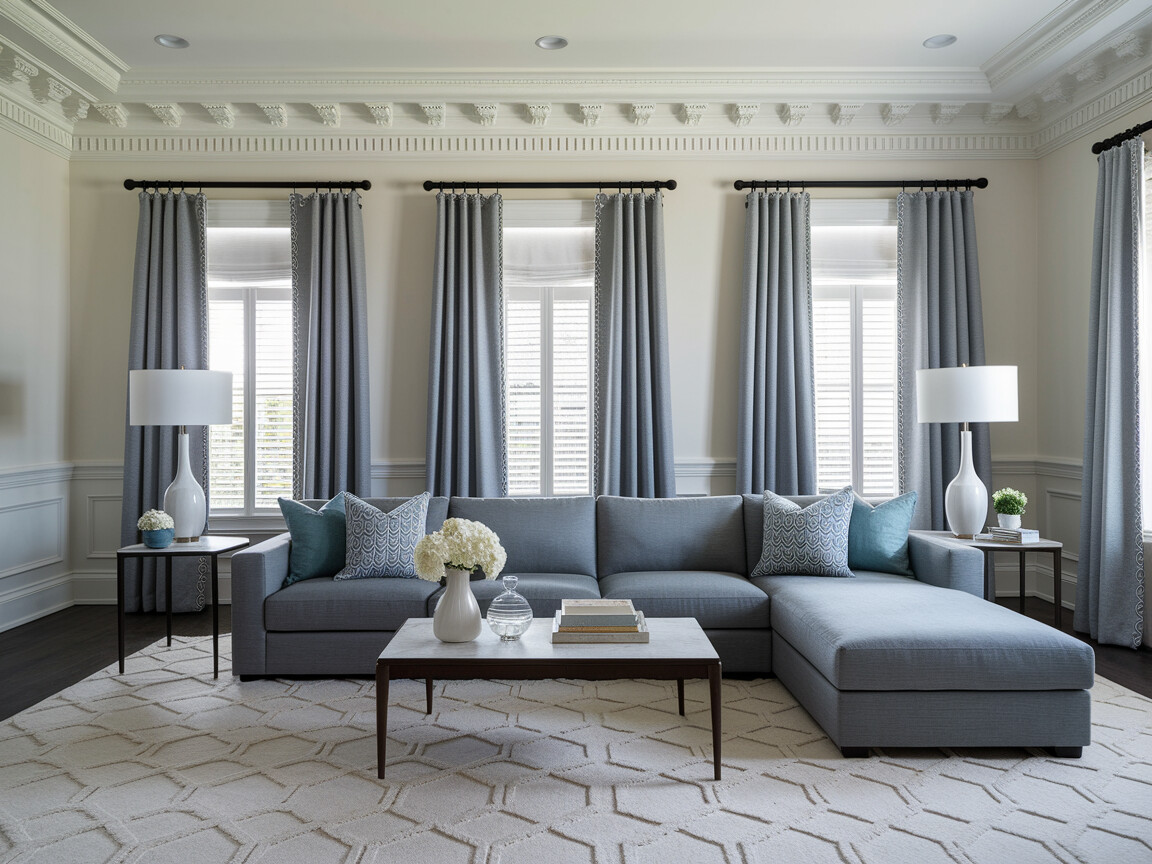
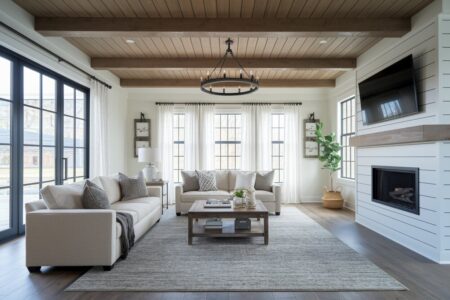
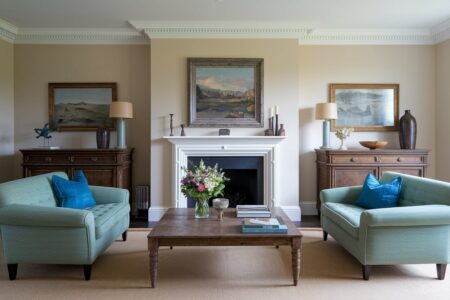
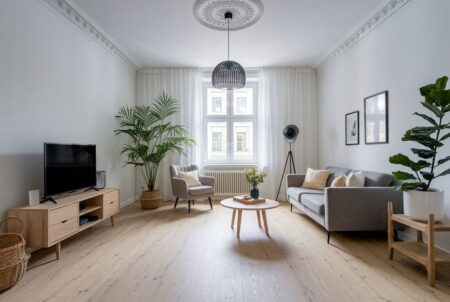
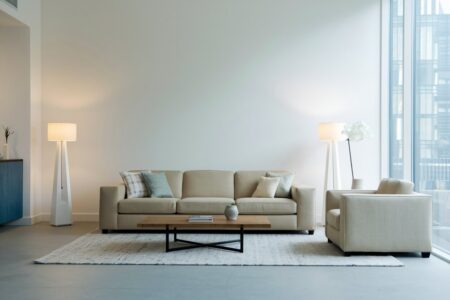
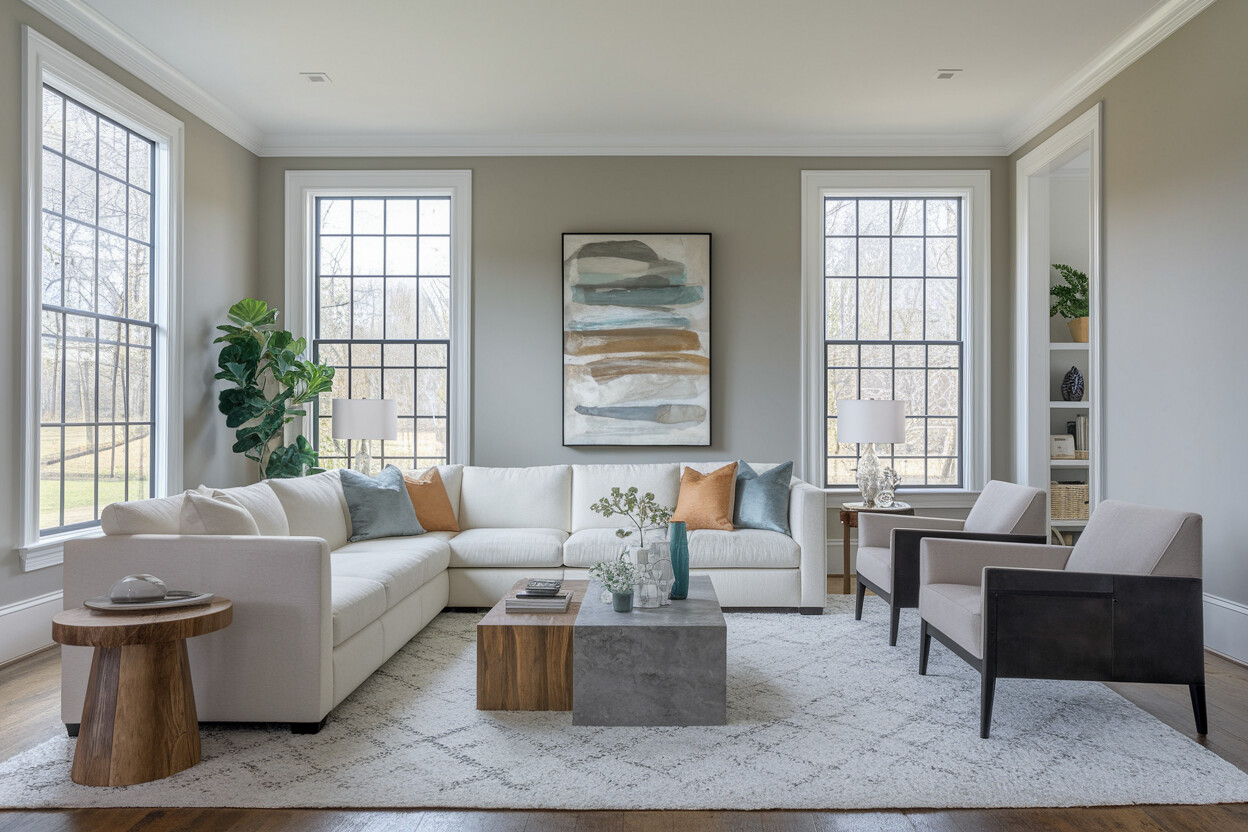
Imagine a room with crown molding (traditional) but featuring a streamlined sectional sofa (modern). A soft, area rug in a geometric pattern pulls the two worlds together.
Transitional Kitchen
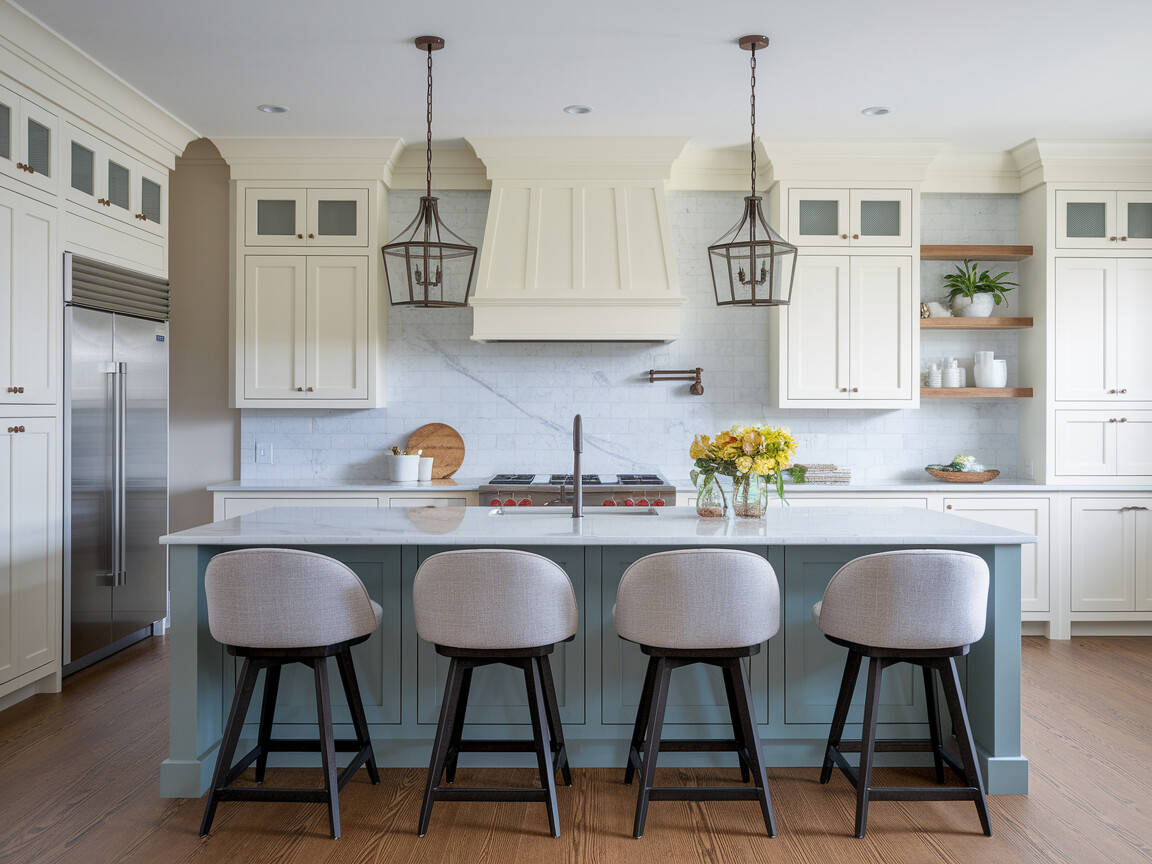
A classic example is the Shaker-style cabinet. It has a traditional frame but a clean, flat center panel. Pair these with modern industrial pendant lights and marble countertops for a perfect transitional finish.
Transitional Bedroom
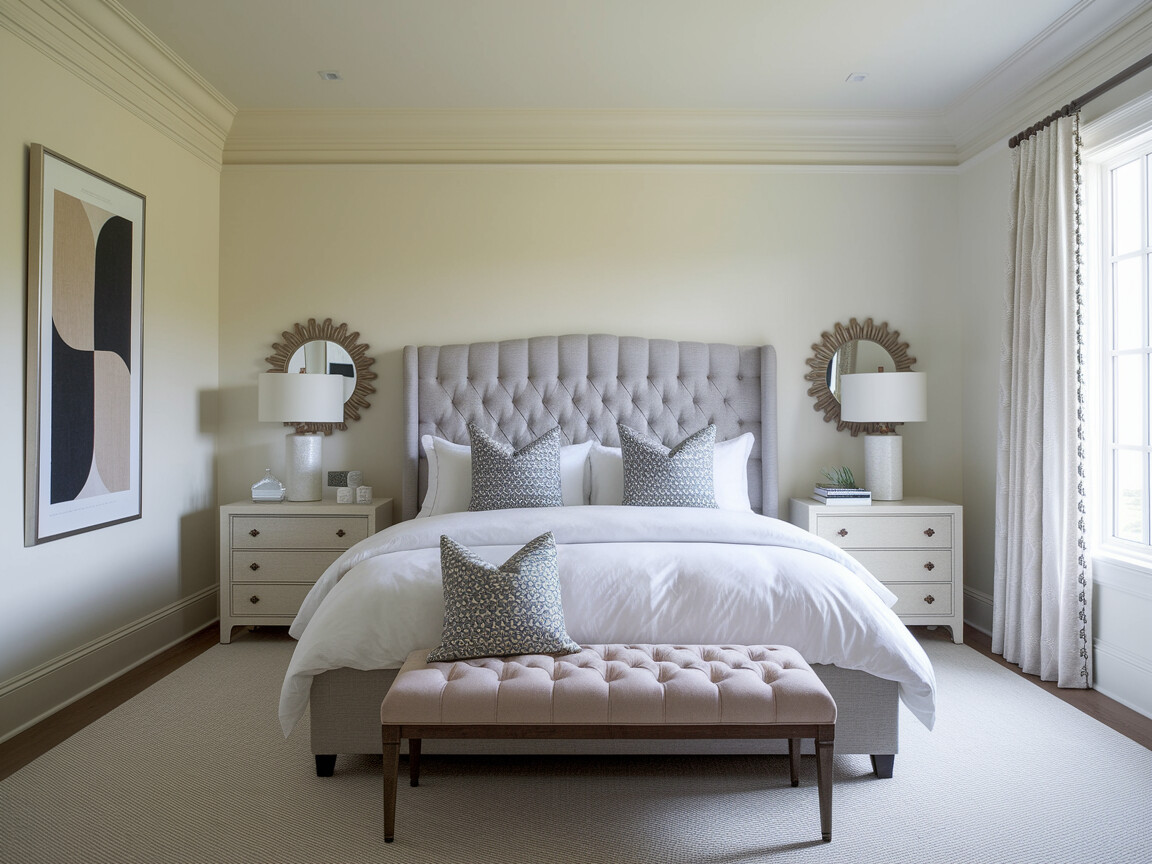
A tufted headboard provides a traditional focal point. Frame it with minimalist nightstands and contemporary abstract art on the walls.
FAQ: Understanding Transitional Interior Design Style
Is transitional design the same as modern farmhouse?
No. While they both use neutrals, modern farmhouse is more rustic. Transitional style is more polished and leans toward classic elegance rather than country charm.
Can I use bold colors in a transitional space?
Yes, but use them sparingly. Bold colors should appear in art, throw pillows, or small accents. The “bones” of the room — walls and large furniture — should stay neutral.
Is transitional style expensive to implement?
It can be tailored to any budget. Because it is a blend, you can often find pieces at various price points. The focus is on the silhouette and color, not necessarily the brand name.
How do I start transitioning my current home?
Start by decluttering. Remove overly ornate items. Paint your walls a warm, soft white. Slowly introduce furniture with cleaner lines to balance your existing traditional pieces.
The Longevity of the Transitional Style
Transitional design isn’t a “trend” that will disappear next season. Because it relies on balance and neutrality, it is remarkably future-proof. It allows your home to evolve as your tastes change. By investing in this style, you are creating a foundation that will remain stylish for decades to come.