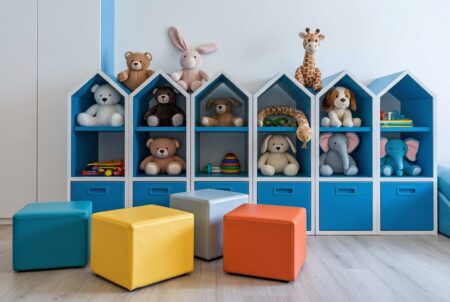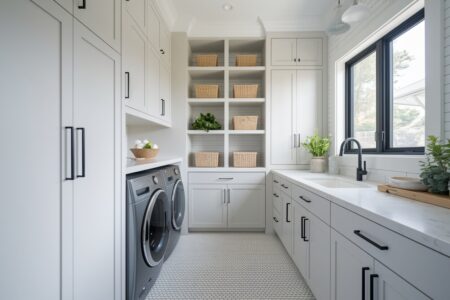
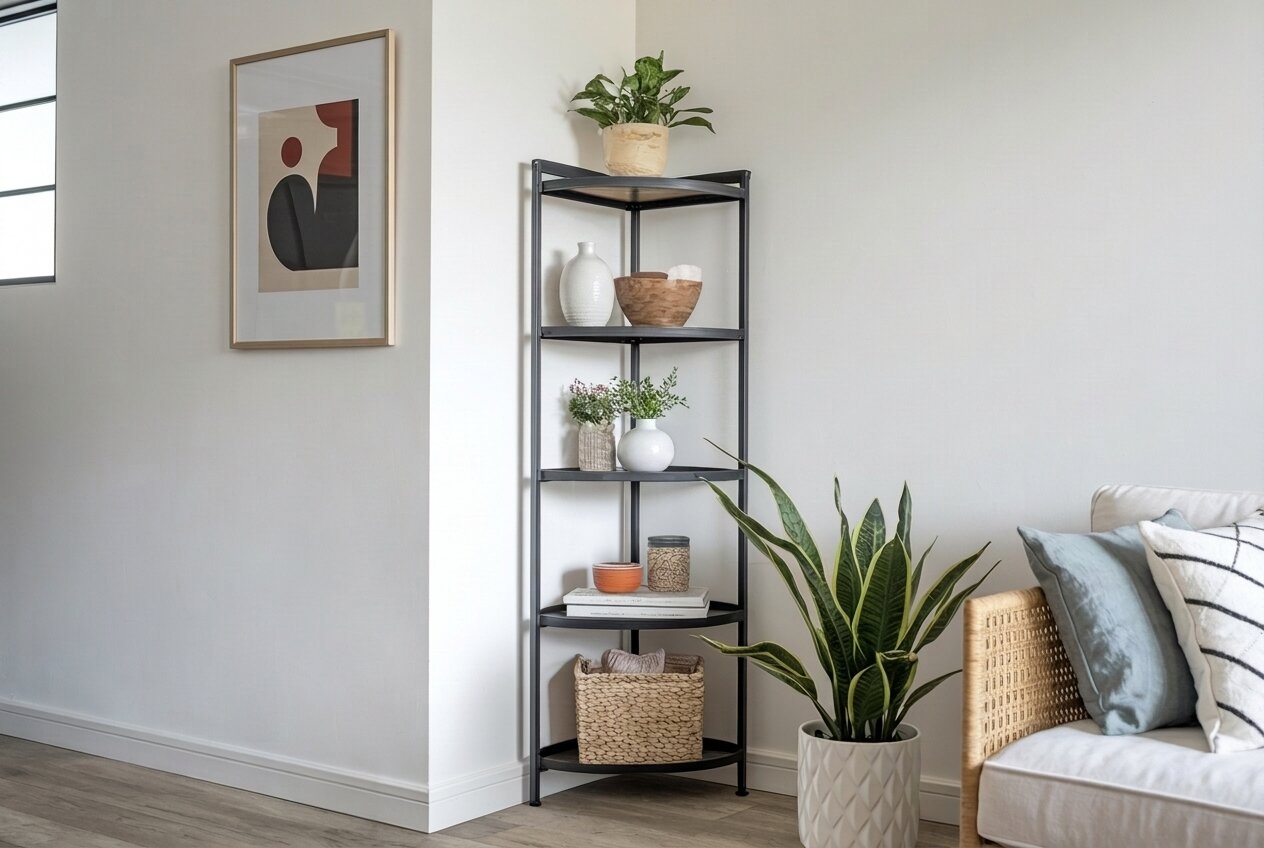
Finding the right small space storage solutions often means looking where others don’t: the corners of your home. These often-neglected angles hold immense potential for reducing clutter and adding architectural interest to a room. Whether you are dealing with a cramped studio apartment or a spacious family home, maximizing every square inch is essential for a breathing, harmonious living environment.
The following corner storage ideas blend high-end aesthetics with practical utility. These strategies focus on transforming “dead zones” into organized hubs, ensuring that your home feels both larger and more curated.
- 01 of 12
Floating Corner L-Shelves
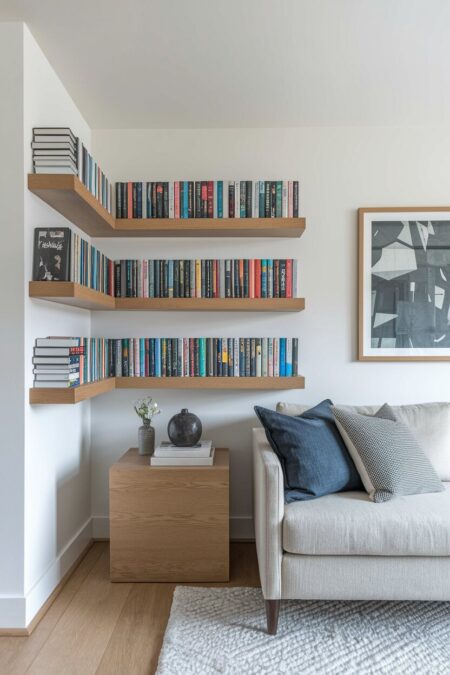
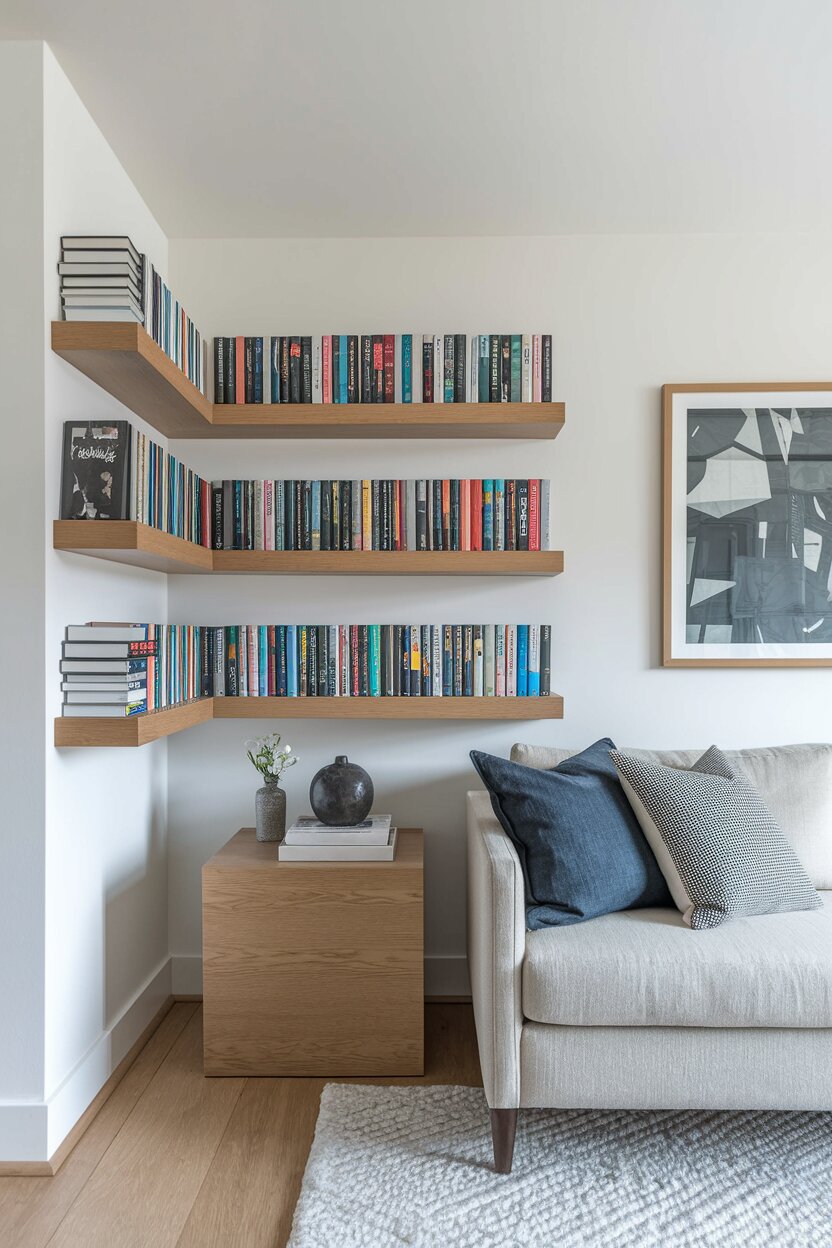
Floating shelves are a classic for a reason, but extending them into an L-shape specifically for corners creates a seamless, built-in look that standard shelves lack. By eliminating visible brackets, you maintain a minimalist aesthetic that keeps the room feeling airy. This is particularly effective in living rooms for displaying curated book collections or in kitchens for frequently used spices and jars.
To get the best result, use a laser level during installation to ensure both sides of the “L” align perfectly. If you are storing heavier items like cookbooks or ceramics, ensure you are anchoring the shelves into wall studs or using heavy-duty toggle bolts to prevent sagging over time.
- 02 of 12
The Iconic Lazy Susan
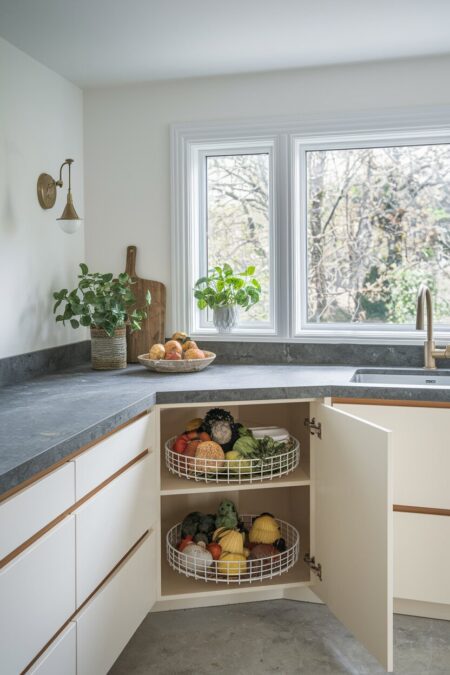
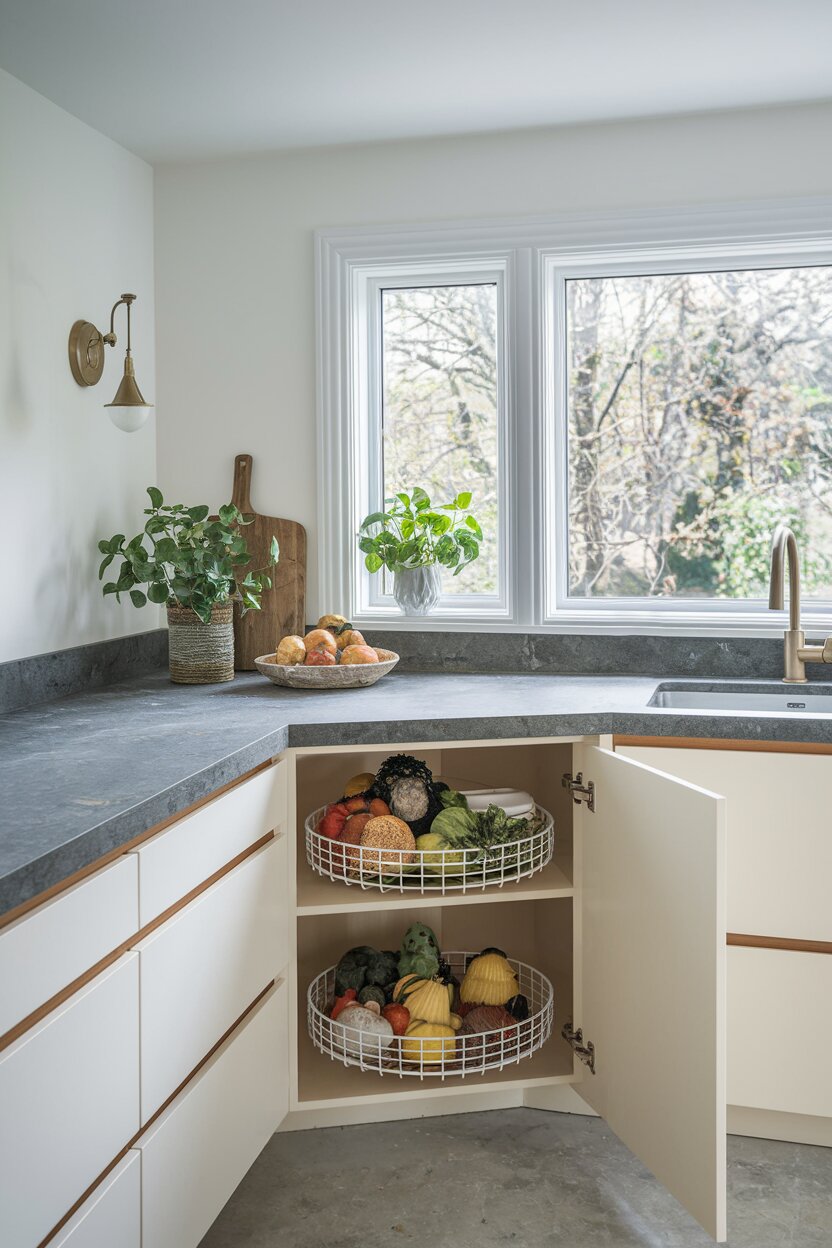
In the world of kitchen organization, the Lazy Susan remains an undefeated champion for deep corner cabinets. These rotating trays allow you to access items tucked away in the very back without having to remove everything in front. Modern versions now include “Super Susans,” which are mounted on fixed shelves rather than a central pole, offering even more weight capacity and stability.
When organizing a Lazy Susan, group items by height and category. Place taller bottles toward the center to prevent them from tipping over the edge when the tray spins, and use non-slip liners to keep smaller containers from sliding around during rotation.
- 03 of 12
Tiered Corner Tension Poles
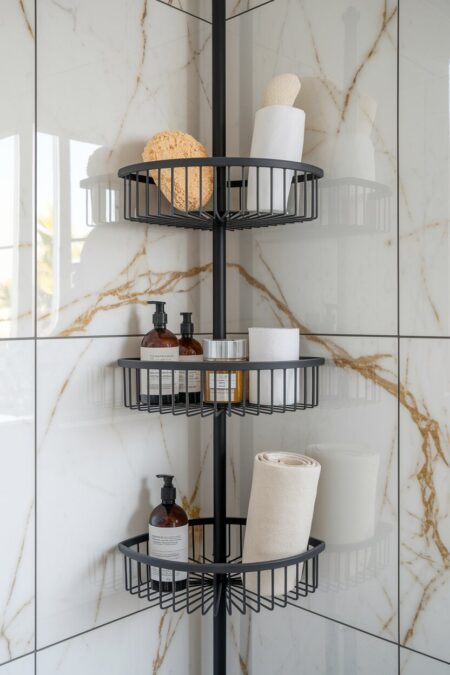
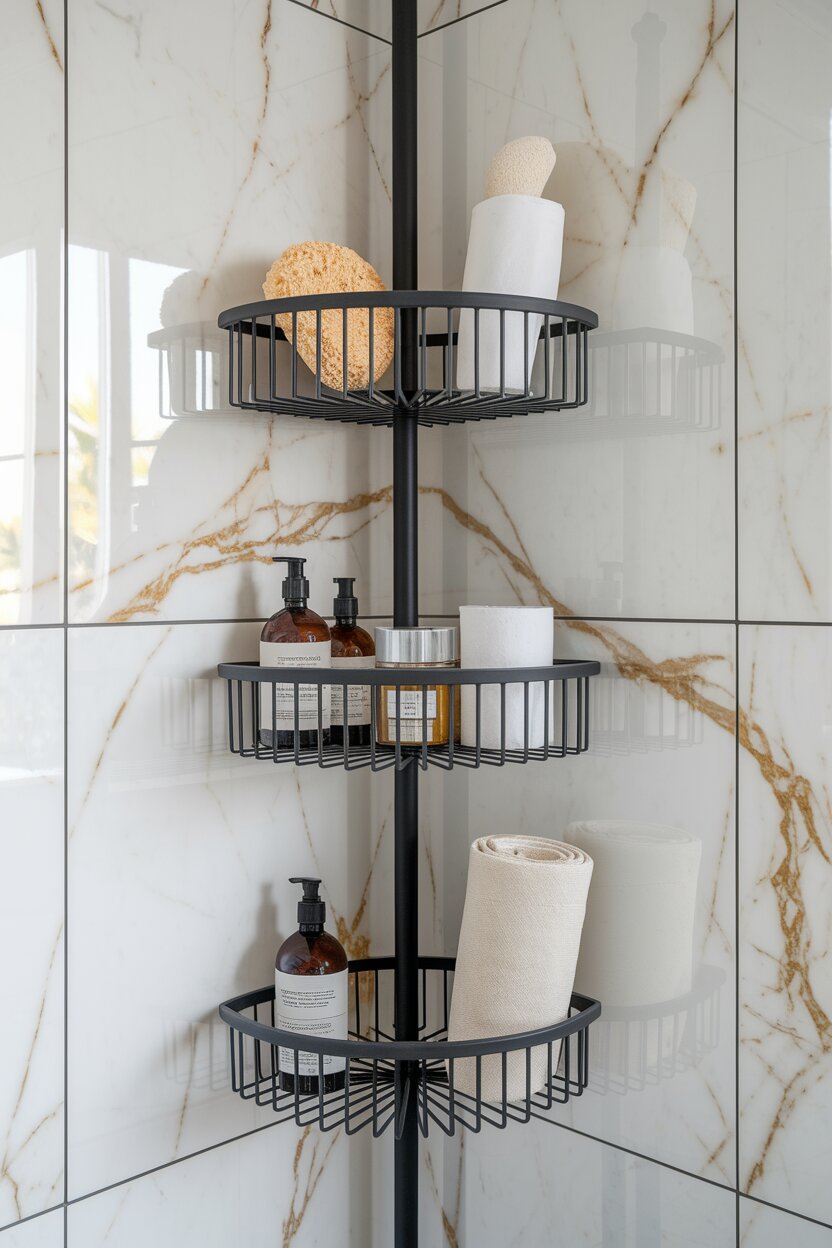
Bathrooms and laundry rooms often suffer from a lack of horizontal surface area. A floor-to-ceiling tension pole with adjustable corner baskets utilizes vertical height that would otherwise go to waste. This is an excellent corner storage solution for renters because it requires zero drilling while providing multiple tiers for toiletries, detergents, or cleaning supplies.
Check the weight limits of your specific tension pole model before loading it up. Distribute the weight evenly across the baskets to maintain the pole’s vertical integrity, and place the most frequently used items at chest height for ergonomic access.
- 04 of 12
Built-In Corner Banquettes with Hidden Storage
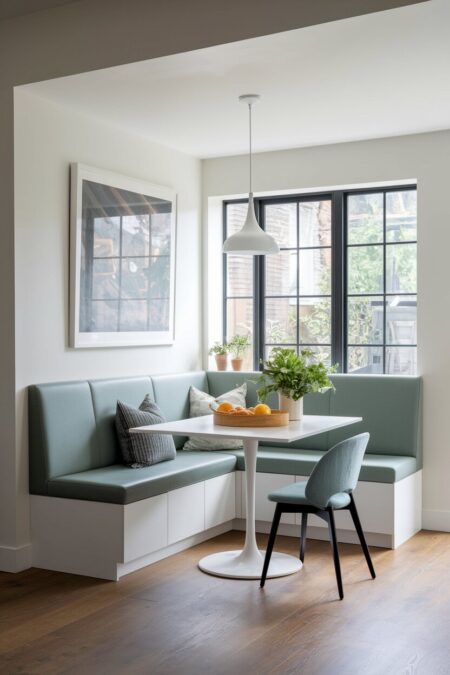
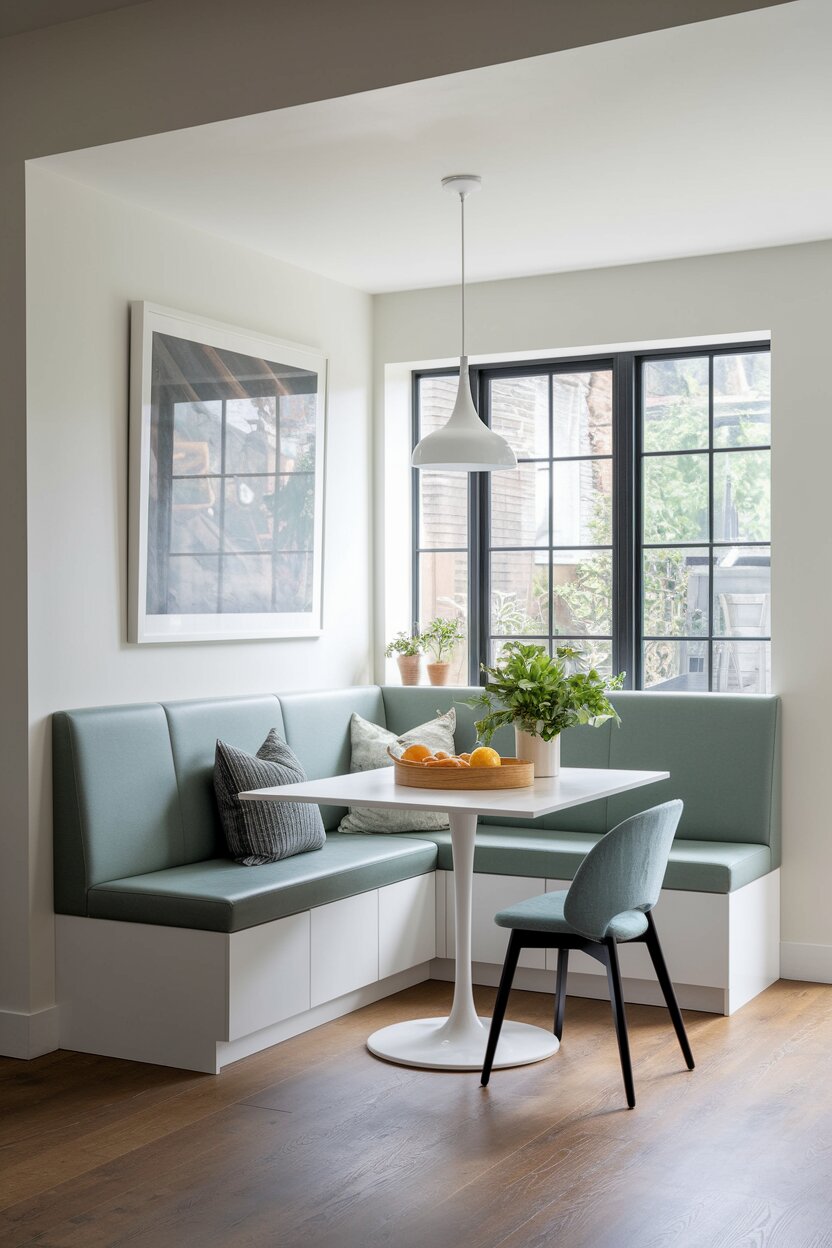
If you have a kitchen or dining nook, a corner banquette offers far more than just seating. By choosing a bench with a flip-top lid or deep pull-out drawers, you create a massive storage reservoir for seasonal items, table linens, or bulky kitchen appliances that don’t fit in standard cabinets. This dual-purpose furniture piece defines the dining area while hiding clutter in plain sight.
Choose a high-quality hinge mechanism, such as a piano hinge or a soft-close gas strut, to ensure the seat stays open safely while you are reaching inside. For maximum comfort and style, opt for custom cushions in a performance fabric that can handle the occasional spill.
- 05 of 12
Staggered Vertical Book Towers
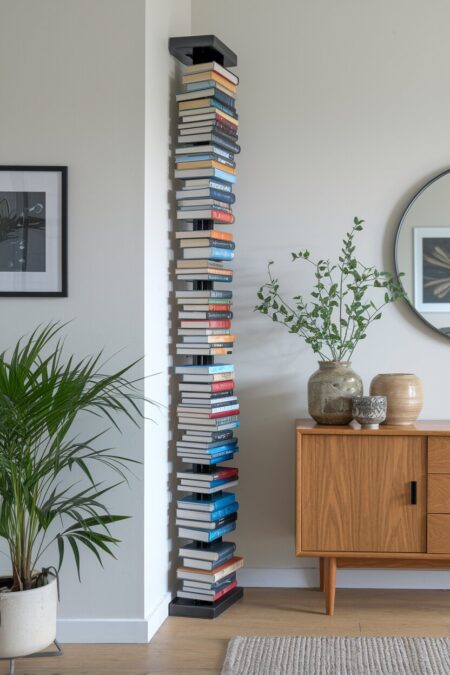
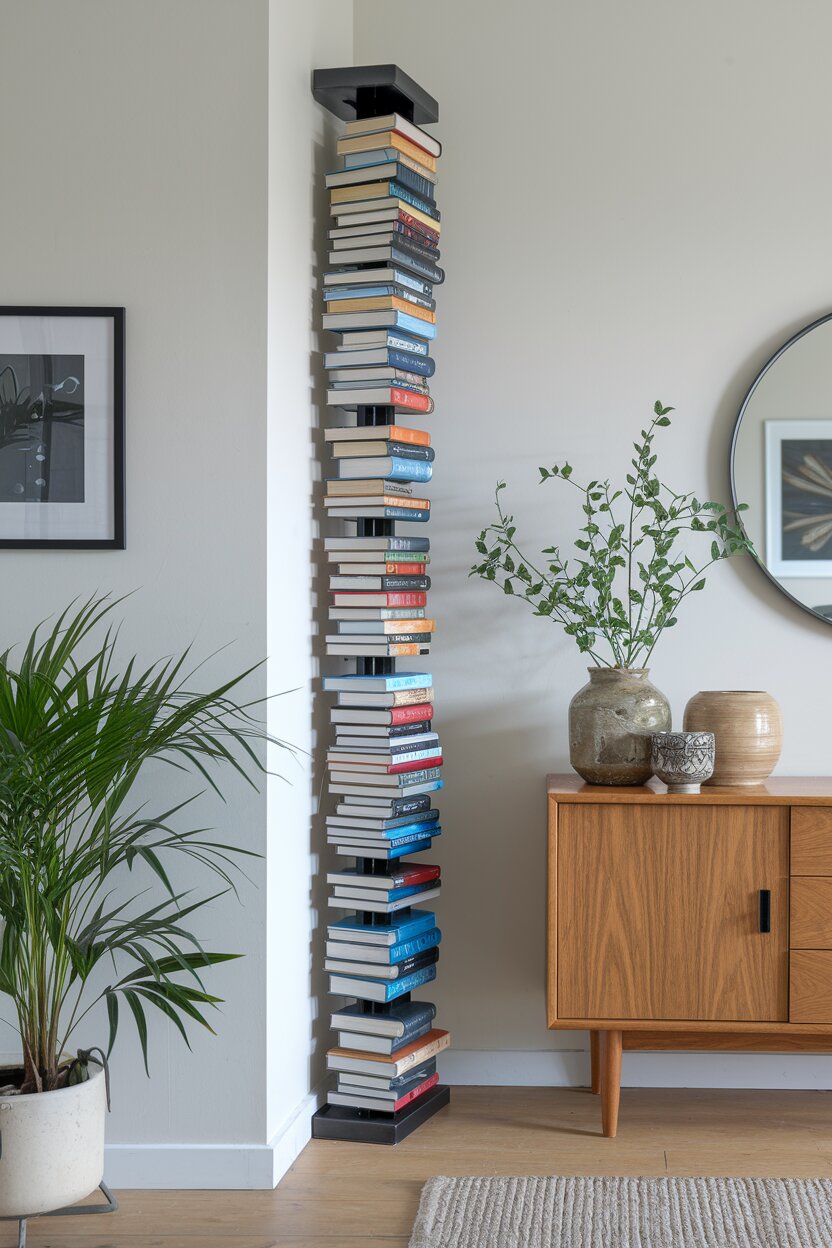
Rather than a wide bookshelf that eats up wall space, a vertical corner tower uses a “staggered” design to fit into tight angles. These units are often slim and tall, drawing the eye upward and making low ceilings feel higher. They work beautifully in bedrooms as a “to-be-read” nook or in home offices for filing systems that need to stay within arm’s reach.
To prevent the unit from looking cluttered, alternate between stacking books horizontally and vertically. This creates visual breaks and allows you to use some levels for small decorative objects or plants, which softens the transition between the furniture and the corner.
- 06 of 12
Blind Corner Pull-Out Organizers
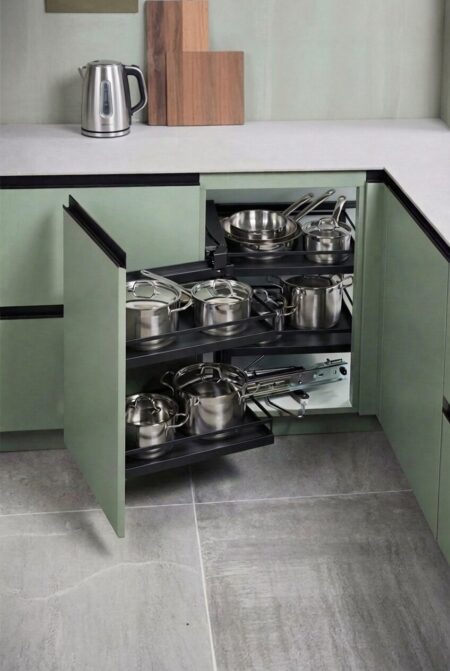
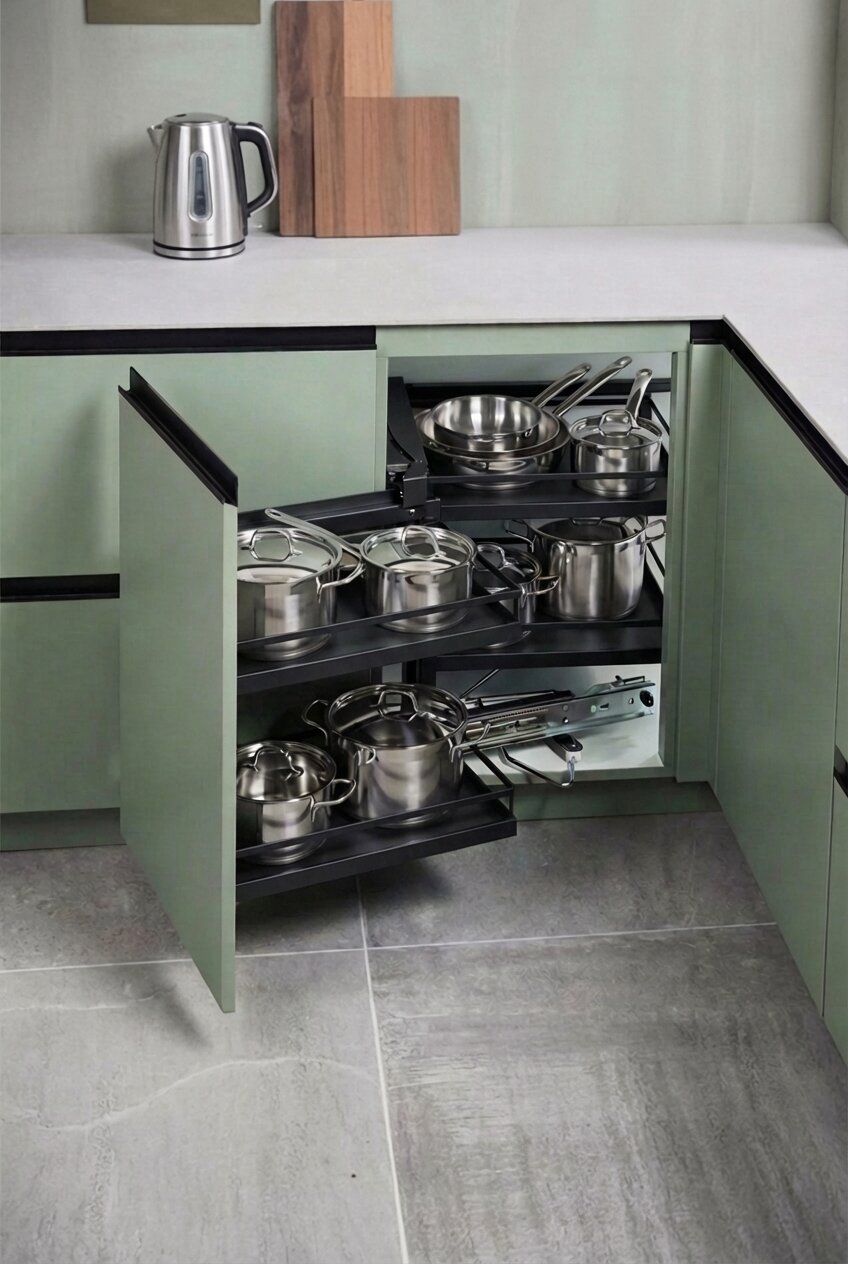
Blind corners are the deep, dark spaces where two kitchen cabinets meet. These corners are notorious for becoming “black holes” for Tupperware and pots. Professional pull-out organizers, often called “Magic Corners,” use a sophisticated track system that brings the entire contents of the cabinet out into the light. When you pull the door, the front shelves slide out and the back shelves move forward for easy reach.
These systems are best installed by professionals or highly skilled DIYers, as the alignment must be precise for the mechanism to glide smoothly. Ensure the hardware you choose is rated for the weight of your heaviest cast-iron pans to avoid straining the tracks.
- 07 of 12
Corner Radius Wardrobes
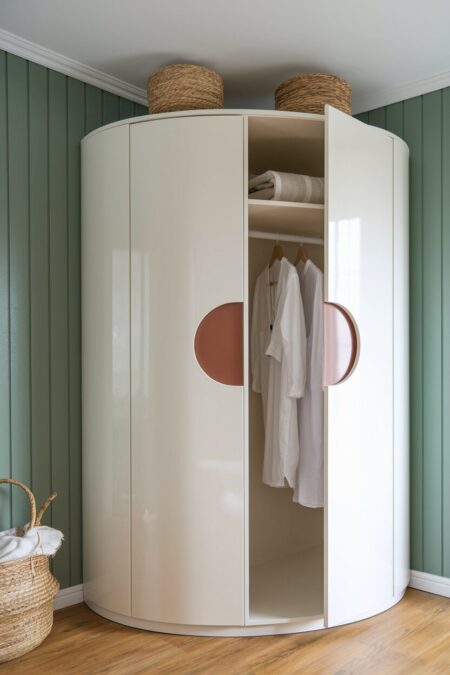
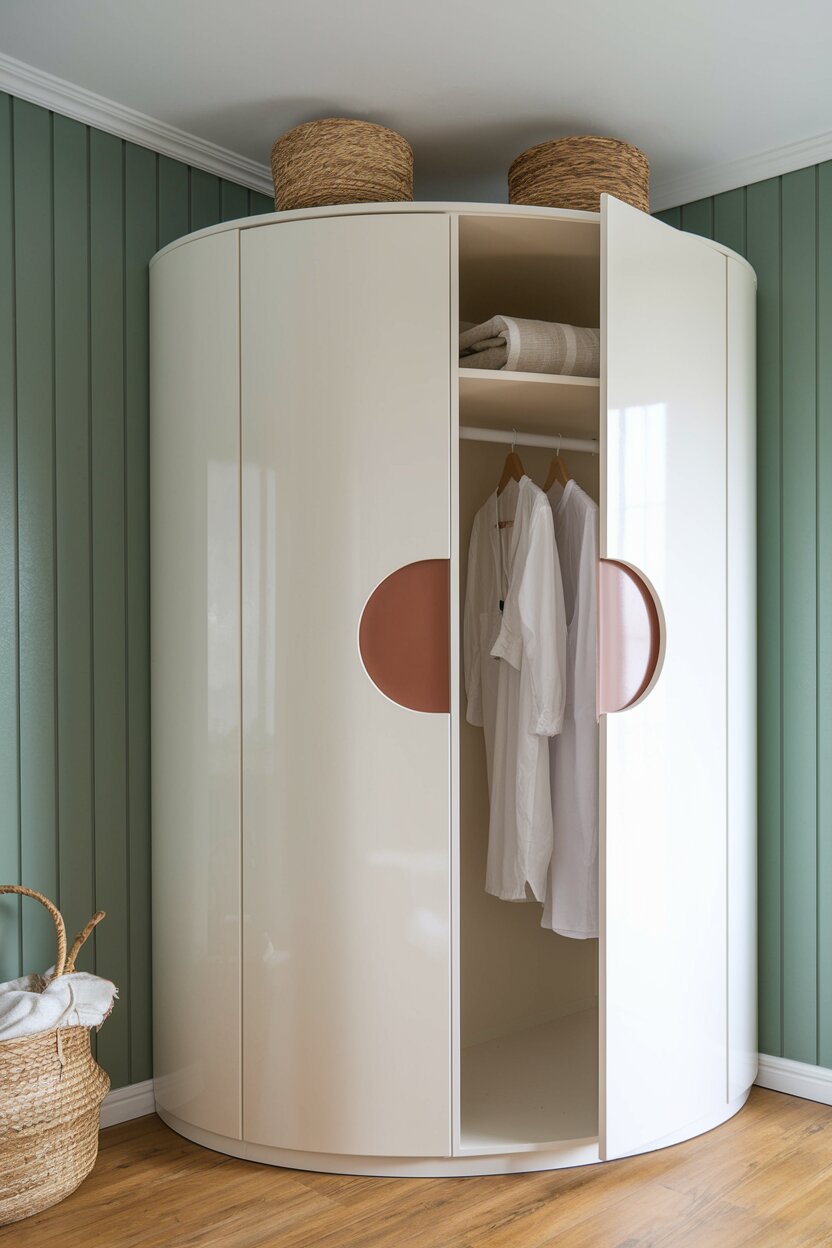
In small bedrooms, a standard rectangular wardrobe leaves awkward gaps on either side. A radius or “pie-cut” corner wardrobe fits flush against both walls, providing a deep hanging space that can accommodate more clothing than a traditional unit. This specialized shape turns an unusable corner into a high-capacity dressing station.
Maximize the interior by installing two tiers of hanging rods — one for shirts and one for trousers. If the corner is particularly deep, add an interior LED sensor light so you can actually see the items stored in the furthest reaches of the unit.
- 08 of 12
Triangular Corner Desks
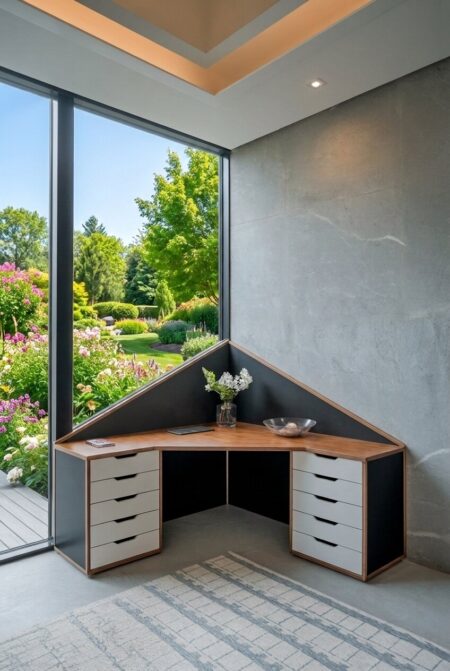
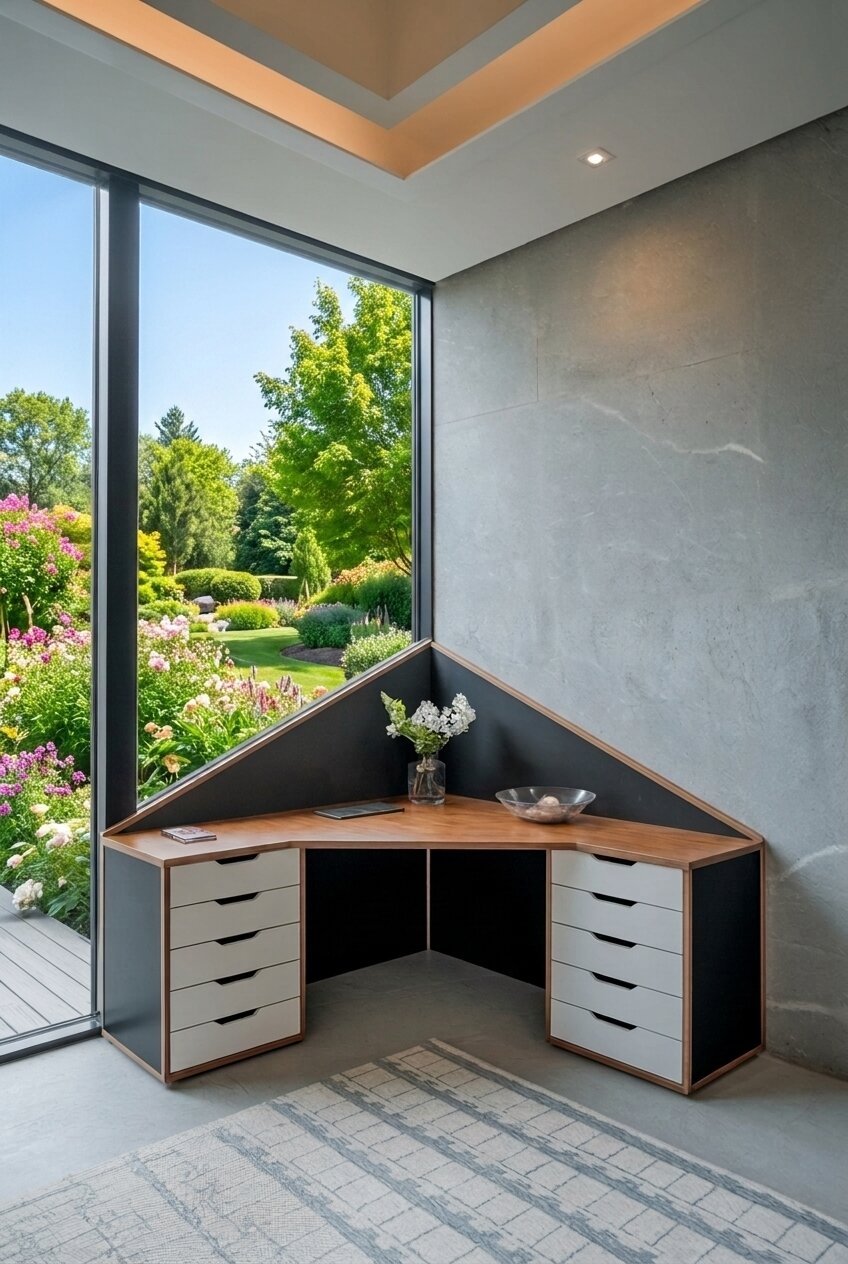
As remote work becomes the norm, many are forced to carve out office space in multipurpose rooms. A triangular corner desk fits snugly into an angle, providing a surprisingly large workspace while leaving the rest of the room’s floor plan open. This corner storage setup is naturally ergonomic, as the “V” shape of the corner provides built-in privacy and reduces peripheral distractions.
Choose a desk with drawers for storage (if needed) and a built-in cable management hole at the very back of the triangle. This allows you to run power strips and monitor cables directly down the corner seam of the walls, keeping your workspace clean and wire-free.
- 09 of 12
Over-the-Toilet Corner Shelving
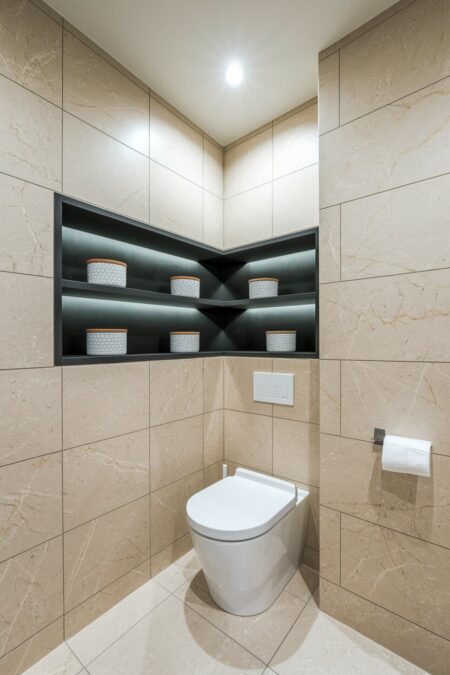
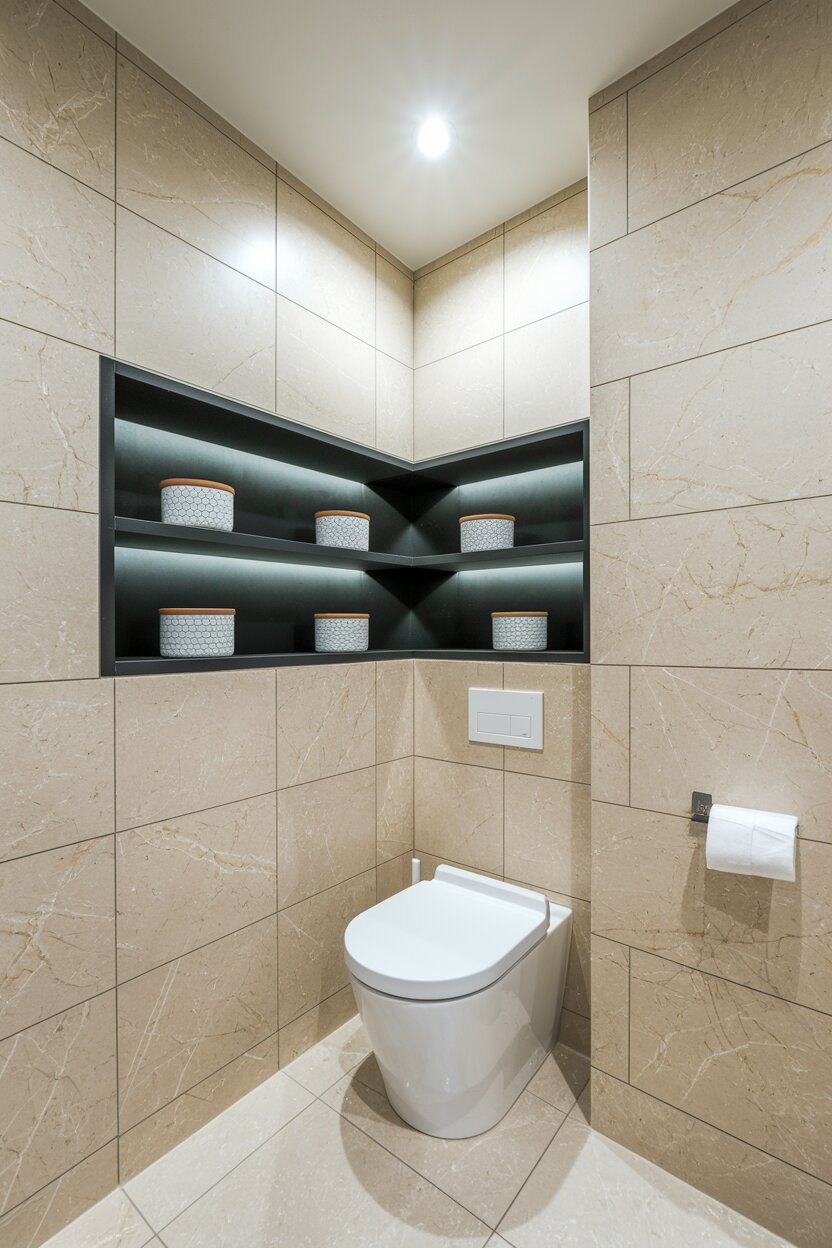
Bathrooms are frequently the smallest rooms in the house, making the area above the toilet prime real estate. While standard over-the-toilet units exist, a corner-specific shelving unit takes advantage of the intersection of two walls, providing more stability and a unique architectural look. It’s the perfect spot for extra towels, glass jars of cotton balls, or scented candles.
To maintain a “spa-like” feel, use matching baskets or containers on these shelves to hide unsightly items like extra toilet paper rolls. Ensure the bottom shelf is high enough so it doesn’t interfere with the toilet lid or the flushing mechanism.
- 10 of 12
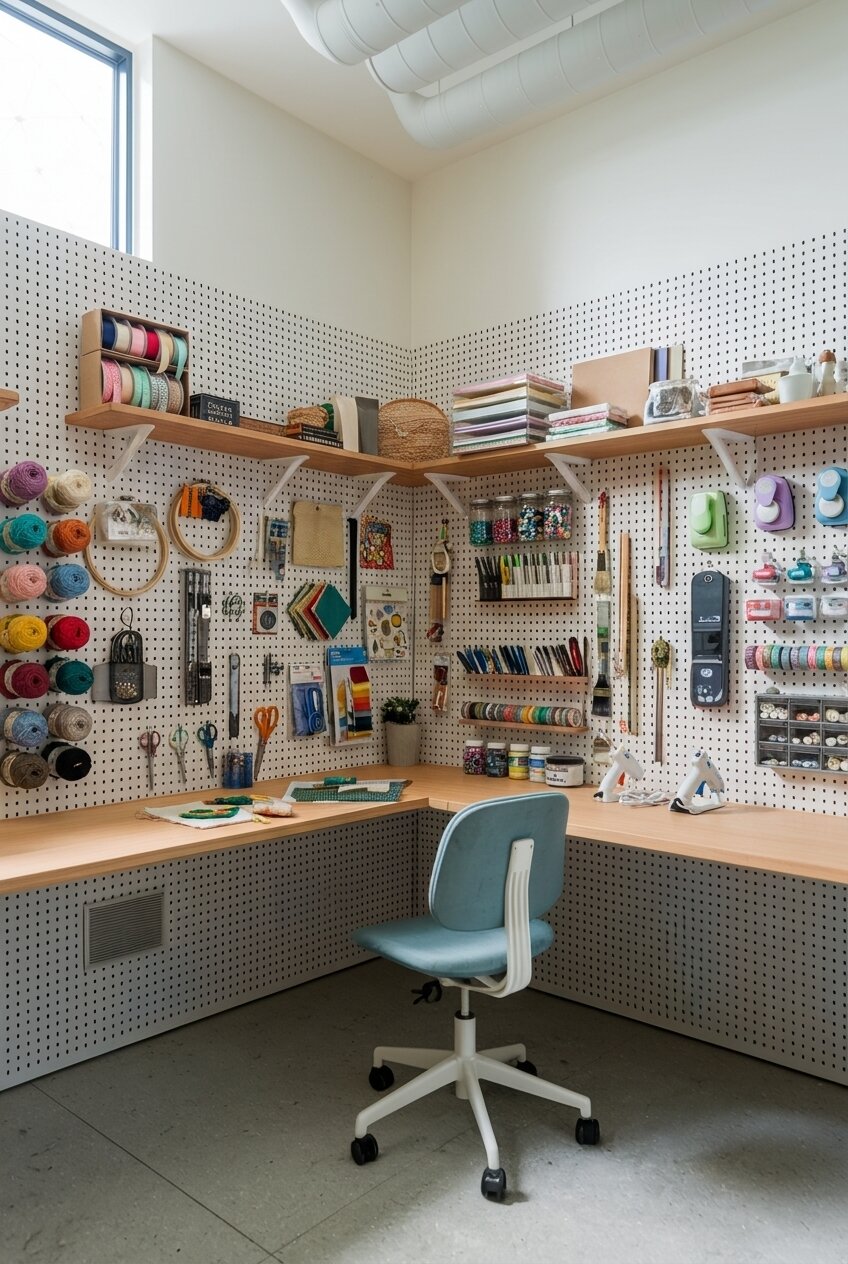
Corner Pegboard Systems
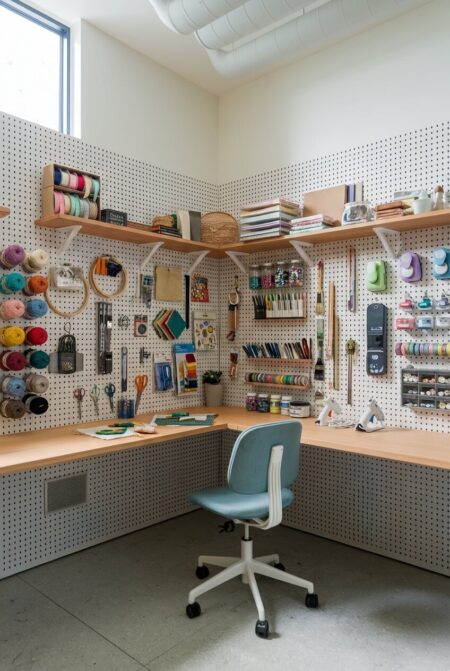
For garages, craft rooms, or hobby spaces, a corner pegboard system offers ultimate flexibility. By mounting pegboards on both walls meeting at the corner, you create a wraparound tool station. You can hang everything from hammers and drills to rolls of ribbon and scissors, keeping your work surface completely clear.
Start by mounting 1×2 wooden furring strips to the wall before attaching the pegboard; this creates the necessary gap for the pegs to hook in. Use specialized corner connectors or simply butt the boards together for a continuous look that allows you to hang larger items across the seam.
- 11 of 12
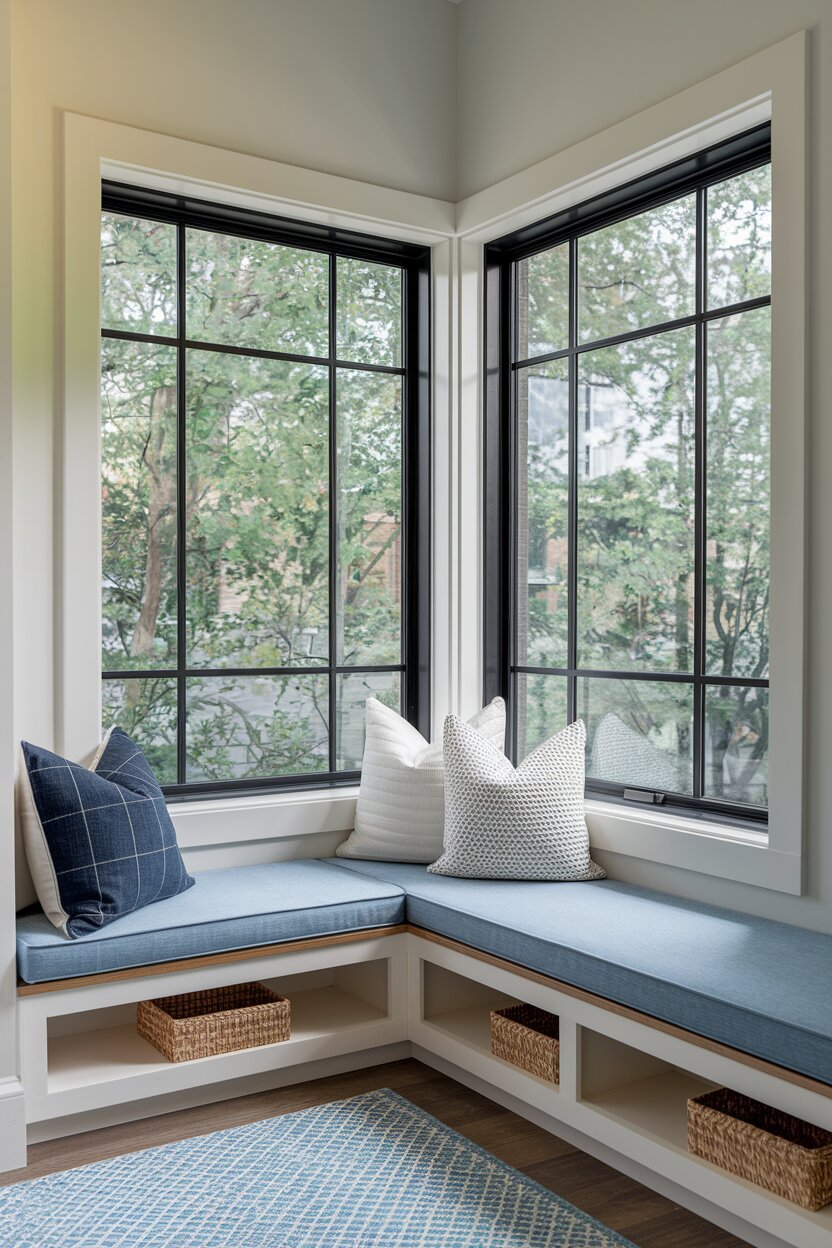
Custom Corner Window Seats
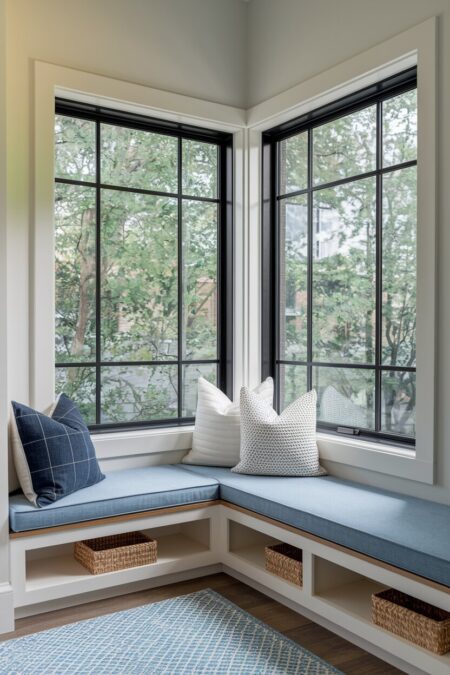
If you are lucky enough to have windows meeting in a corner, a custom window seat is the gold standard of cozy storage. This creates a peaceful reading nook that doubles as a large chest. In a kid’s room, it is the perfect “toy box” that teaches them to clear the floor at the end of the day while providing a spot for bedtime stories.
If you are building this from scratch, consider adding a front-facing cubby section instead of a top-down lid. This allows you to use the storage without having to move the person sitting on the seat, making it much more practical for daily-use items.
- 12 of 12
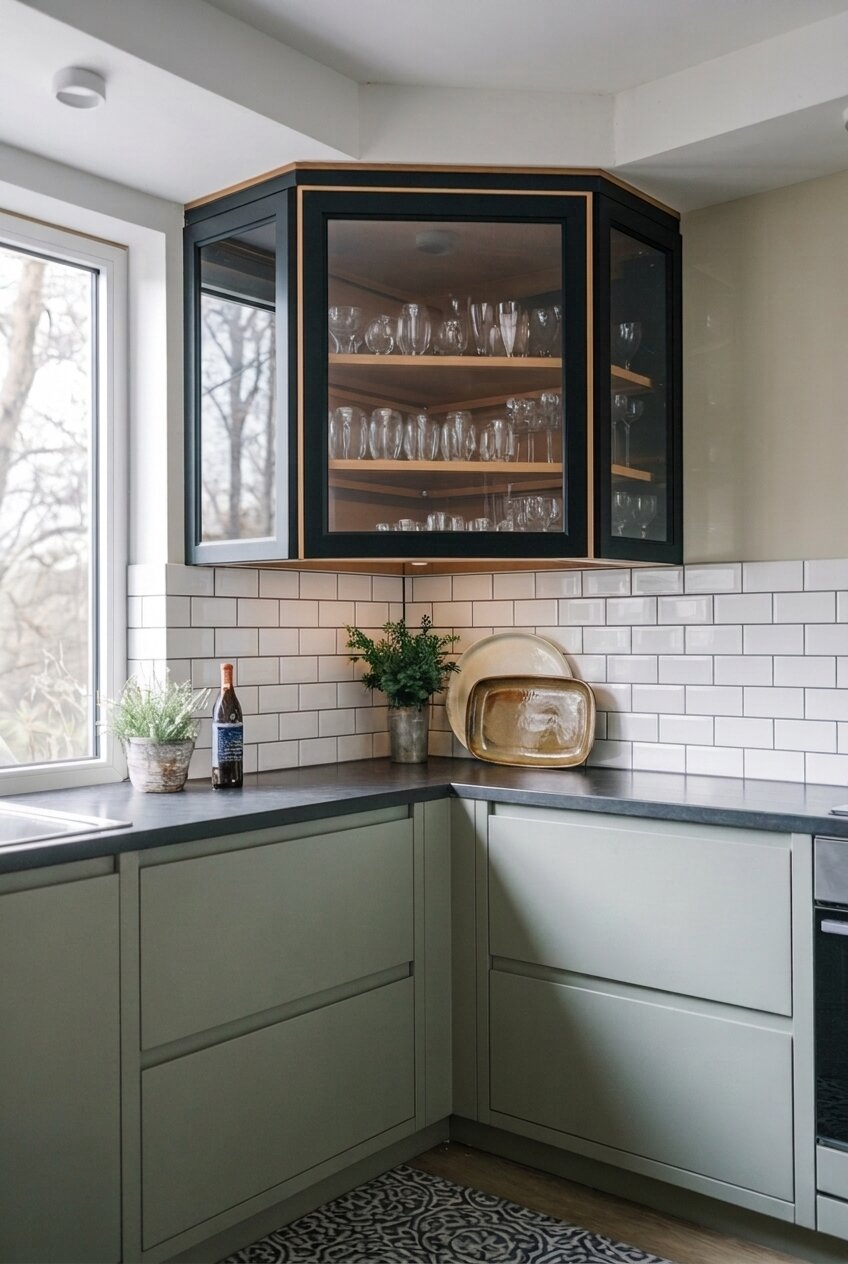
Diagonal Corner Cabinets with Glass Fronts
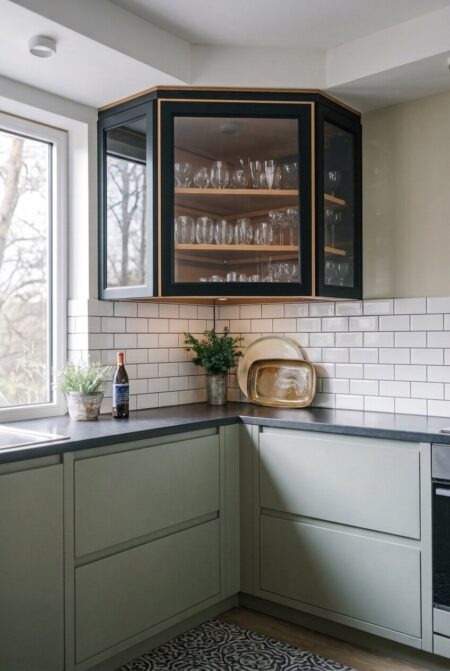
In dining rooms or kitchens, a diagonal corner cabinet breaks the 90-degree monotony of a room. Choosing glass-front doors for the upper portion of these cabinets allows you to display fine china or glassware, which reflects light and makes the corner feel less heavy. The diagonal orientation actually provides a wider door opening than a standard corner cabinet, making it easier to move large platters in and out.
Install puck lights or LED strips inside the cabinet to highlight your display. For the lower, closed portion of the cabinet, use it for heavy or less attractive items like slow cookers or mixing bowls, keeping the “pretty” items at eye level.
Conclusion
Maximizing the functionality of your home requires a blend of creativity and strategic planning. By looking at these overlooked areas as opportunities rather than obstacles, you can create a more organized and spacious environment. Implementing these diverse corner storage ideas not only solves immediate clutter issues but also adds lasting value and architectural charm to your living space.