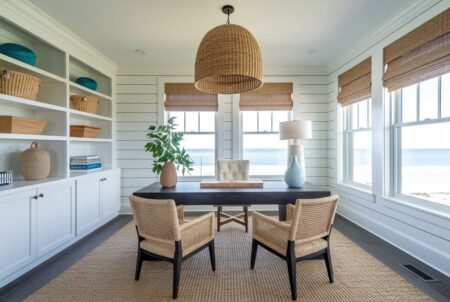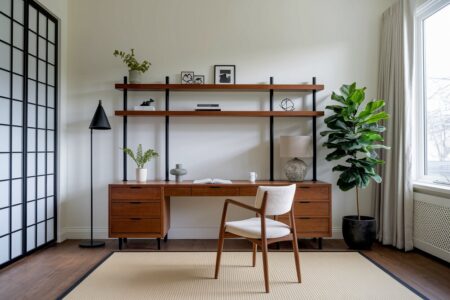
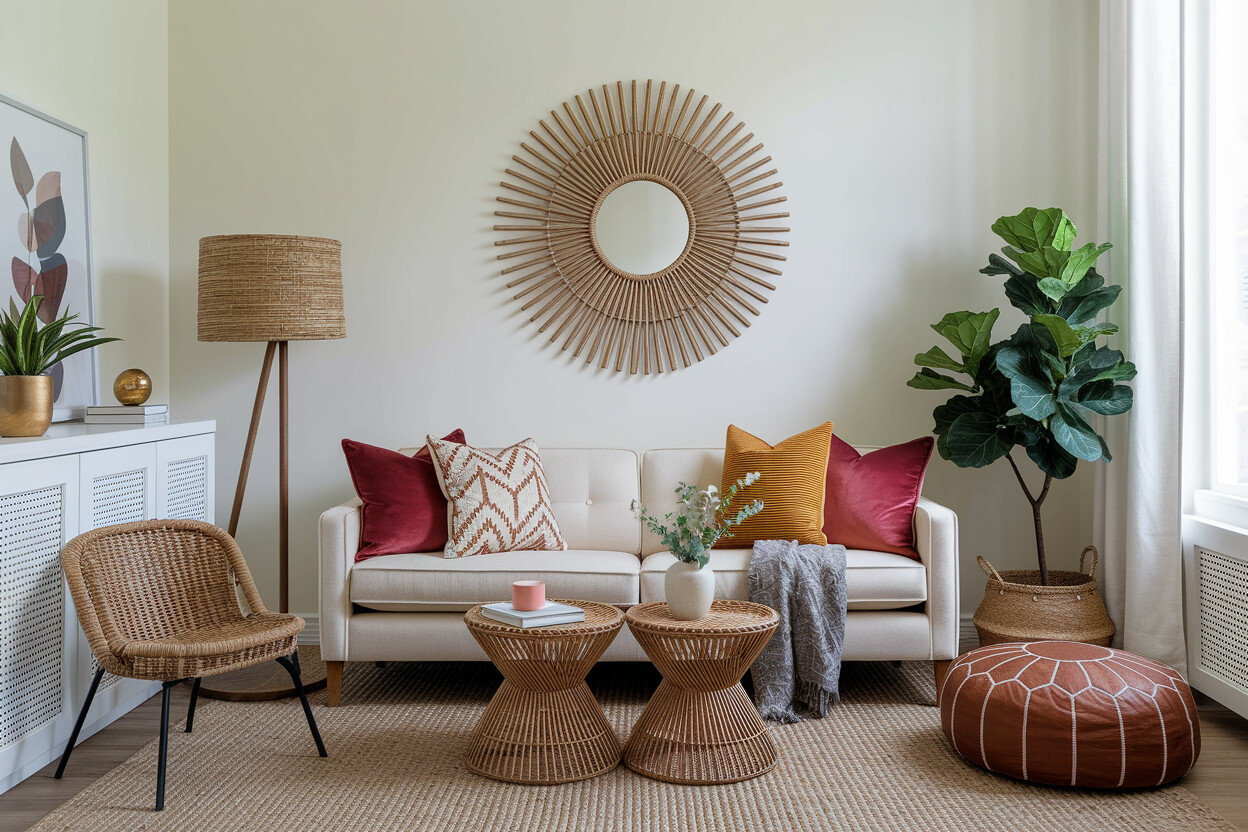
Bohemian interior design is a celebration of individuality. It ignores the rigid rules of traditional decorating. Instead, it focuses on comfort, history, and personal expression. This style is often called “boho.” It is perfect for those who want their homes full of life and culture.
Whether you are a world traveler or an art lover, bohemian style offers a way to showcase your soul. It creates a space that feels lived-in and loved. It is not about matching furniture. It is about harmony through variety.
DEFINITION
Bohemian interior design is an unconventional, eclectic aesthetic that prioritizes organic textures, global influences, and vintage elements. It is characterized by a "more-is-more" philosophy, blending diverse colors and patterns to create a relaxed, soulful atmosphere.
The Evolution: From Traditional Boho to Modern Boho
Bohemian style has changed over the decades. Originally, it was associated with 19th-century artists in Paris who lived unconventional lives. It was messy and radical.
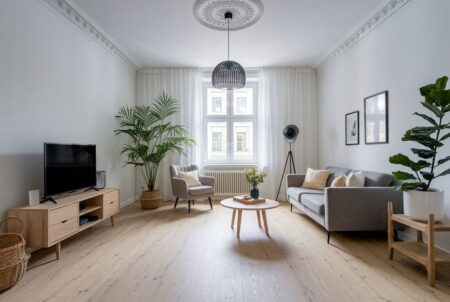
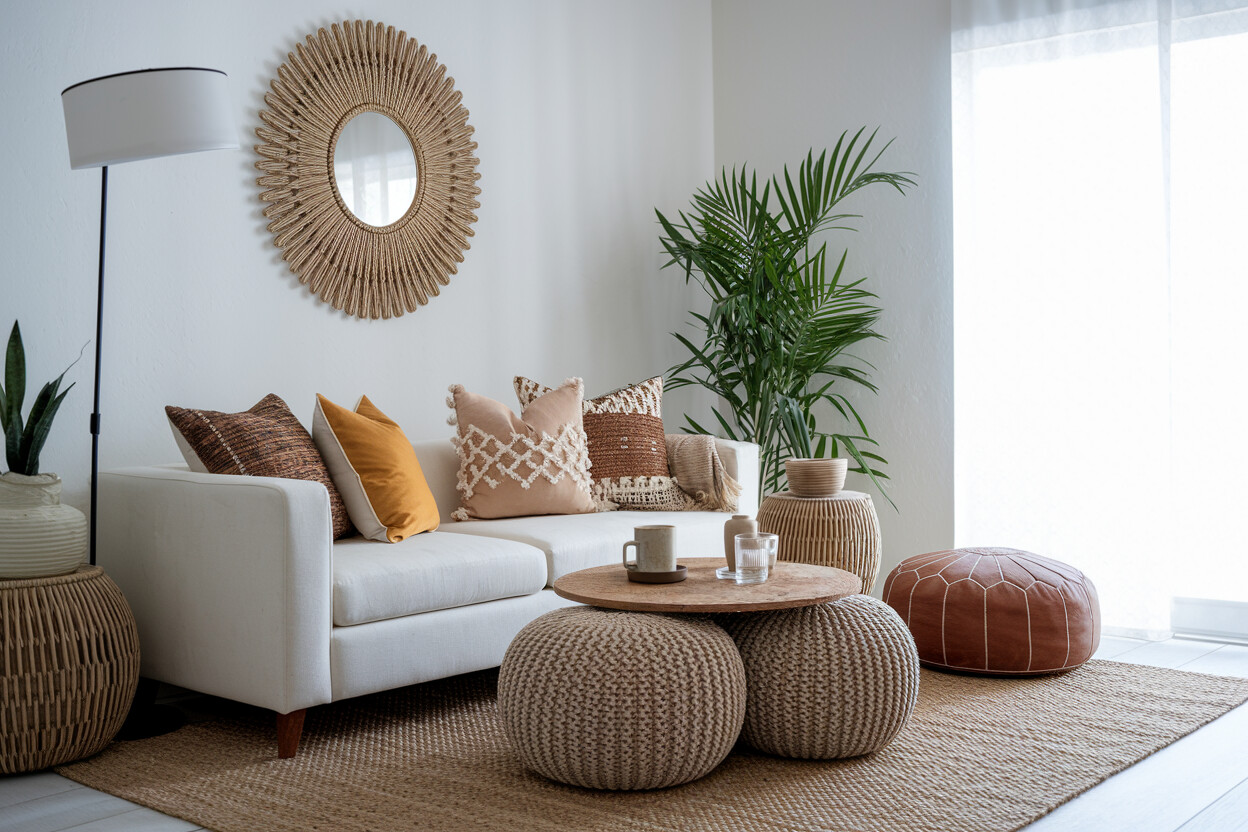
Today, we see the rise of “Modern Boho.” This version is cleaner. It uses more white space and lighter wood tones. However, it still keeps the essential bohemian spirit through texture and greenery. It is a more refined take on the classic free-spirited look.
Key Characteristics of Bohemian Interior Design
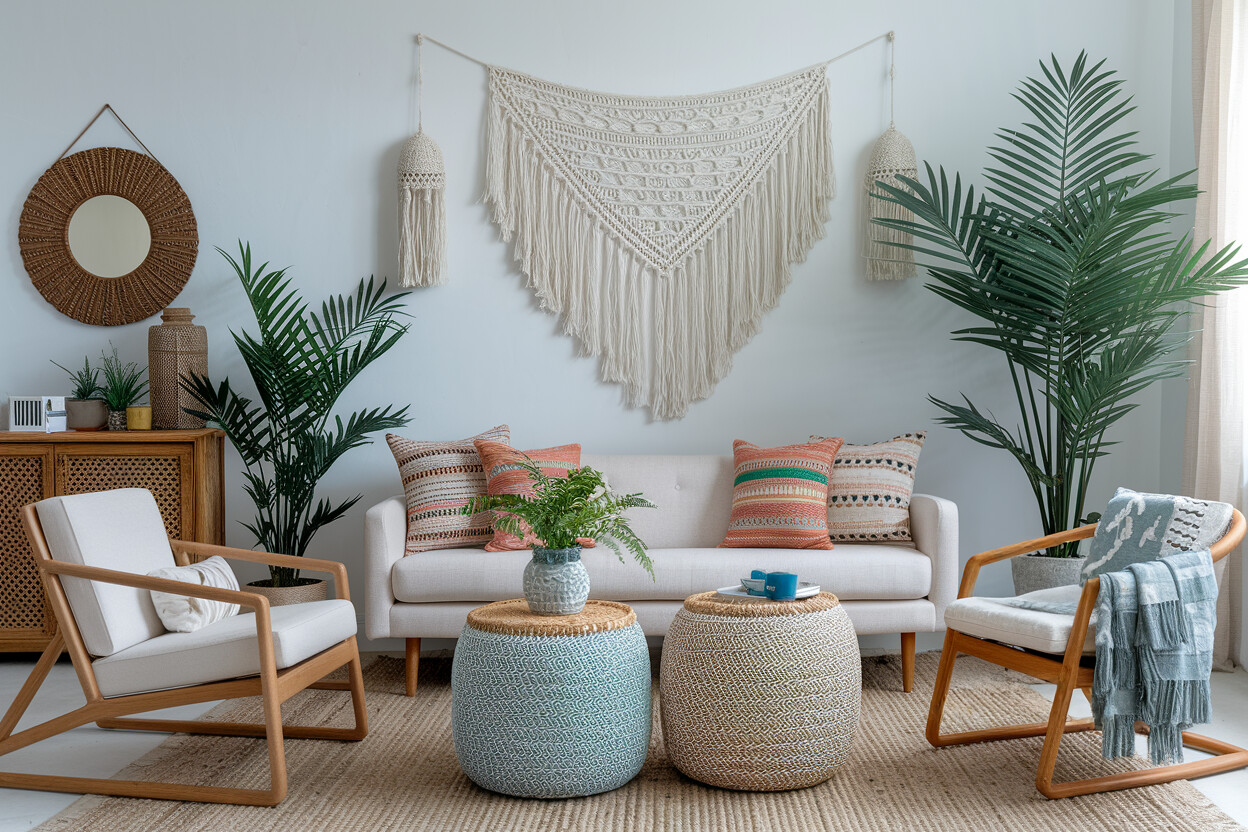
Bohemian style is easy to recognize but hard to define strictly. This is because it evolves with the person living in the space. However, certain traits define the boho interior design look.
1. Natural Materials and Textures
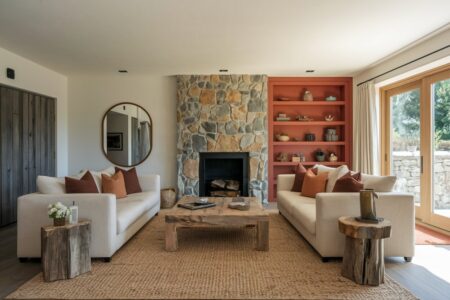
Boho spaces lean heavily on the organic. Think of rattan, wicker, and wood. Textiles are also essential. You will often see macramé wall hangings, sisal rugs, and plush velvet cushions. These layers add depth and warmth.
2. A Global Palette
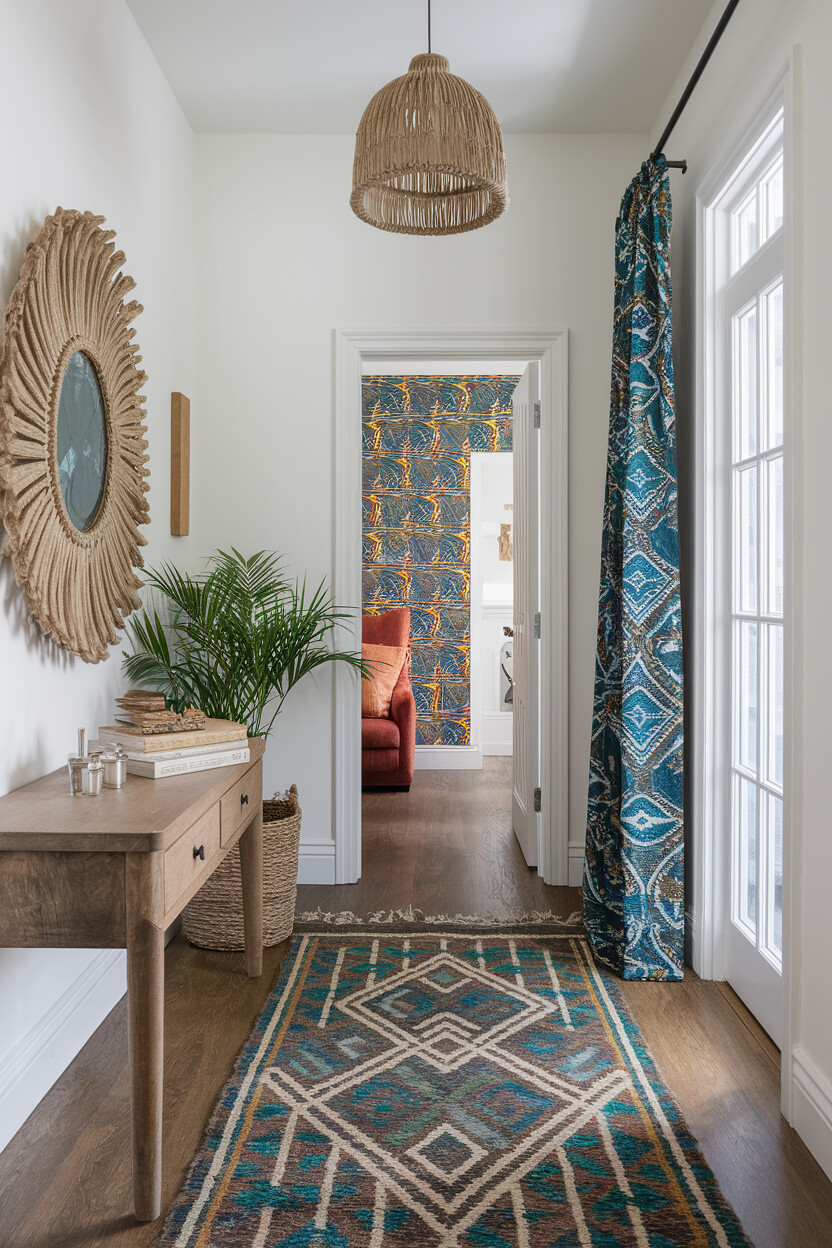
Color is a hallmark of bohemian design. While some modern versions use neutrals, the classic bohemian style uses rich “jewel” tones. Deep purples, fiery oranges, and emerald greens are common. These colors often come from globally-inspired textiles like Persian rugs or Moroccan lanterns.
3. Plants and Greenery
No bohemian room is complete without nature. Plants bring life to the eclectic mix. They purify the air and add a vibrant green contrast to earthy tones. Hanging planters, large fiddle leaf figs, and succulents are staples of the bohemian design language.
Professional Tips for Mastering Boho Interior Design
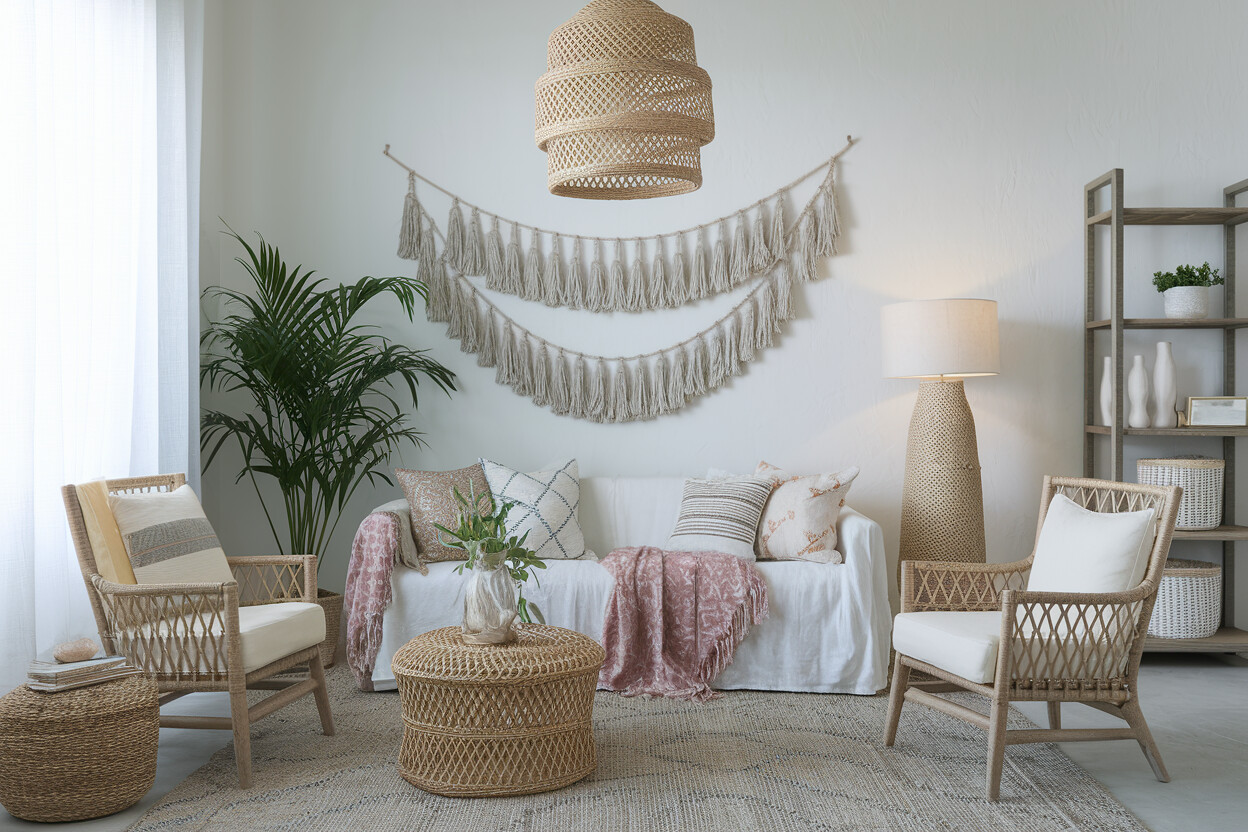
Creating a boho style home requires a careful balance. You want it to look curated, not cluttered.
- Layer Your Lighting. Avoid harsh overhead lights. Use floor lamps, table lamps, and candles instead. This creates the soft, ambient glow that boho spaces are famous for.
- Mix Old and New. Combine a sleek modern sofa with a vintage wooden coffee table. This juxtaposition is what makes bohemian interior design feel authentic.
- Use Low Seating. Bohemian culture is about relaxation. Floor pillows, leather poufs, and low-profile daybeds encourage a “sit and stay a while” vibe.
- Tell a Story. Every object should have a meaning. Display souvenirs from your travels or family heirlooms. This personal touch is the heart of the bohemian style.
Practical Examples of Bohemian Spaces
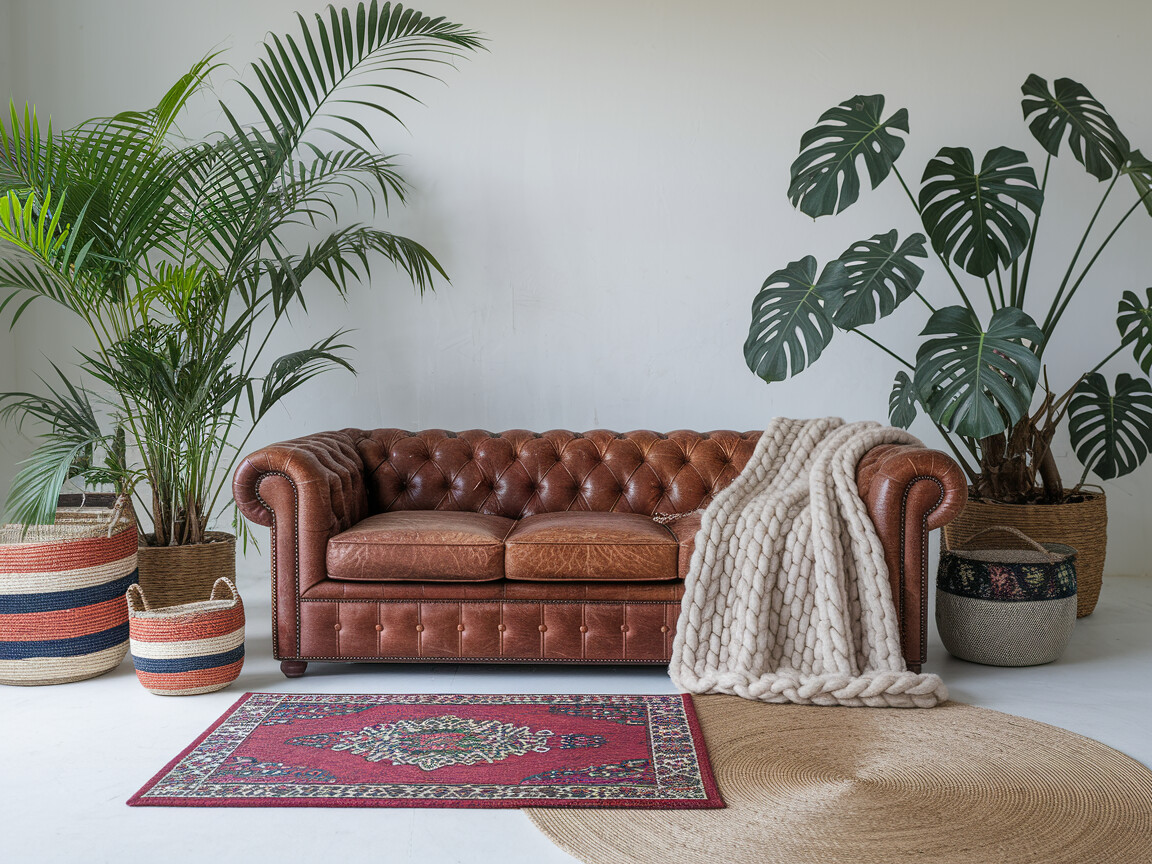
Boho Living Room: Imagine a room with a large, distressed leather sofa. Over it hangs a thick wool throw. The floor is covered in layered rugs — a jute base with a colorful area rug on top. The corners are filled with tall palms and monstera plants.
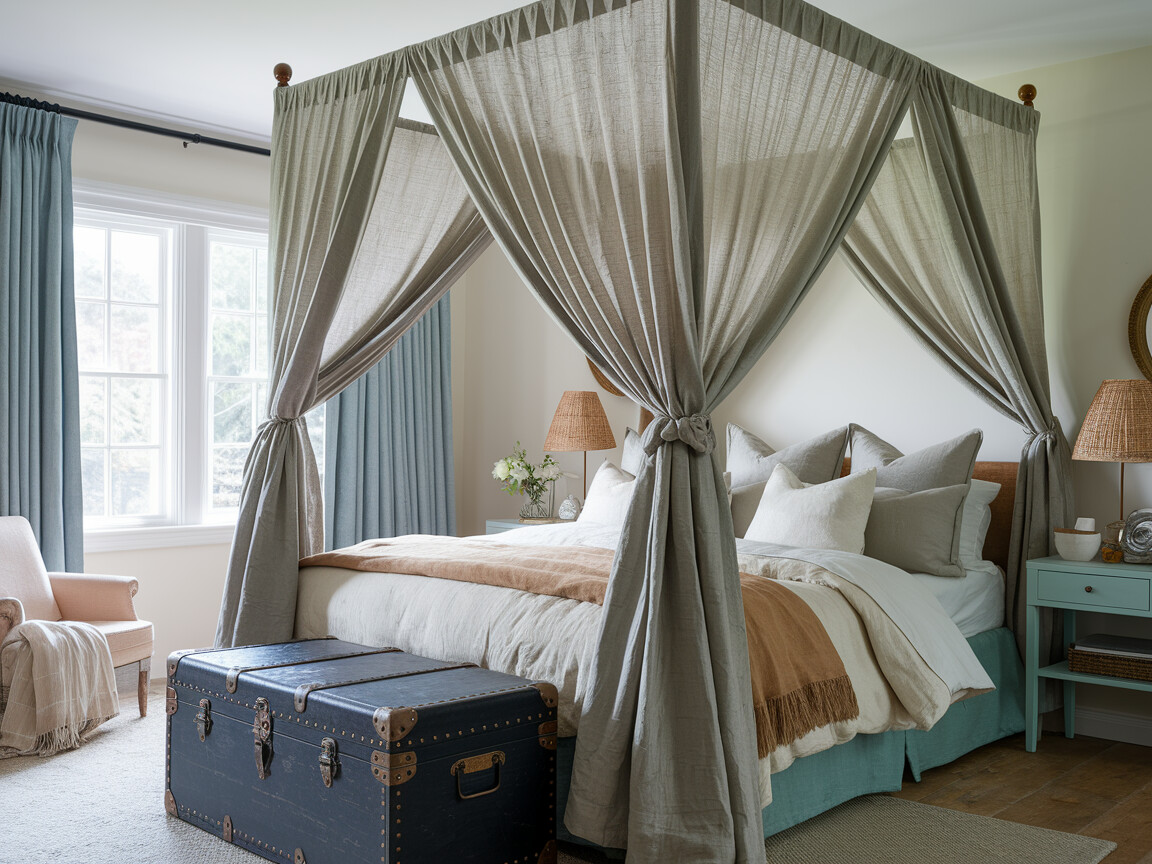
Bohemian Bedroom: A canopy bed with sheer linen curtains creates a dreamlike state. The bedding is a mix of linen and silk. A vintage trunk sits at the foot of the bed, serving as storage and a statement piece.
Why Bohemian Style Remains Popular
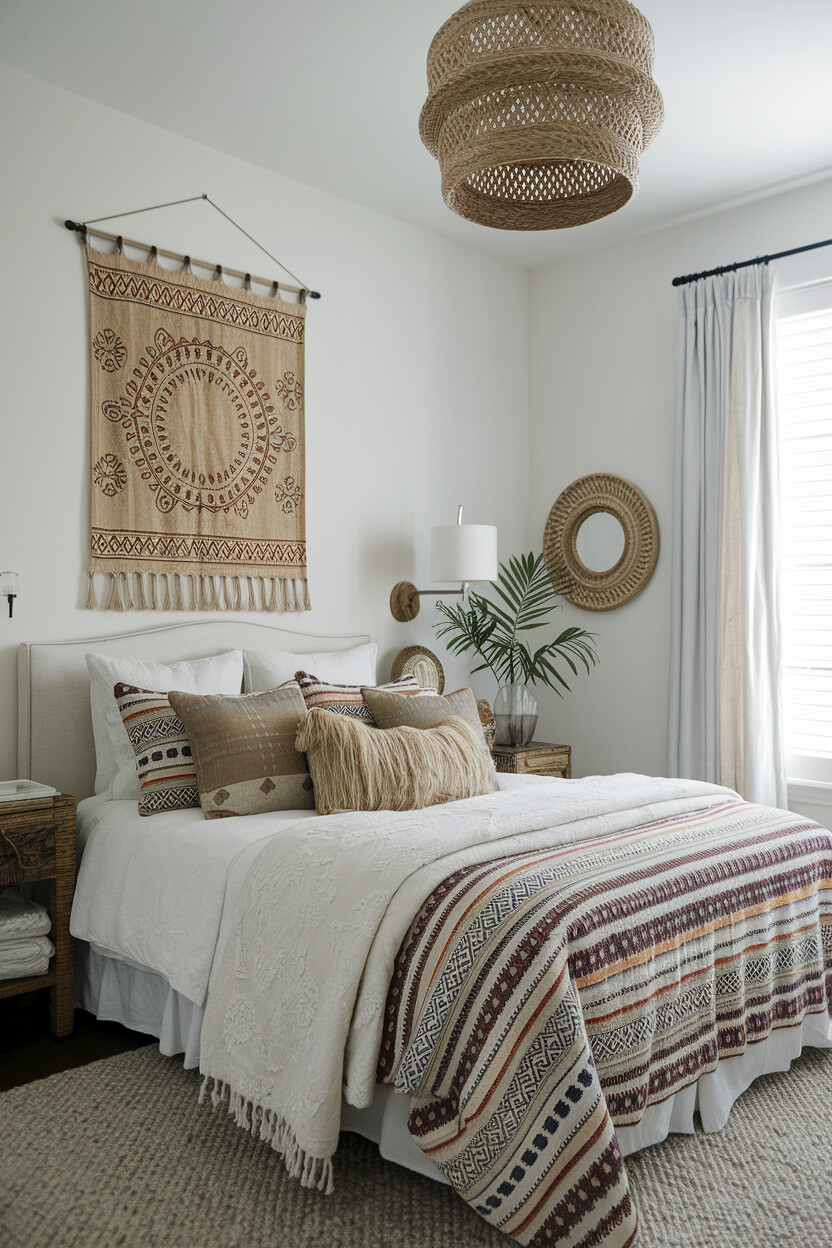
The bohemian aesthetic stays relevant because it is forgiving. You don’t need a massive budget to achieve it. You can find pieces at thrift stores or flea markets. It encourages sustainability by reusing vintage items. Most importantly, it allows your home to grow with you.
Frequently Asked Questions (FAQ) About Bohemian Interior Design
Is bohemian design the same as maximalism?
They are similar but not identical. Both love layers and collections. However, bohemian design focuses specifically on organic, global, and “earthy” elements, whereas maximalism can be very high-tech or modern.
Can I have a boho style if I like minimalist colors?
Yes. This is often called “Scandi-Boho.” Use a white or cream base but add plenty of textures like pampas grass, woven baskets, and textured pillows to keep the boho feel.
What is the best way to start decorating in boho style?
Start with your textiles. Buy a colorful rug or some patterned pillows. These are easy to change and immediately transform the mood of a room.
Is boho design expensive?
Not necessarily. Because the bohemian style embraces vintage and “found” objects, it can be very budget-friendly. It is more about your eye for detail than the price tag of your furniture.
Bohemian interior design is more than a trend. It is a philosophy of living. It invites you to be yourself and surround yourself with the things you love. By following these principles, you can create a sanctuary that is as unique as your own life story.