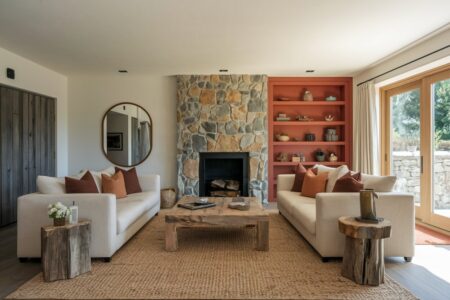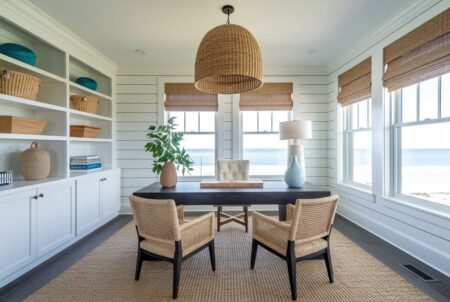
Scandinavian interior design is more than just a trend. It is a philosophy of living. Born in the early 20th century in the Nordic countries, this aesthetic balances beauty with utility. It focuses on clean lines and bright spaces.
DEFINITION
Scandinavian interior design is a minimalist movement characterized by a blend of textures, soft hues, and sleek modern furniture that prioritizes functionalism and simplicity without sacrificing comfort.
The Core Philosophy of Scandinavian Design
Why is Scandinavian style so popular? It stems from a need for light. In the Nordic regions, winters are long and dark. Interiors were designed to capture every ounce of daylight. This led to the use of pale colors and open layouts.
The “Scandi style” is not just about how a room looks. It is about how it feels. It promotes a sense of “Hygge” — a Danish word for coziness and contentment.
Key Characteristics of the Scandinavian Interior Design Style
To master this look, you must understand its DNA. It is distinct from other forms of modernism.
1. Light and Muted Color Palettes
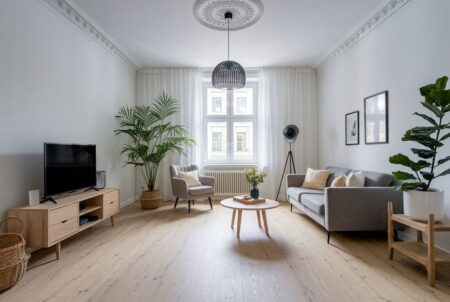
Whites, light grays, and soft beiges dominate the space. These colors reflect light effectively. However, it is not purely monochromatic. Subtle pops of blush or sage green are often added to provide warmth.
2. Natural Materials
Wood is the hero here. Light-toned woods like ash, beech, and pine are preferred. You will see these on floors, walls, and furniture. Stone and leather also play supporting roles to bring nature indoors.
3. Decluttered Spaces
Minimalism is a hallmark of Scandinavian design. Every item has a purpose. If it doesn’t serve a function or bring joy, it is removed. This creates a breathing space that lowers stress.
4. Statement Lighting
Since natural light is scarce, artificial lighting is vital. Designers use sculptural lamps and pendants. These aren’t just light sources; they are pieces of art.
Practical Tips for Implementation of Scandinavian Interior Design In Your Home
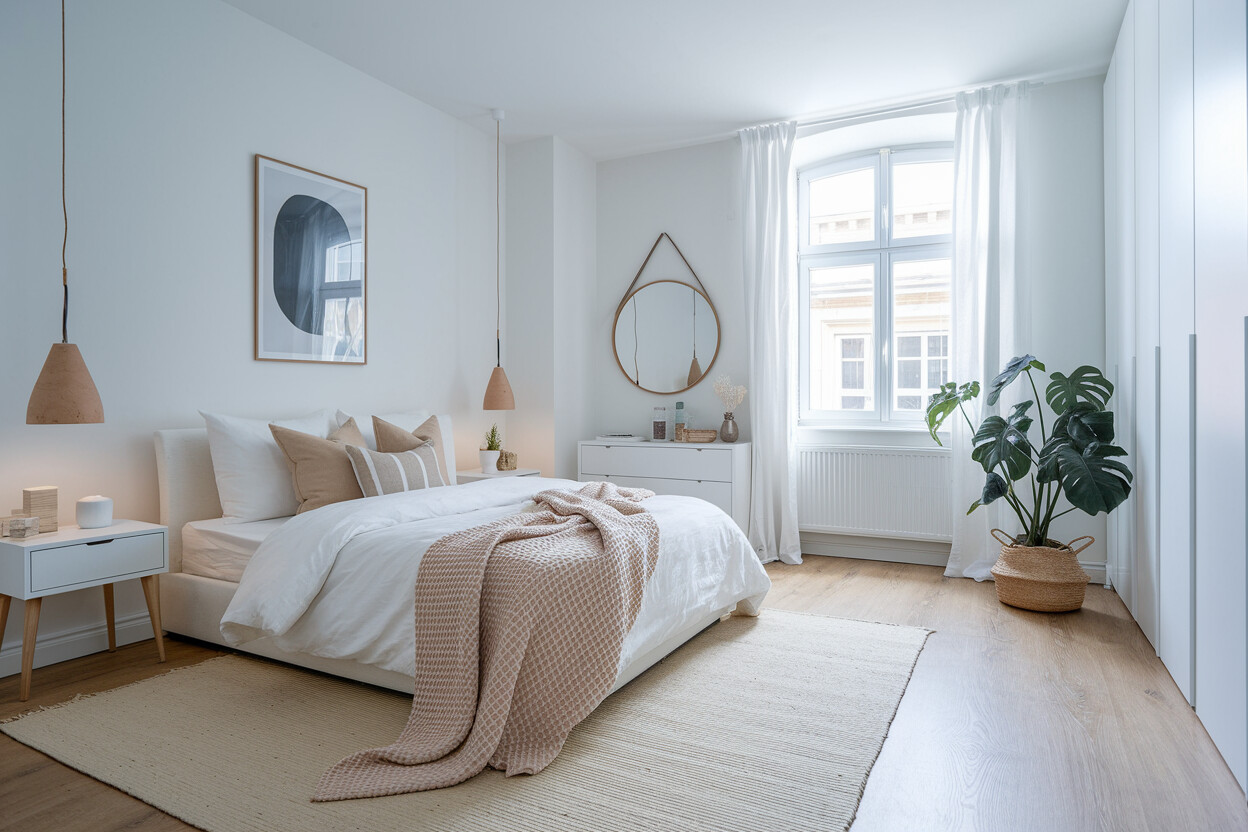
Transitioning to a Scandinavian style doesn’t require a total renovation. Small changes make a big impact.
- Maximize Natural Light: Remove heavy drapes. Use sheer curtains or leave windows bare.
- Layer Your Textures: Mix a wool throw with a linen sofa. This prevents a minimalist room from feeling “cold.”
- Choose Functional Furniture: Look for pieces with “clean lines.” Avoid heavy ornamentation.
- Incorporate Greenery: Houseplants are essential. They add life and improve air quality.
- Focus on Quality: Buy fewer, better things. Scandinavian design values craftsmanship over mass production.
Real-World Examples of Scandi Style
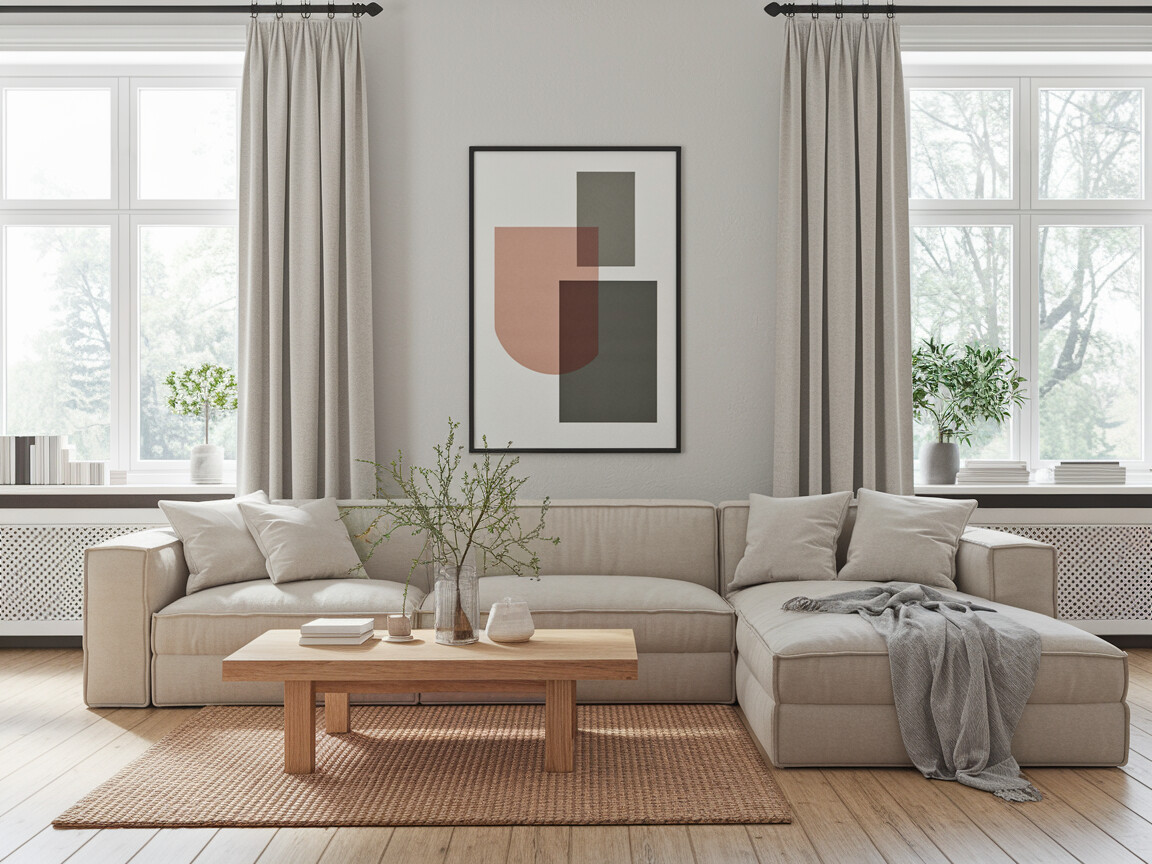
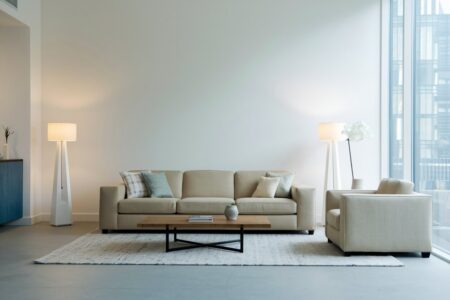
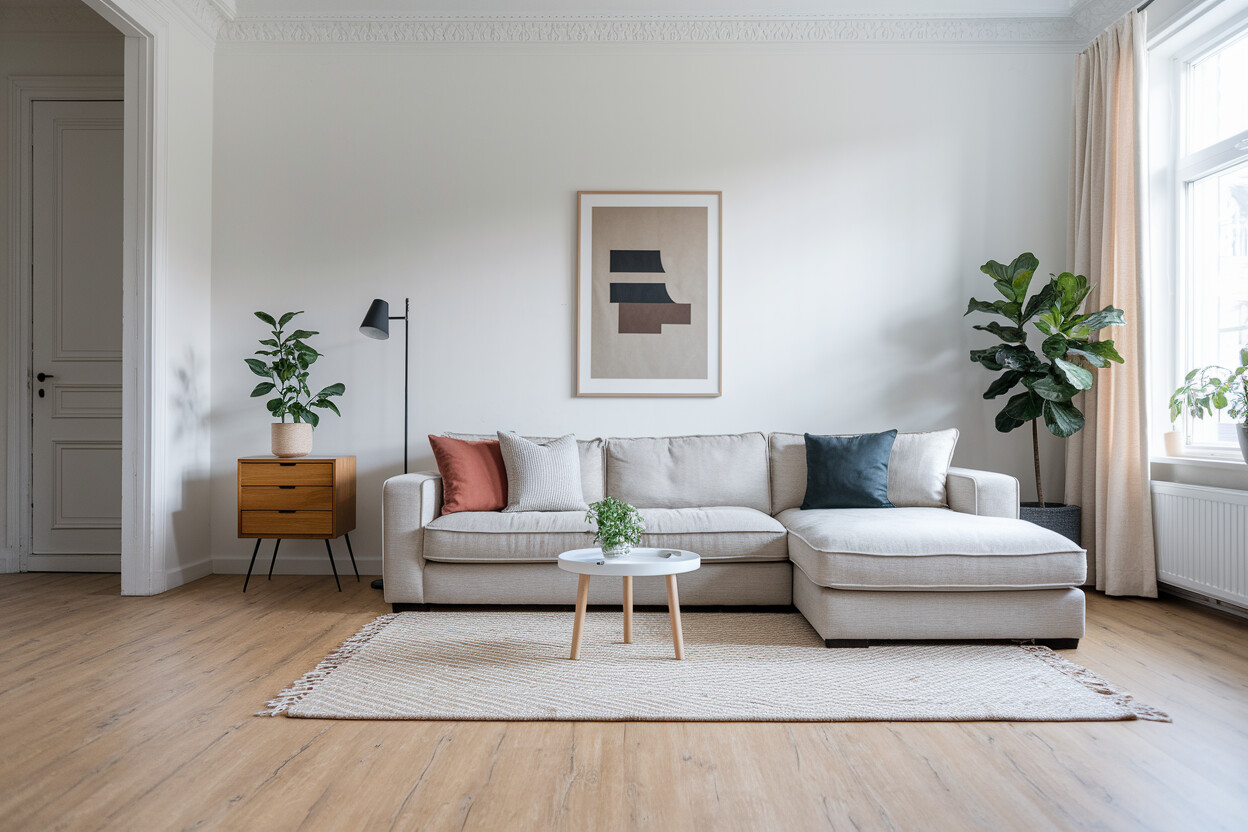
How does this look in practice? Imagine a living room with a neutral-toned sectional sofa. Above it hangs a simple, black-framed abstract print. A low-profile oak coffee table sits on a jute rug. Large windows let in the morning sun.
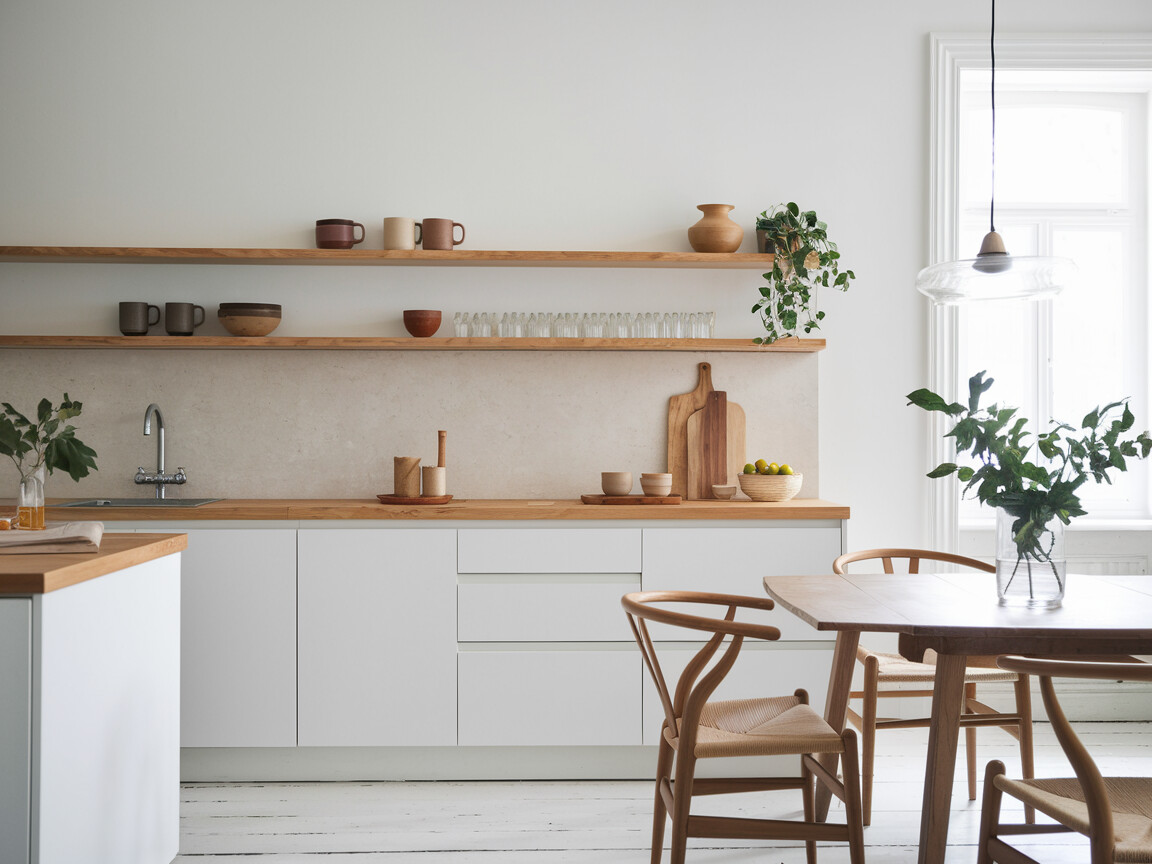
In the Scandinavian kitchen, you might see white cabinetry with wooden countertops. Open shelving displays ceramic mugs in earthy tones. The dining area features iconic wishbone chairs around a simple trestle table.
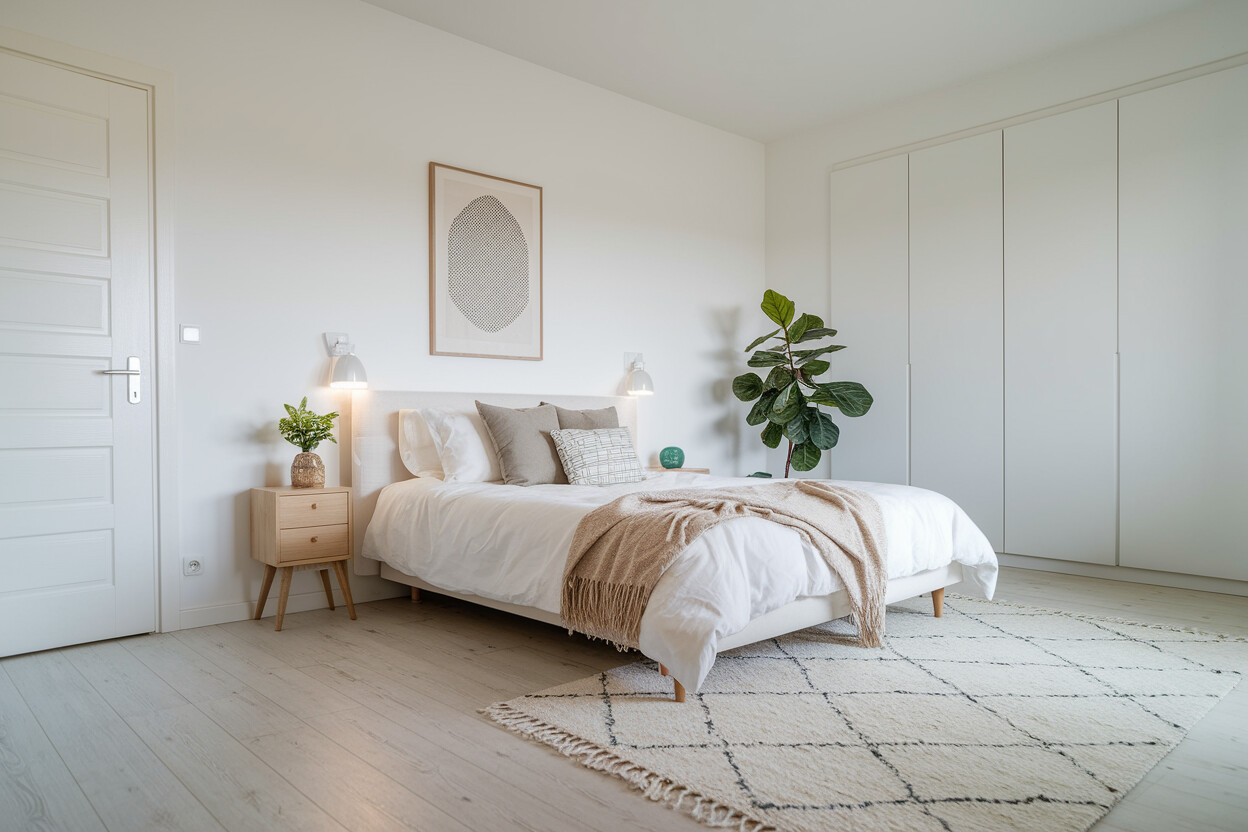
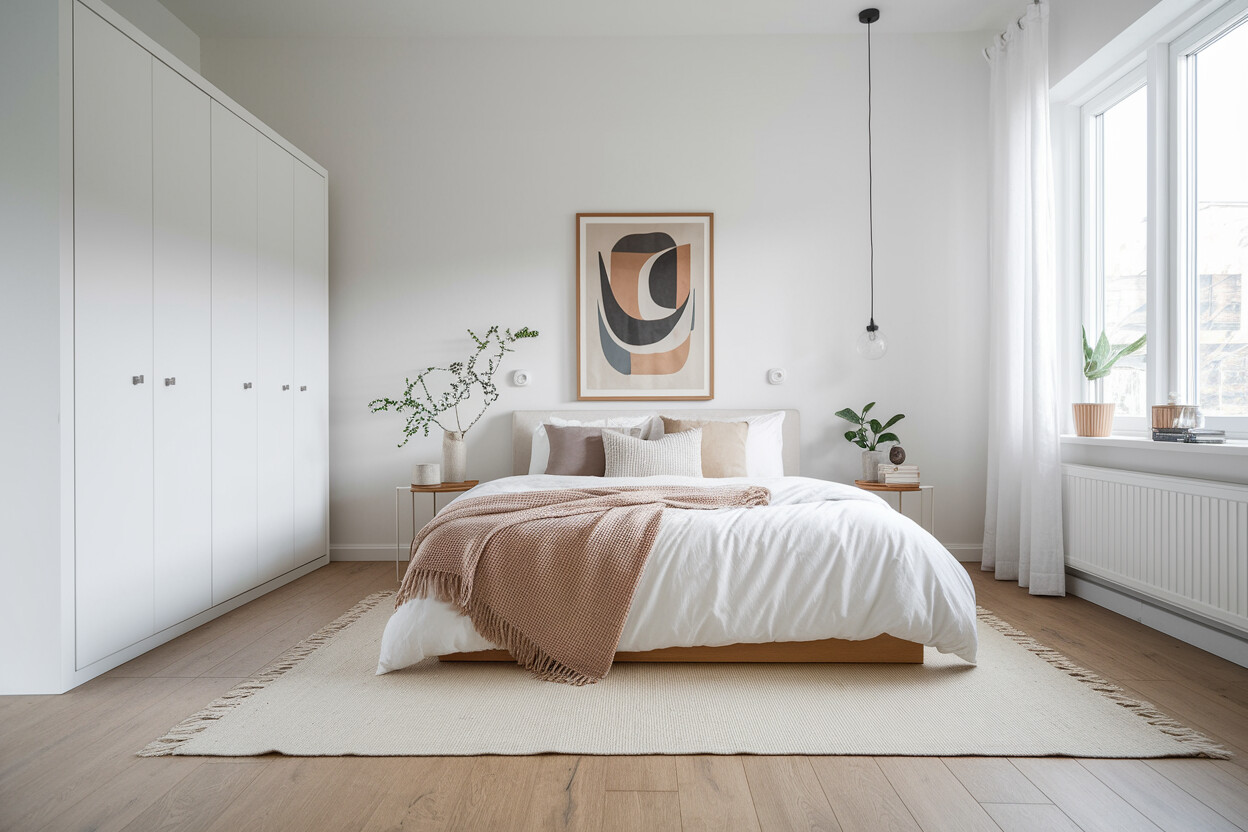
A Scandinavian bedroom with a white built-in handleless wardrobe that blends with white painted walls, lightwood flooring, glossy white wall sconces, and neutral textiles.
The Evolution: Scandi-Industrial and Japandi
Scandinavian design is evolving. It often merges with other styles.
Japandi is a popular hybrid. It mixes Scandinavian functionality with Japanese rustic minimalism. It focuses on darker woods and deeper textures.
Scandi-Industrial adds raw elements like exposed brick or metal pipes to the clean Nordic base. This creates a “loft” feel that is still cozy.
Frequently Asked Questions (FAQ)
Is Scandinavian design the same as minimalism?
They are related but different. Minimalism is about “less is more.” Scandinavian design is about “life is better with beauty and function.” It is often warmer and more lived-in than pure minimalism.
What kind of flooring is used in Scandinavian design?
Wall-to-wall carpeting is rare. Hardwood floors, often lightened with a white oil or gray stain, are the standard.
How do I make a Scandi room feel warm?
The secret is texture. Use sheepskin rugs, chunky knit blankets, and plenty of wood. These elements create visual and physical warmth.
Conclusion: Living the Nordic Way
Choosing a Scandinavian interior design style is a commitment to quality of life. It creates a sanctuary from the busy world. By focusing on light, nature, and utility, you can transform any space into a peaceful retreat.