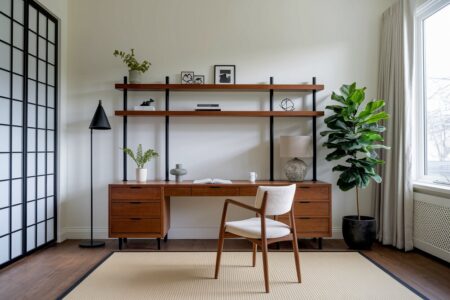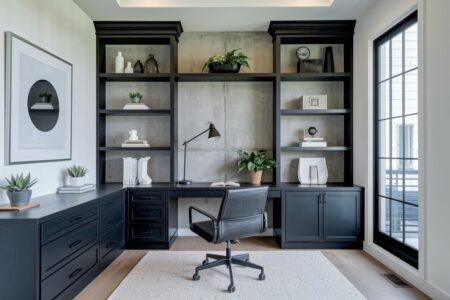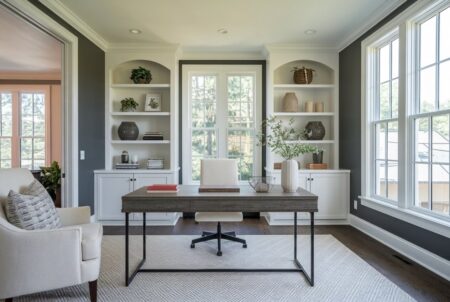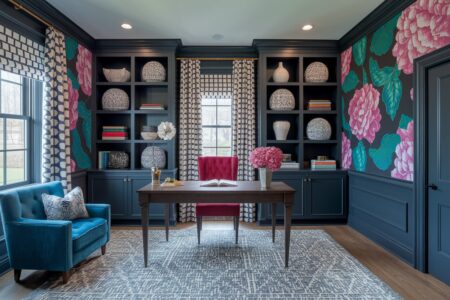
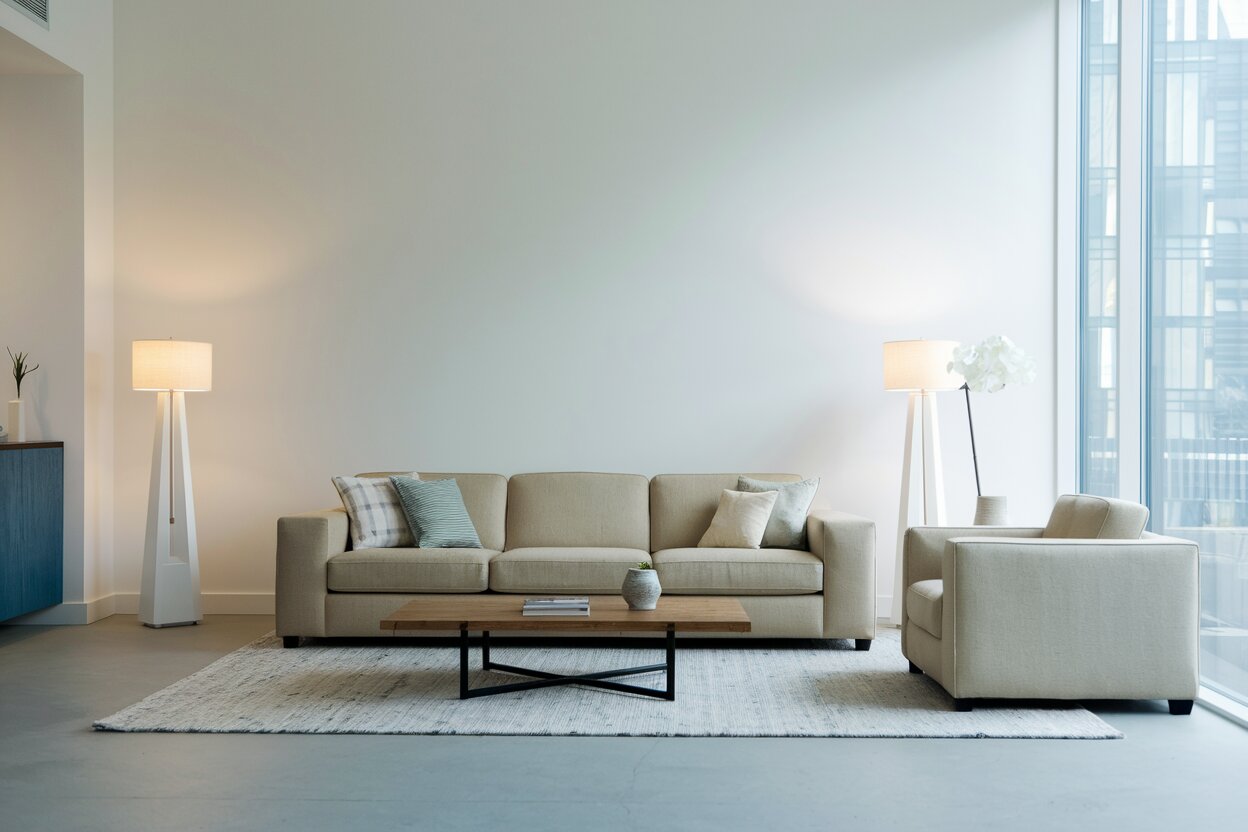
A minimalist living room isn’t about owning less for the sake of it. It’s about choosing furniture and decor with intention, so the room feels calm instead of crowded. Clean lines and a restrained palette help. So does a bit of empty space. Even a small living room can feel open when there’s room to breathe. Best of all, a pared-back space is simply easier to keep tidy.
This approach isn’t one fixed look, either. Minimalist living rooms can lean Scandinavian and airy, warm and Japandi-inspired, or sleek and modern, depending on the materials and tones you choose. Swap in natural wood and soft linen for warmth. Or stick to cooler grays and glass for something more streamlined. The minimalist style flexes to fit apartments and open-concept great rooms alike.
These minimalist living room ideas will help you edit your space down to what matters. Comfort stays. Clutter goes.
- 01 of 14
A Warm Neutral Palette
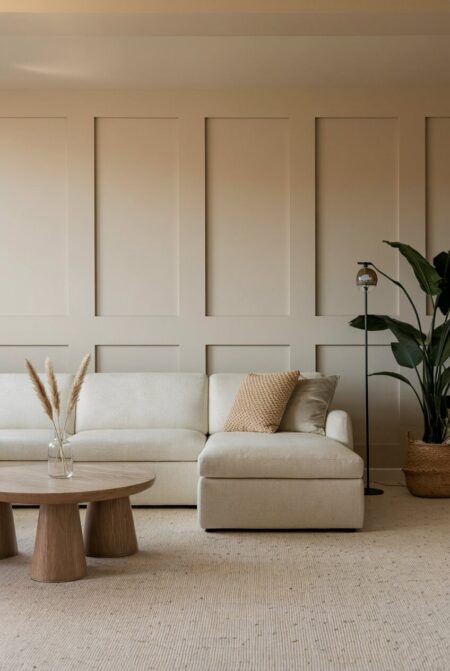
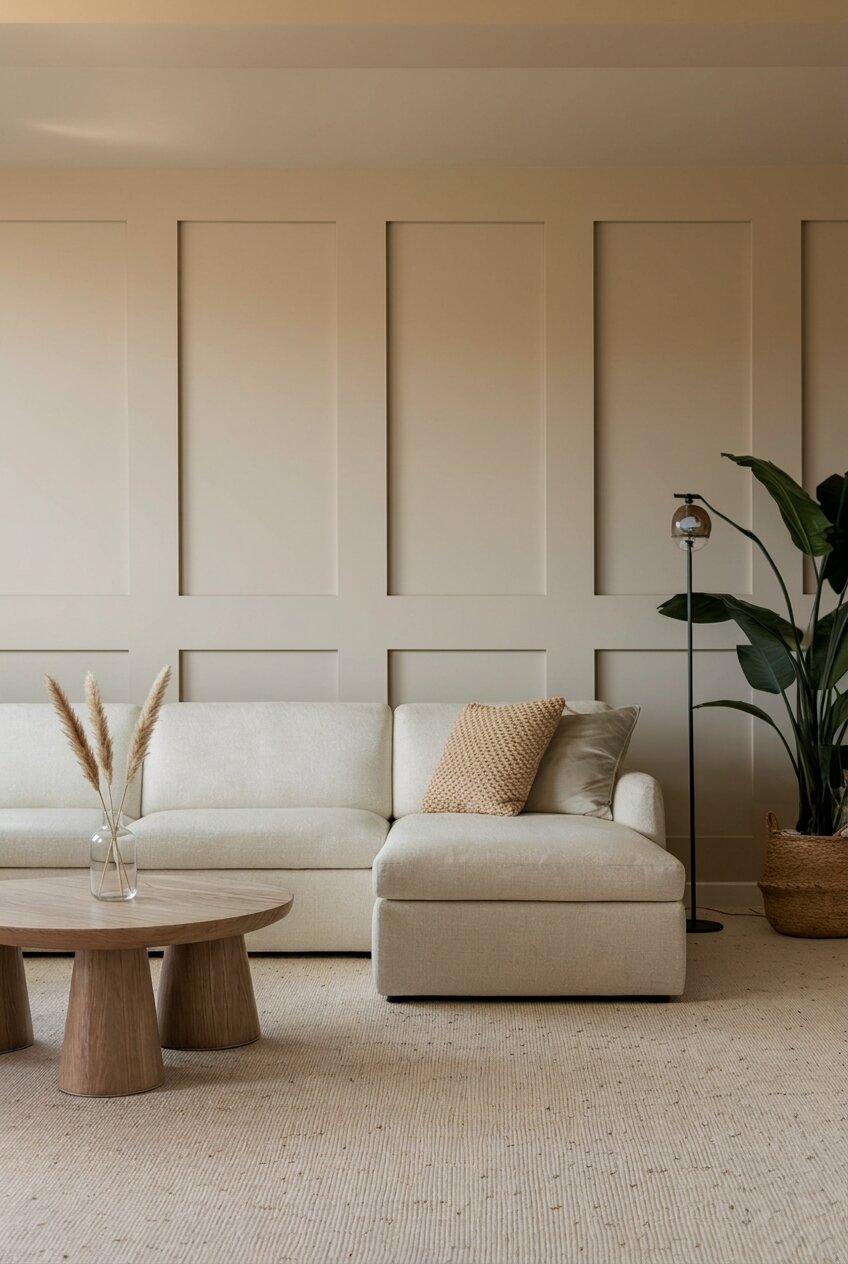
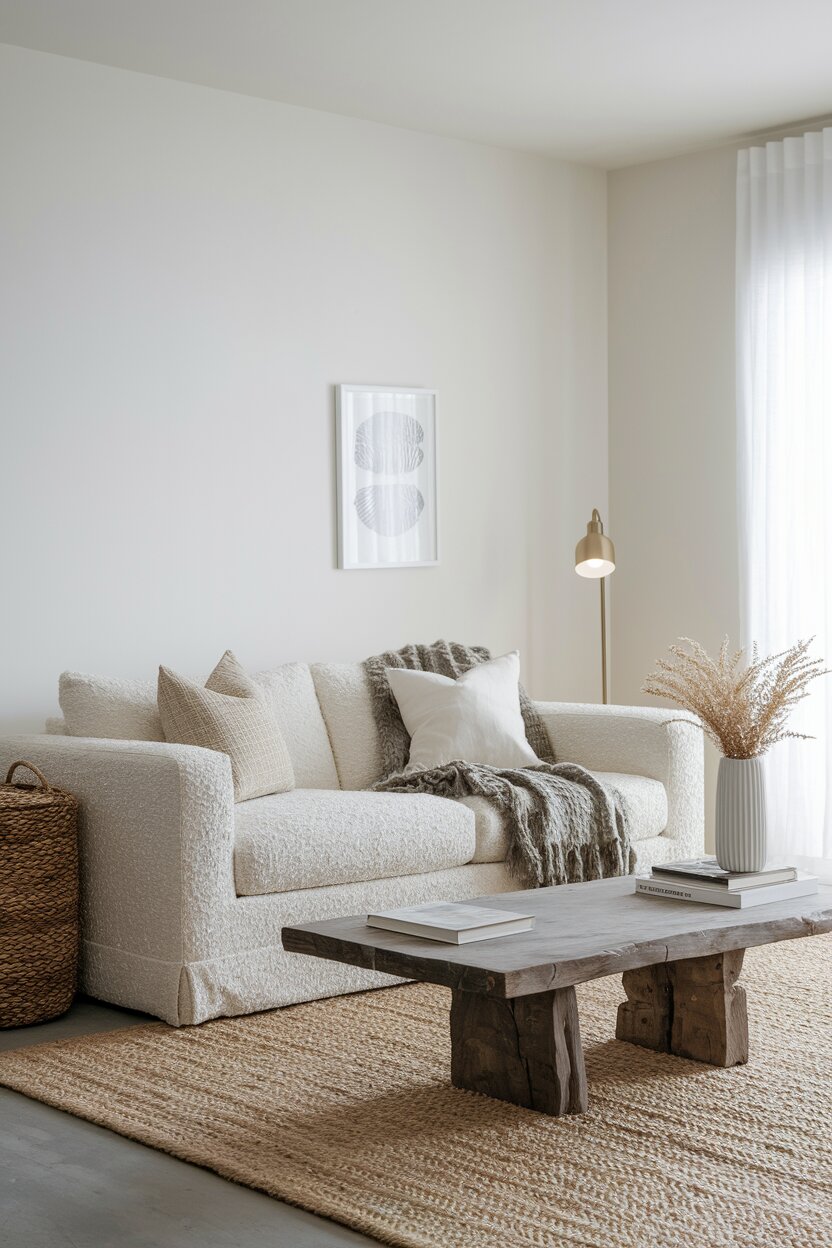
Skip stark white if it feels cold or clinical. A warm neutral palette, think greige, oatmeal, and soft taupe, gives a minimalist living room a lived-in feel without introducing pattern or clutter. Keep walls, upholstery, and trim within a few shades of each other. This creates a seamless backdrop. Furniture shapes and textures do the visual work instead of color.
RELATED: 17 Neutral Living Room Ideas to Perfect a Cozy Atmosphere
- 02 of 14
Furniture That Multitasks
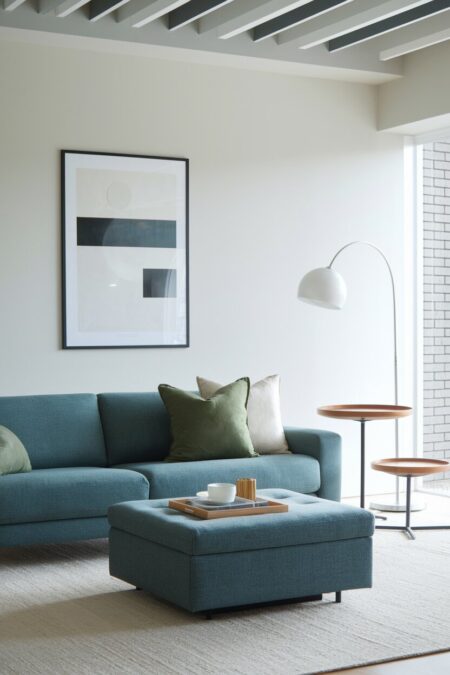
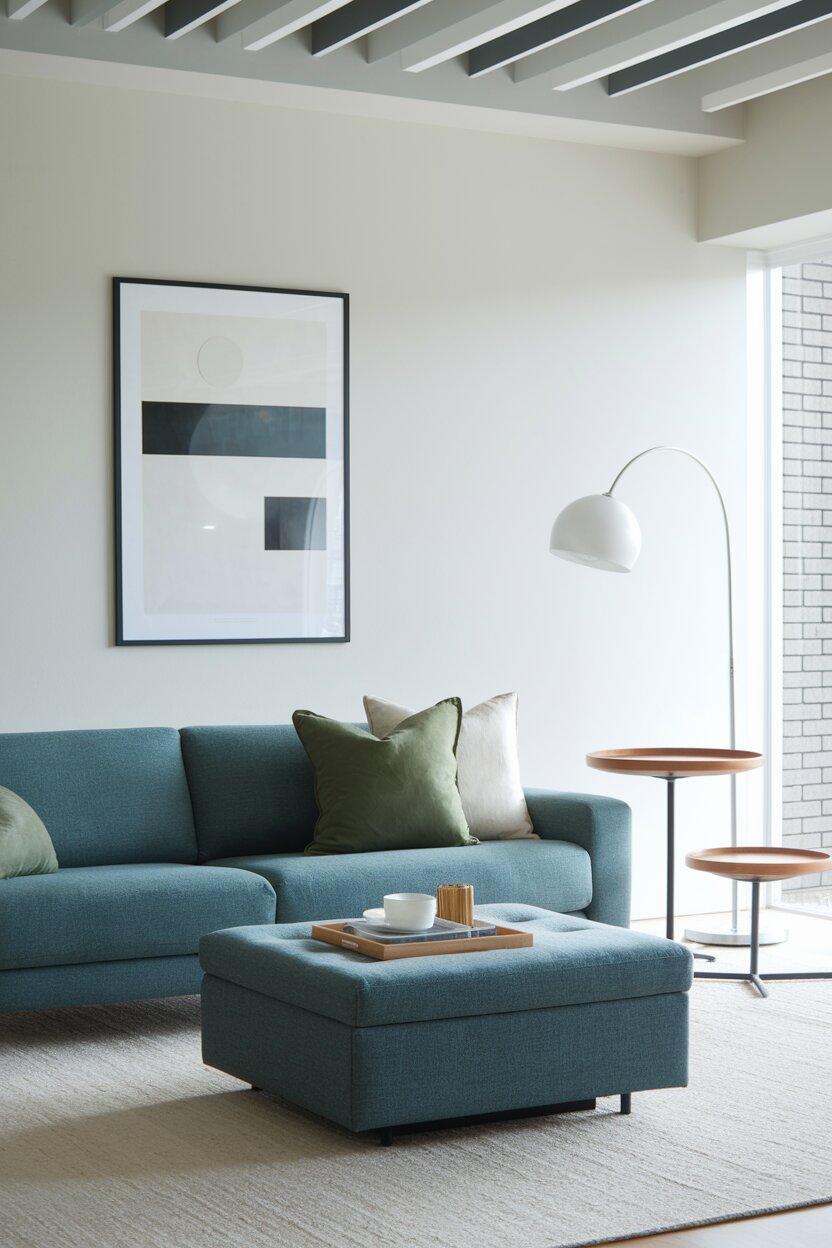
Every piece in a minimalist living room should justify its footprint. A storage ottoman can double as a coffee table and hide blankets at the same time. Nesting tables tuck away when you don’t need the extra surface. Fewer pieces, more function. That’s the trade that keeps a room feeling open rather than packed.
- 03 of 14
One Statement Piece
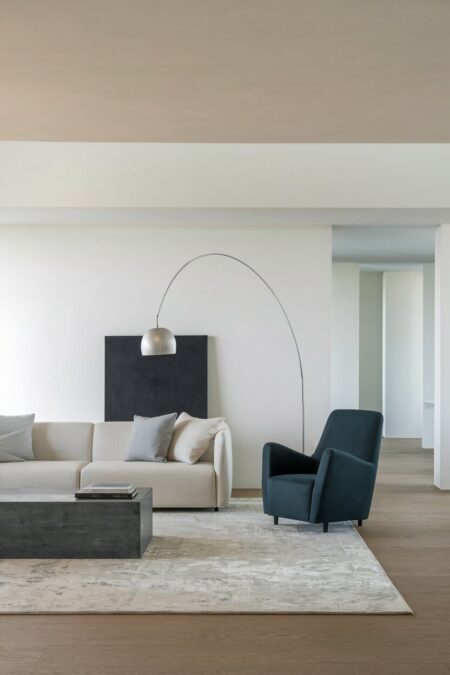
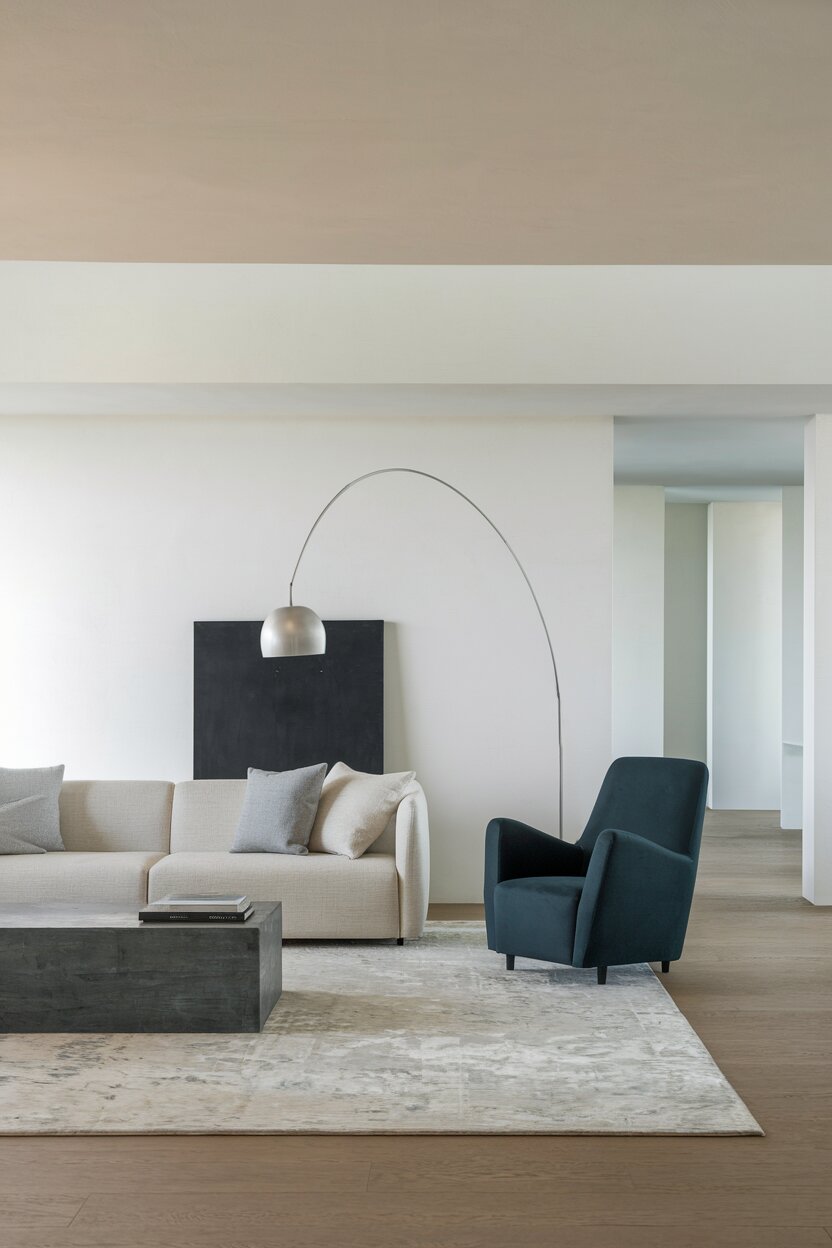
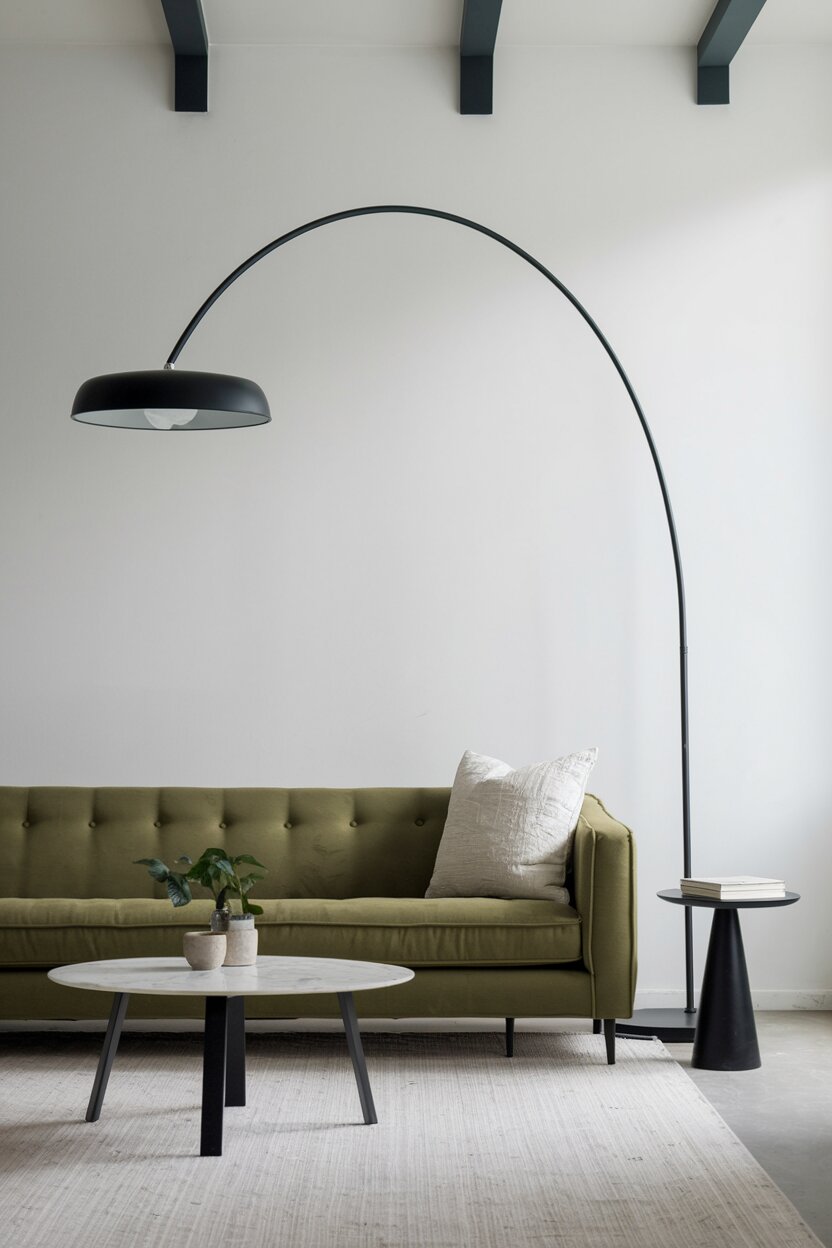
Instead of scattering a dozen small accents around the room, choose one piece that carries the visual weight. It could be a sculptural accent chair, an oversized piece of art, or an architectural floor lamp. Let everything else stay quiet around it. One confident choice reads as intentional. A dozen competing ones just read as busy.
- 04 of 14
Concealed Storage
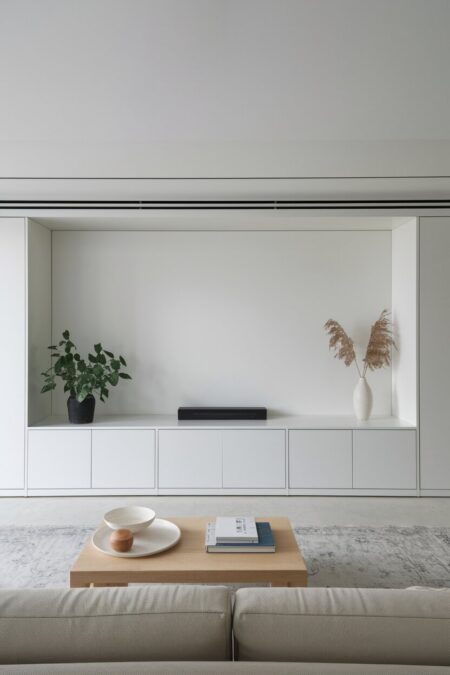
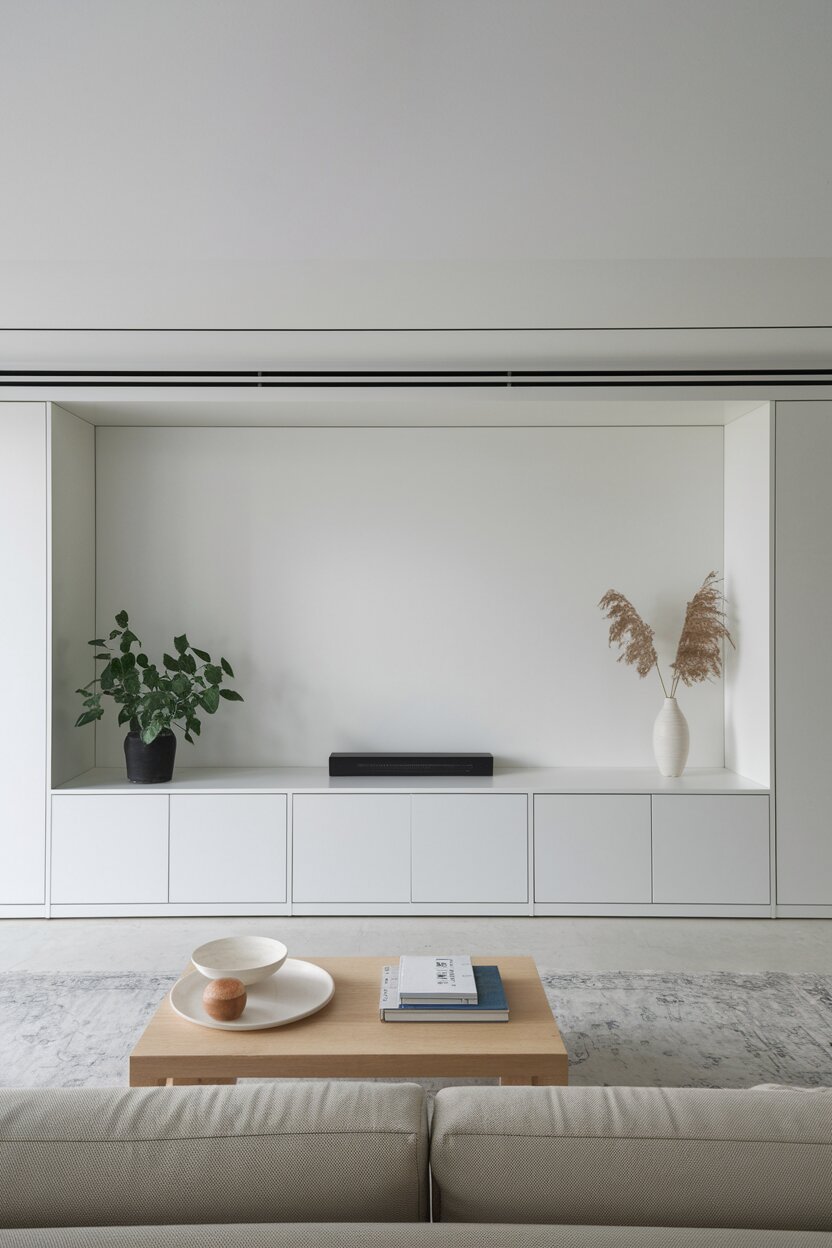
Clutter is the fastest way to undo a minimalist living room, so give it somewhere to disappear. Built-in cabinetry, a media console with closed doors, or a low credenza can hide remotes, cables, and games behind a clean front. You don’t need to own fewer things, necessarily. You just need the visible surfaces clear.
- 05 of 14
Low-Profile Furniture
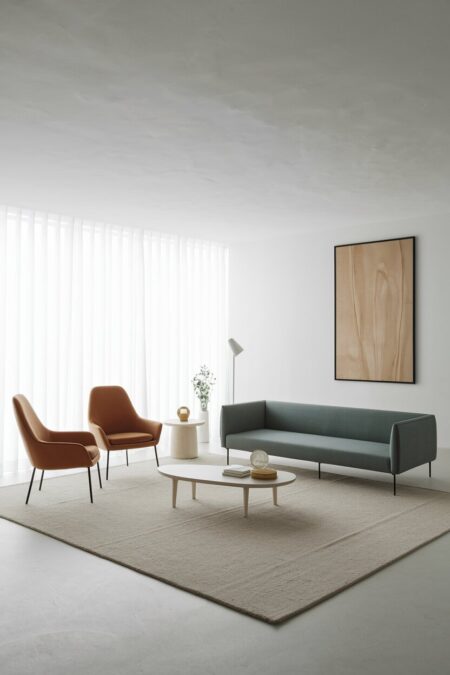
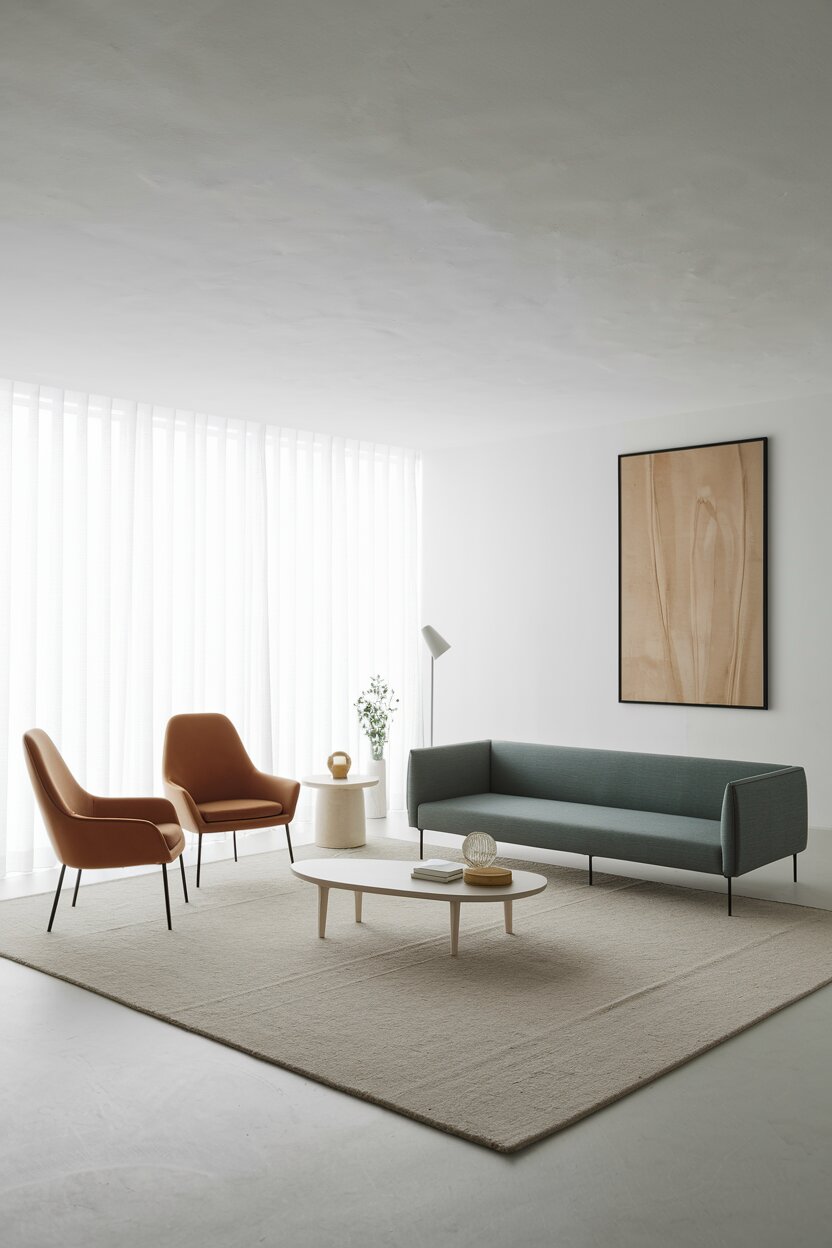
Sofas and chairs with slim legs and lower backs make a room feel larger than it is. You can see the floor beneath them, so the eye reads more open space, even in a modest living room. Pair low-profile seating with an equally low coffee table. The whole arrangement starts to feel light instead of heavy.
- 06 of 14
Let Natural Light Lead
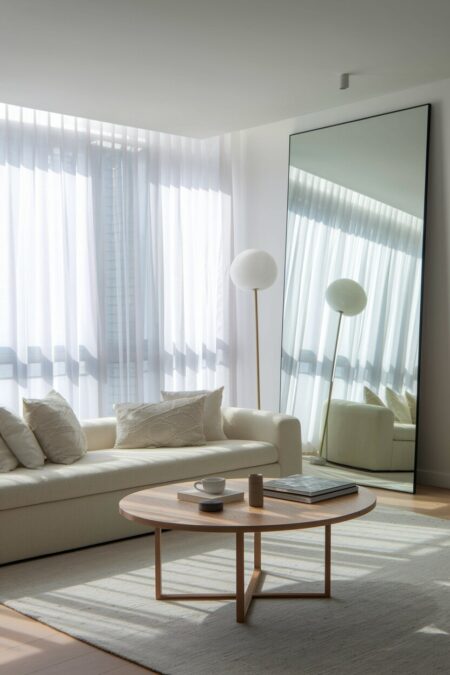
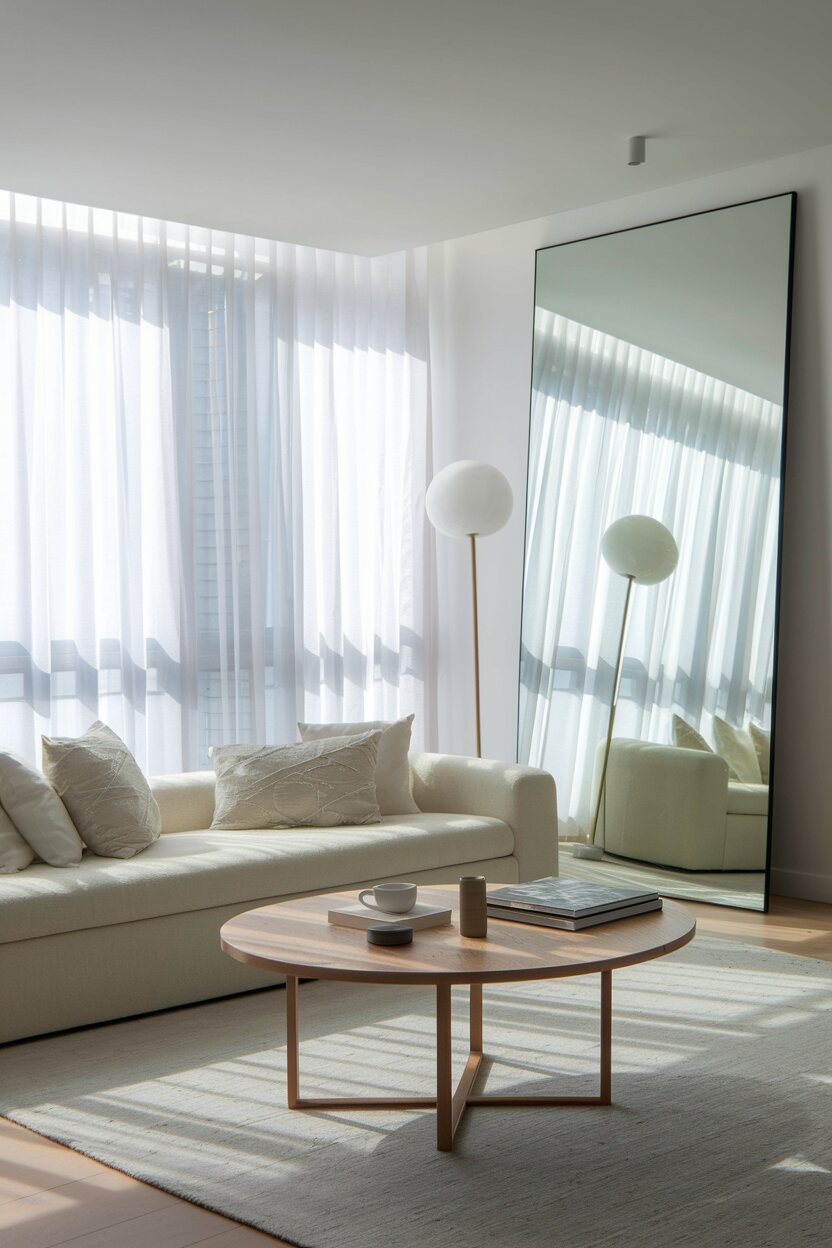
Heavy drapery blocks light and adds visual weight to a room that’s trying to feel open. Sheer panels, or no window treatments at all, let daylight move freely through the space. A well-placed mirror across from a window bounces that light even further. Bright rooms almost always read as more minimalist. It hardly matters what’s actually in them.
- 07 of 14
A Single, Well-Chosen Rug
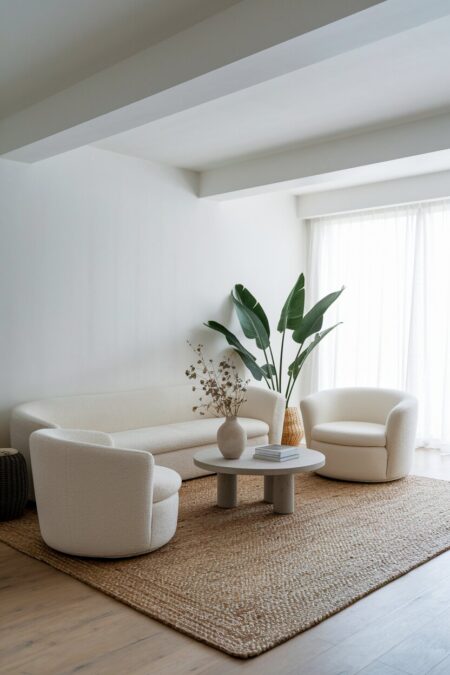
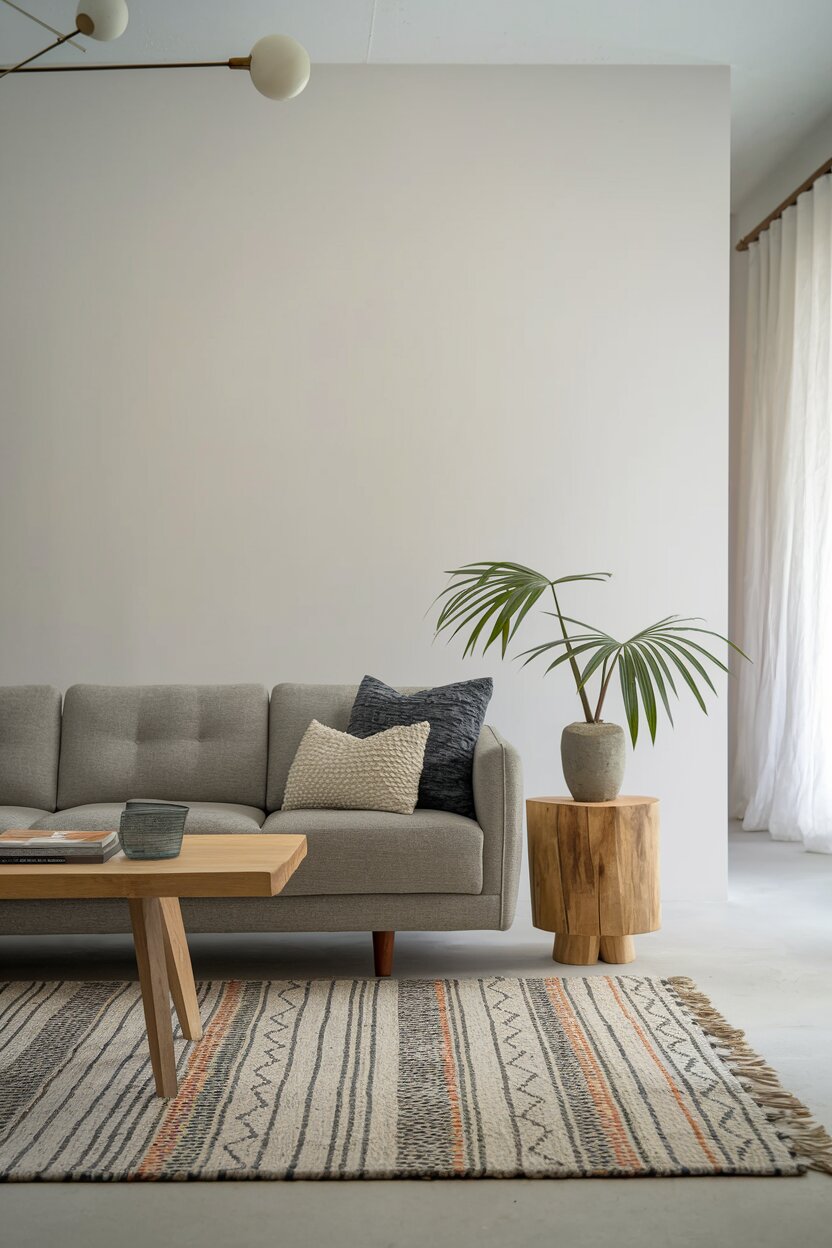
One rug in a quiet tone or subtle texture will ground a seating area far better than several layered, patterned ones. Wool, jute, and other natural fibers add texture without adding noise. Size it generously. The front legs of your furniture should rest on it, so the room reads as one cohesive space instead of scattered zones.
- 08 of 14
Embrace Negative Space
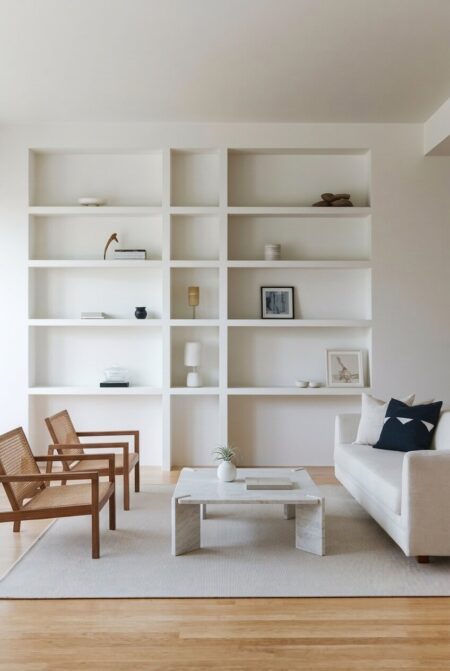
Not every wall needs art. Not every surface needs an object on it. Leaving deliberate empty space, around furniture, on shelves, along walls, gives the eye somewhere to rest. It also makes the pieces you do keep feel more considered. A little breathing room does more for a minimalist living room than another accent ever could.
- 09 of 14
Layer in Texture
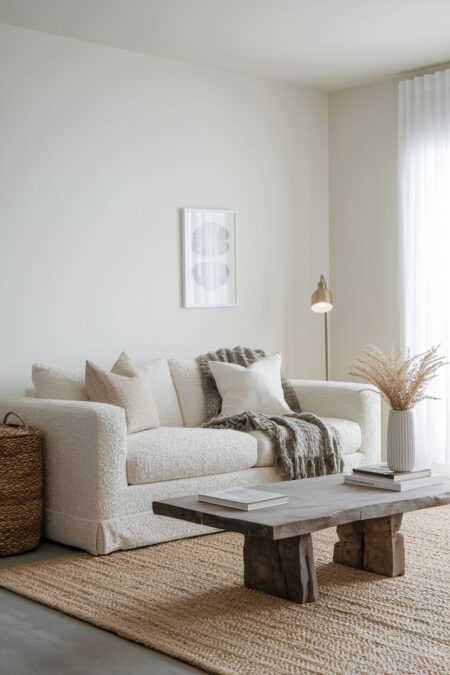
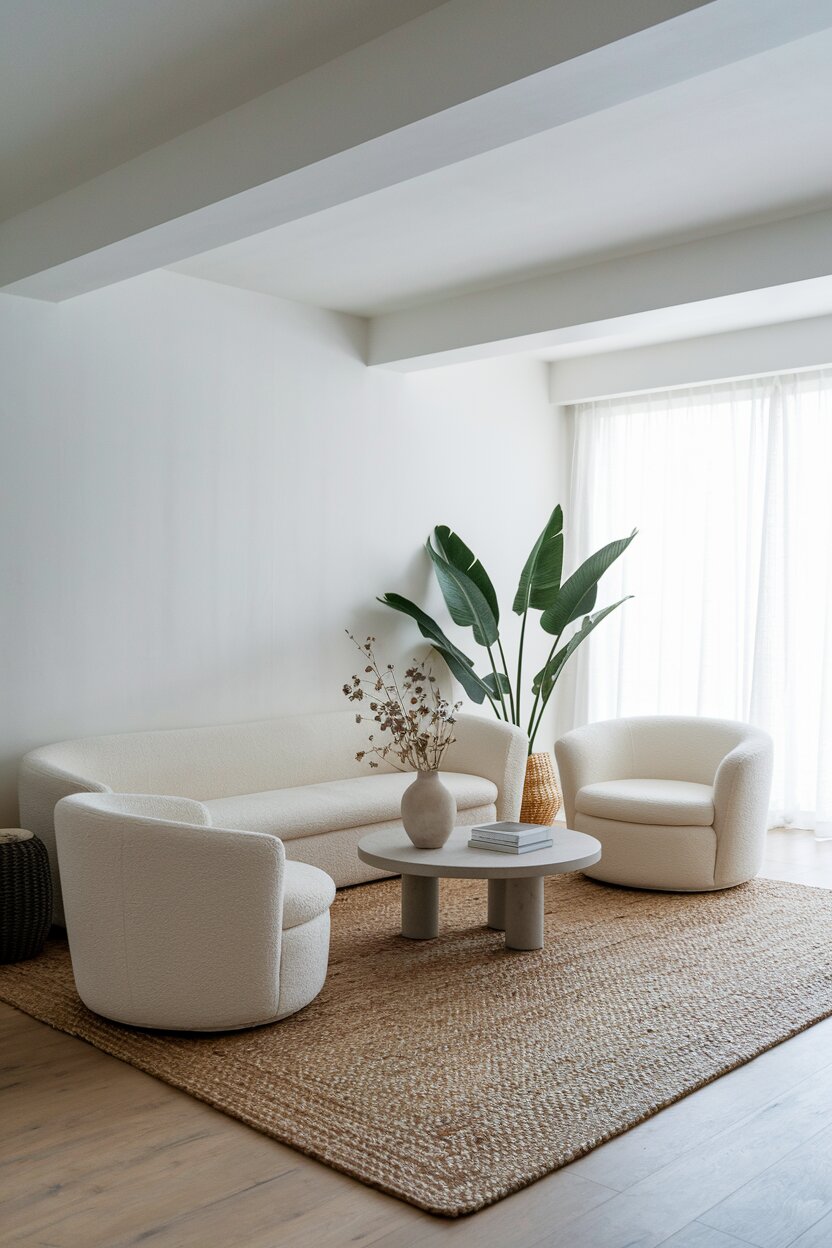
With color mostly off the table, texture becomes the tool that keeps a neutral room from feeling flat. Boucle upholstery, a raw-edge wood table, a woven jute basket, a nubby linen throw, all of it can sit in the same tonal family while still feeling distinct. Touch does the heavy lifting here, not color.
- 10 of 14
Sculptural Lighting
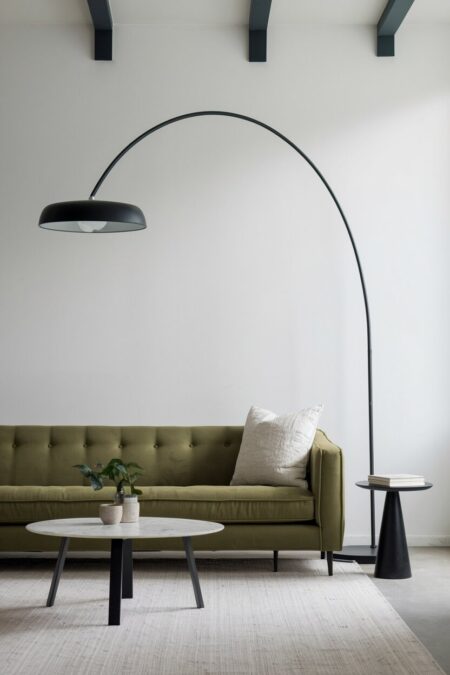
A single striking light fixture can act as both function and art in a minimalist living room. Think an arc floor lamp with a clean silhouette, or a pendant with an unusual shape. The fixture is doing double duty. Skip additional wall art or decor in that corner of the room entirely.
- 11 of 14
Curated, Not Crowded Shelving
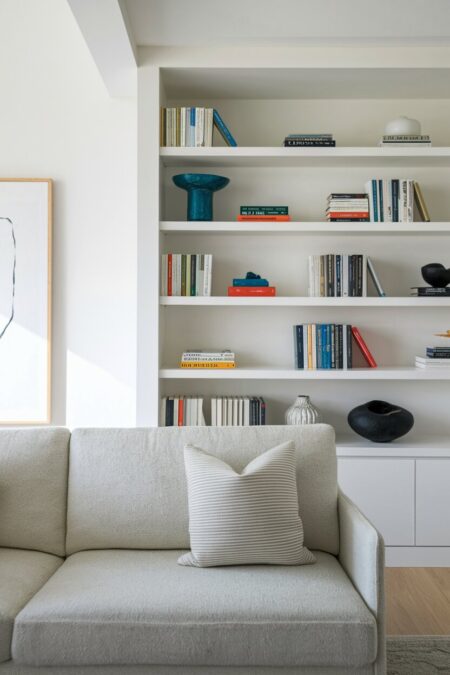
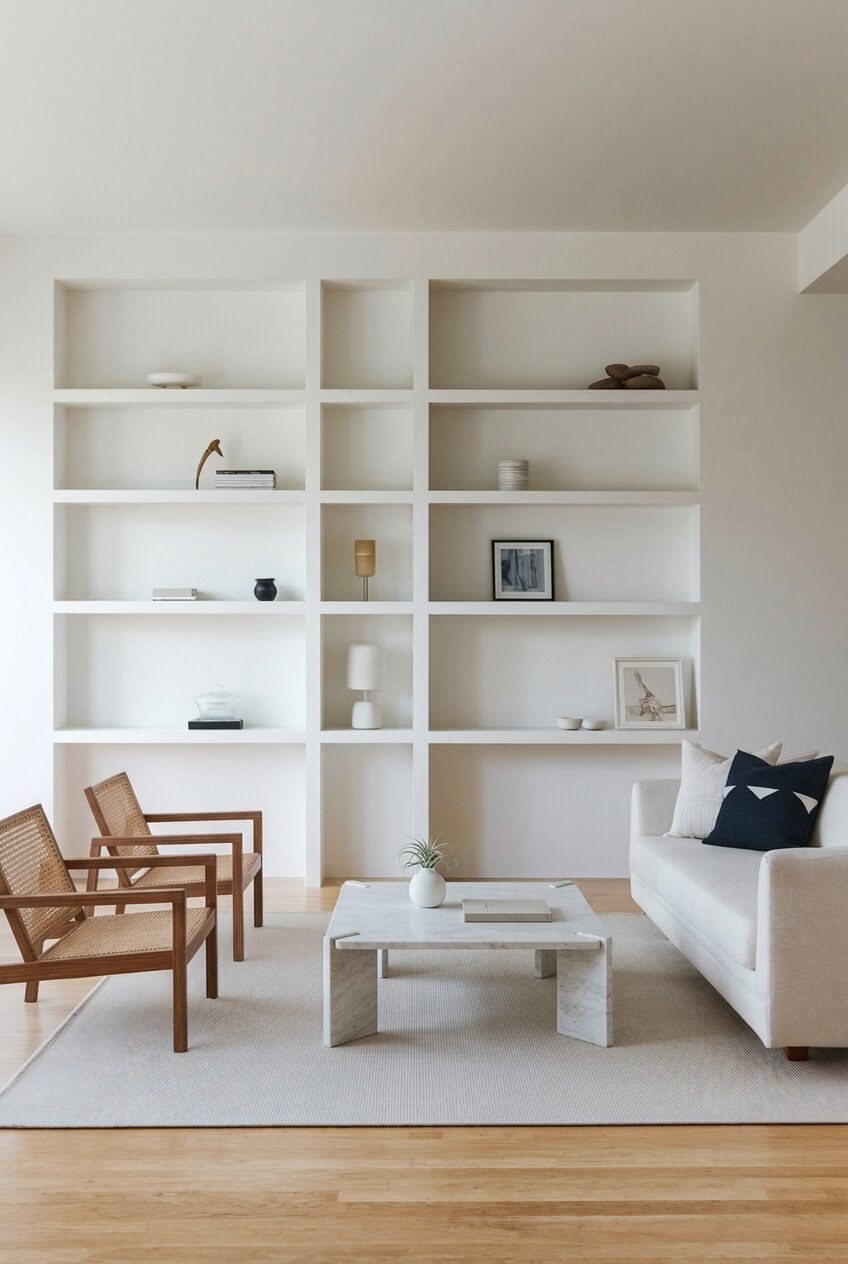
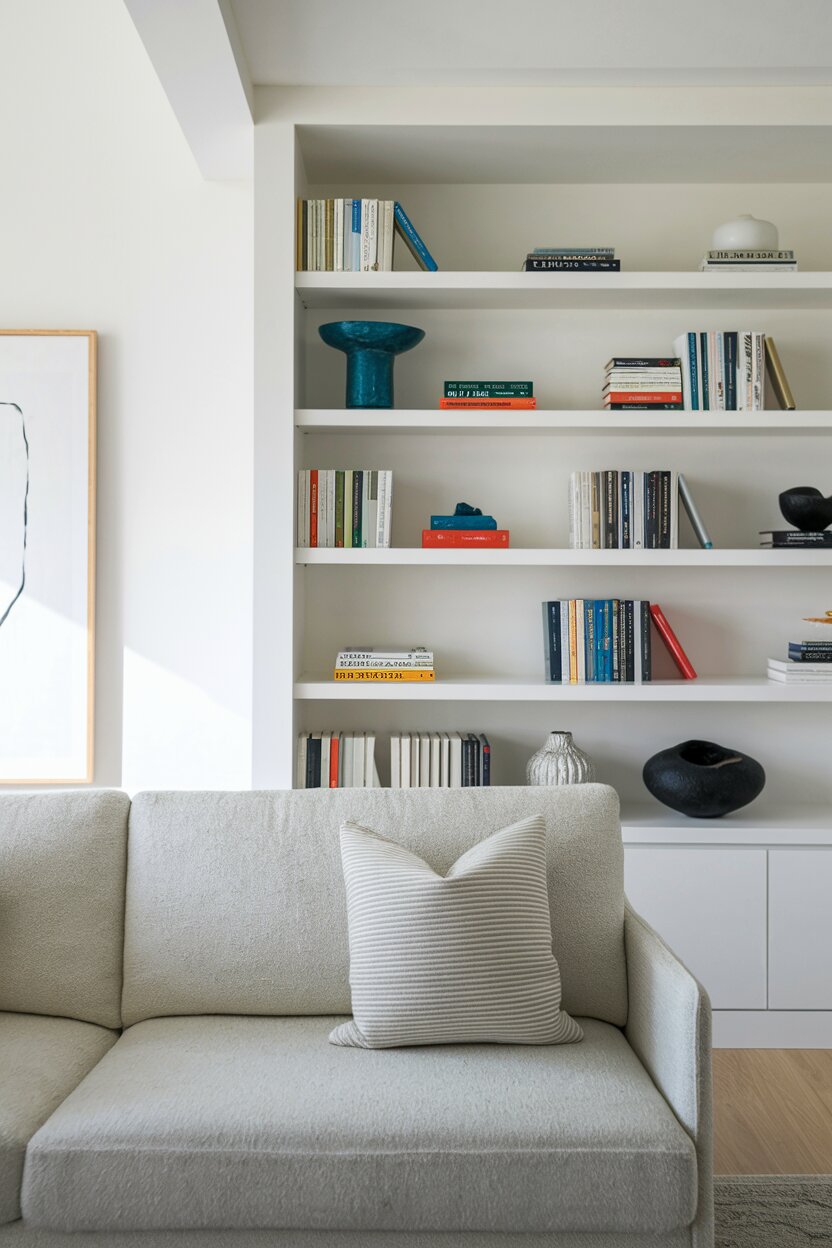
If your living room has open shelving or a bookcase, resist filling every inch of it. Group books by color or height. Leave gaps between small objects so each one stands out. A shelf with a little empty space feels edited. A shelf stuffed floor to ceiling just feels like more clutter, however tidy it is.
- 12 of 14
Bring in Wood and Stone
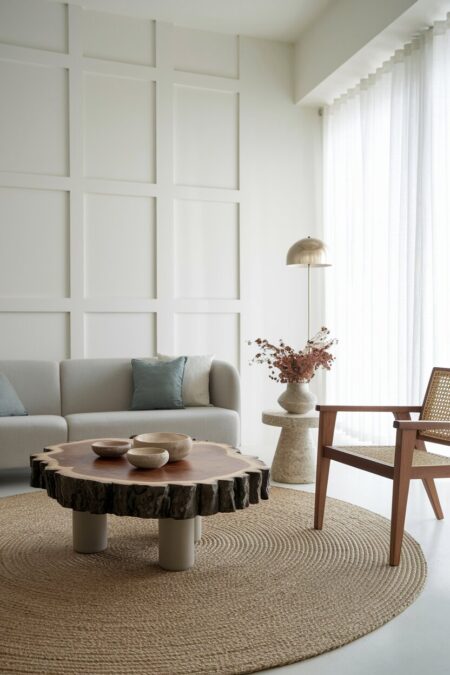
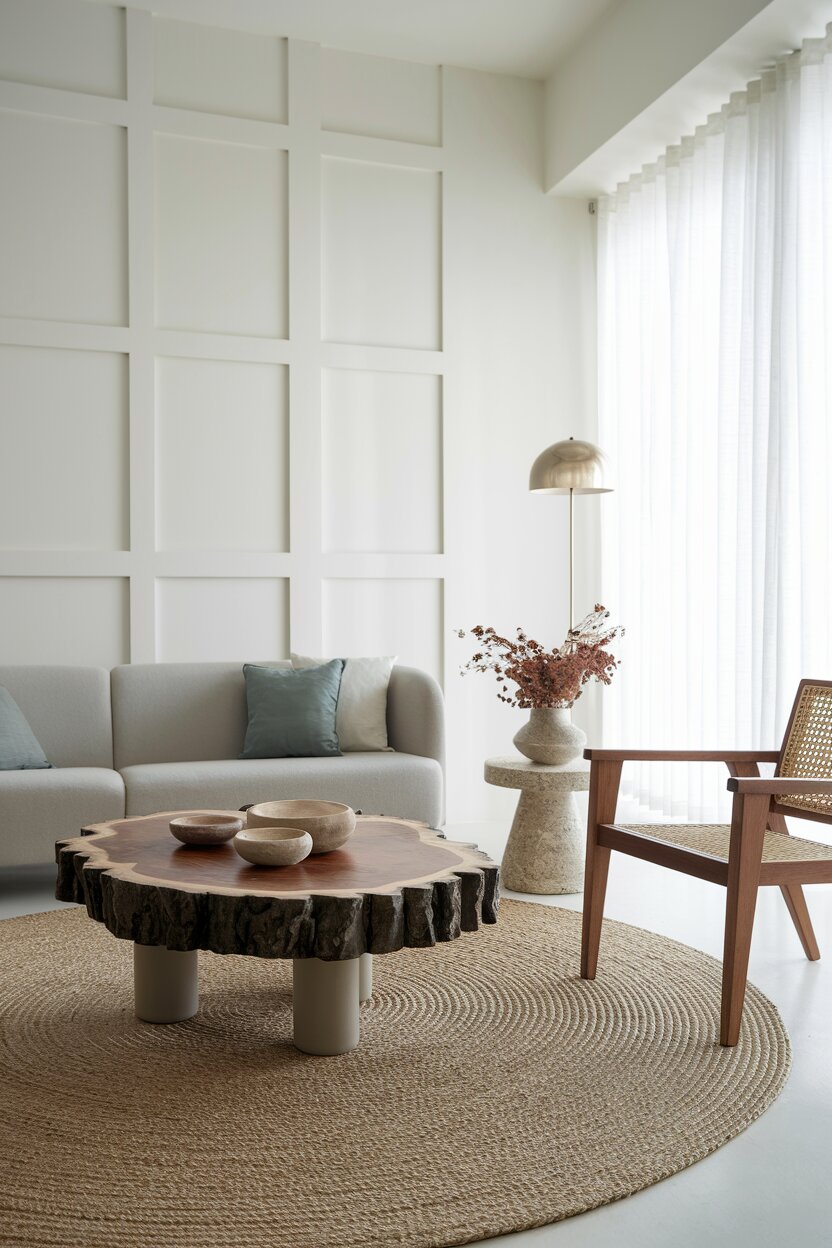
Natural materials keep a minimalist living room from feeling cold or sterile. A live-edge wood coffee table, a stone side table, or a rattan chair adds warmth and organic texture without introducing pattern or extra color. These materials age well, too. That fits neatly with the idea of buying fewer, longer-lasting pieces.
- 13 of 14
A Pared-Back Gallery Wall
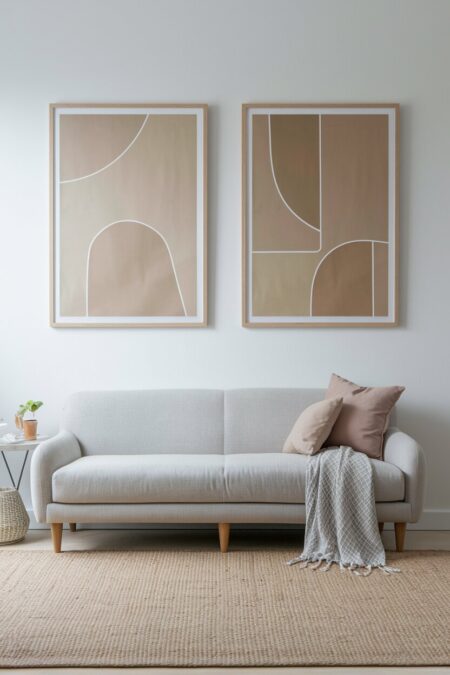
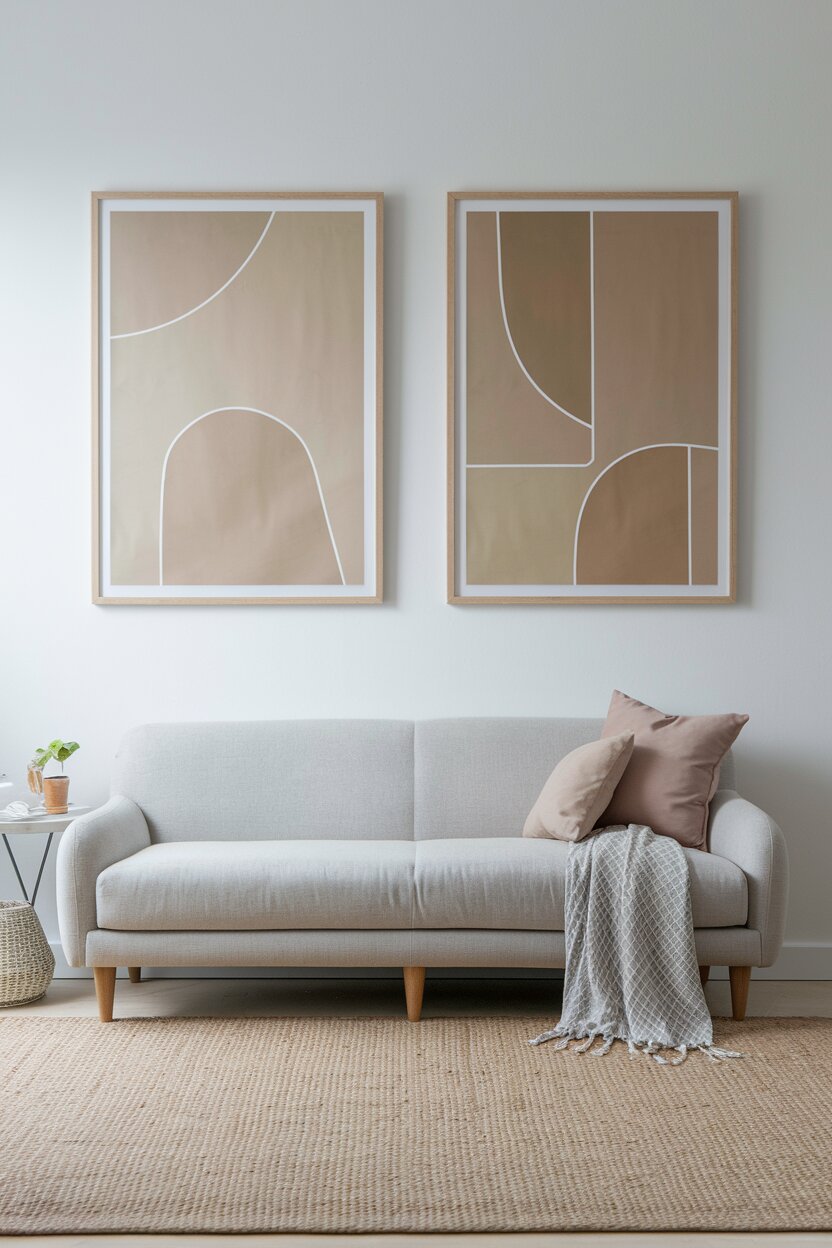
A traditional gallery wall can quickly feel busy, so scale it back. Two or three large-format frames in a matching finish, hung with generous space between them, deliver more impact than a dozen small ones crowded together. Choose a single subject or color story across the pieces. The wall should read as one gesture, not several.
- 14 of 14
Choose Quality Over Quantity
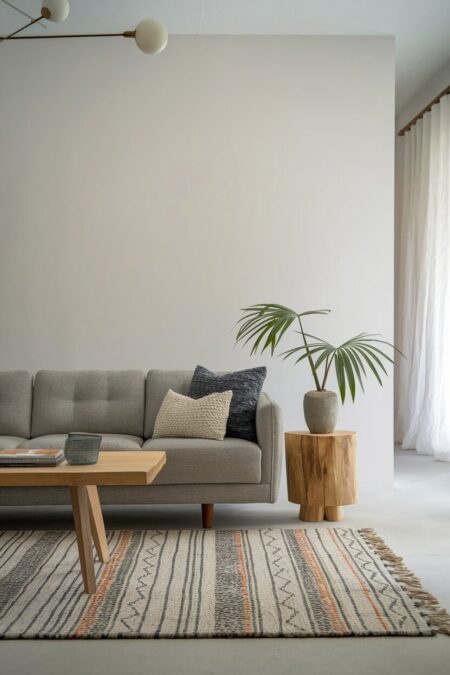
This is the idea that ties the rest together. A minimalist living room isn’t built by removing things at random. It’s built by keeping only the pieces worth keeping. A well-made sofa, a solid wood table, a rug that will actually hold up over time, these earn their place. Buy less, but buy better. The room will feel put together for years.